第19集:从并肩反殖到釜底抽薪:马共、新加坡左翼与人民行动党的统战博弈及“冷藏行动”真相(1954–1999)
Episode 19: From Anti-Colonial United Front to Political Betrayal: The CPM, the Singapore Left, the PAP, and the Truth of Operation Coldstore (1954–1999)
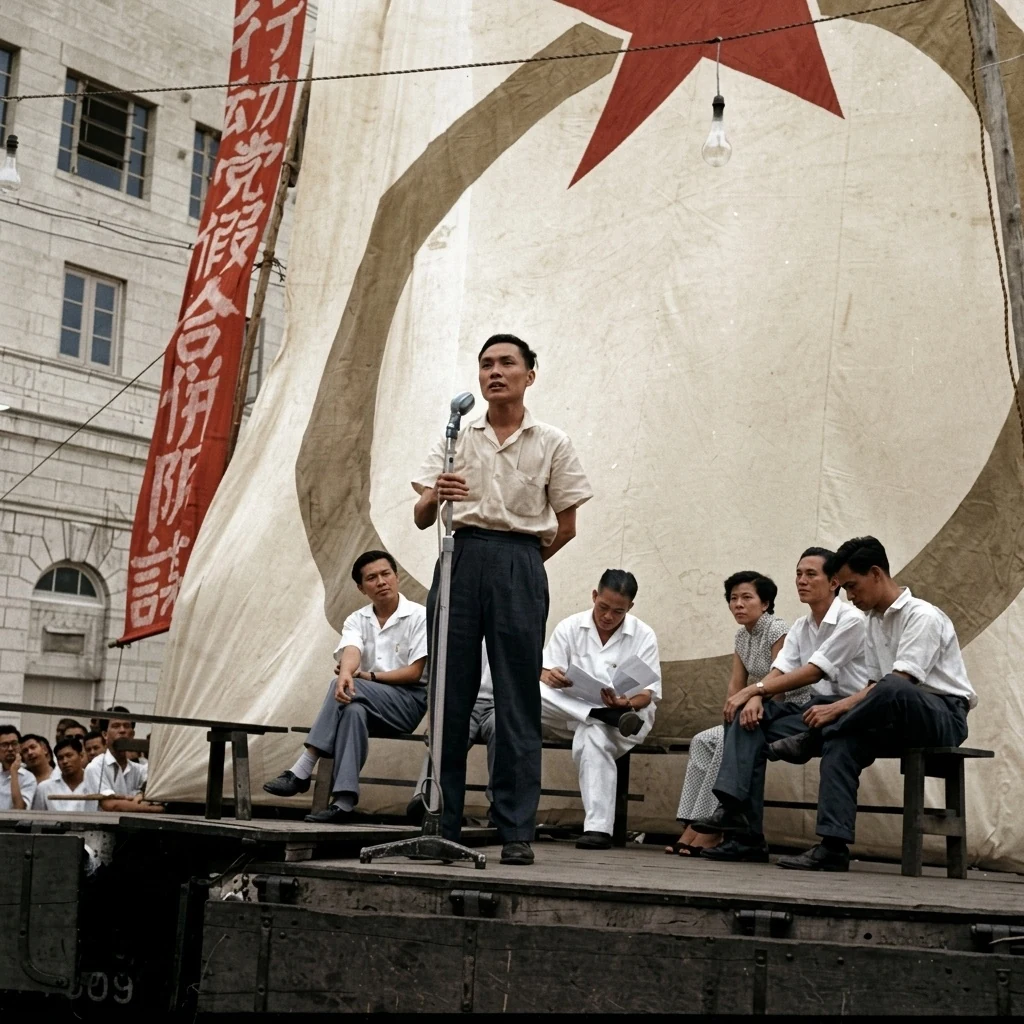
在反抗英国殖民统治与《紧急法令》的共同斗争中,马共地下组织与林清祥、方水双等左翼工运学运力量曾同李光耀等受英文教育的民族主义分子结成反殖统一战线,共同创立人民行动党,并在1959年通过排山倒海的基层总动员将行动党推上执政地位。然而,李光耀自始便怀揣借左翼群众力量登台、再借英马殖民安全机器铲除左翼盟友的“骑虎”算计:从1957年借林有福大逮捕夺取党权并实行封闭式干部制、1958年诱使方壮璧作出单向妥协、1959年组阁前向英马代表私下保证“控制林清祥”并对获释左翼领袖实施“调虎离山”及瓦解独立工会,直至1961年强推不平等合并条款迫使左翼成立社会主义阵线,并于1963年发动“冷藏行动”与“粉碎行动”,将百余名昔日并肩作战的反殖盟友投入黑牢数十年。本集依托英国国家档案馆解密卷宗、良心犯证言与1999年曼谷陈平同赛·扎哈利的世纪对话,完整还原这场从合作抗英到釜底抽薪的政治博弈真相。
In the common struggle against British colonial rule and the Emergency Regulations, the CPM underground and left-wing labor and student leaders led by Lim Chin Siong and Fong Swee Suan formed an anti-colonial united front with English-educated nationalists led by Lee Kuan Yew to co-found the PAP in 1954 and sweep it into power in 1959. Yet from the outset Lee Kuan Yew calculated how to 'ride the tiger' to office and then use the colonial security apparatus to eliminate his left-wing allies: seizing control of the PAP executive after the 1957 arrests, extracting unilateral concessions from Fong Chong Pik in 1958, privately assuring British and Malayan representatives in 1959 that he would 'rein in Lim Chin Siong' once in office while sidelining left-wing union leaders, pushing unequal merger terms in 1961, and launching Operations Coldstore and Pecah in 1963 to imprison over a hundred former anti-colonial allies for decades without trial.
第一章:共同敌人下的反殖统战与暗藏算计:马共及左翼基层力量同李光耀的初期合作(1954–1956)
Chapter 1: Anti-Colonial United Front Against a Common Enemy and Hidden Calculations: Early Cooperation Between the CPM, the Left, and Lee Kuan Yew (1954–1956)
1950年代初期的新加坡,英国殖民当局虽凭借《紧急状态条例》取缔了马来亚共产党及一切公开左翼政党,却无法扑灭深植于岛内工农大众与青年学子之中的反殖烈火。占新加坡人口逾70%的受华文教育劳工阶层与华校中学生,在马共地下组织及星洲抗英同盟的长期组织培育下,形成了由林清祥、方水双、蒂凡那、P·V·沙尔玛、詹姆斯·普图遮里等人领衔的庞大基层工运与学运网络。然而,在殖民当局严酷的政治封锁下,左翼群众力量亟需一个合法的宪制政党平台以开展公开反殖斗争;与此同时,以李光耀、杜进才、吴庆瑞等人为代表的受英文教育职业精英虽拥有合法参政身份与英国宪政沟通渠道,却完全没有基层工会支点,更与广大华语劳工群众隔绝。通过1952年邮电制服雇员罢工案,以及1954年马来亚大学社会主义俱乐部《火炬报》煽动案与“五一三”华校中学生请愿案的法律辩护,左翼力量与李光耀圈子在面对“英国殖民统治”这一共同敌人的进程中建立起合作联系。
1954年“五一三”学运后,李光耀主动通过曾任星洲抗英同盟英语支部骨干的印裔领袖P·V·沙尔玛与蒂凡那向马共地下组织传递合作意向,希望借助马共领导的工农学子力量共同组建新政党。马共星洲学生工作委员会负责人张坚(原名黄明强)经审慎研究后,决定贯彻反殖统一战线方针,指派在华校学运中直接同法律顾问李光耀联络打交道的抗盟骨干、著名学运负责人之一蔡石君,出面安排年仅21岁的工运领袖林清祥、方水双以及曾超卓等人同李光耀会面,于1954年11月21日在维多利亚纪念堂联合创立人民行动党。从1955年首次立法议会大选并肩夺席,到1956年4月至5月林清祥与李光耀共同赴伦敦出席首届宪制会议争取自治权,左翼力量用实实在在的基层动员撑起了人民行动党的半壁江山。正如李光耀本人在1961年9月18日电台讲话中所承认的,双方之所以结成统一战线,是因为“认定英国人是共同的敌人”。
然而,在这场表面并肩反殖的统一战线背后,李光耀自始便怀揣着“借左翼之力登台、借英马之刀除左”的双重政治算计。在公开集会上,李光耀将22岁的林清祥高调赞誉为“毫无疑问,新加坡最出色的华语演说家”乃至“未来的总理”,以此换取美芝路各大工会与华校青年学子为其冲锋陷阵;但在背地里,李光耀却时刻算计着如何在利用完马共与左翼的基层动员能量后,借殖民当局与马来亚联合邦的镇压机器铲除同盟者。英国《观察家报》常驻远东资深记者丹尼斯·布拉德沃思在其1986年出版的专著《猛虎与特洛伊木马》中,便以“骑虎登台”精准概括了李光耀靠马共与左翼力量起家的历史事实。
In early-1950s Singapore, although the British colonial authorities had outlawed the Communist Party of Malaya (CPM) under the Emergency Regulations, the Chinese-speaking working class and students, comprising over 70 percent of the population, had been organized by the CPM underground and the Anti-British League into a formidable grassroots labor and student movement led by Lim Chin Siong, Fong Swee Suan, C. V. Devan Nair, P. V. Sarma, and James Puthucheary. While the left-wing mass movement needed a legal constitutional party platform to challenge colonial rule openly, English-educated professionals around Lee Kuan Yew, Toh Chin Chye, and Goh Keng Swee possessed legal standing but lacked any trade union or mass base. Through the 1952 Postal and Telecommunications strike and the 1954 Fajar and May 13 student trials, the two sides established contact in confronting their common enemy: British colonial rule.
Following the May 13, 1954 student movement, Lee Kuan Yew approached former ABL English Branch leaders P. V. Sarma and Devan Nair to seek cooperation with the CPM in forming a new party. CPM Singapore Student Committee head Zhang Jian (Huang Ming Qiang) decided to implement the anti-colonial united-front policy, assigning Anti-British League stalwart and prominent student movement leader Cai Shijun, who had worked directly with legal adviser Lee Kuan Yew during the student movement, to introduce 21-year-old labor leaders Lim Chin Siong, Fong Swee Suan, and Chan Chiaw Thor to Lee. On November 21, 1954, the People's Action Party (PAP) was jointly founded at Victoria Memorial Hall. From the April 1955 Legislative Assembly election to the April–May 1956 First Constitutional Conference in London, the Left's grassroots mobilization formed the backbone of the PAP's rise.
Yet beneath the surface of anti-colonial cooperation, Lee Kuan Yew harbored a dual calculation from the beginning: riding the Left's mass base into power while relying on the British and Malayan security apparatus to eliminate his left-wing allies. While publicly hailing 22-year-old Lim Chin Siong as 'without doubt, the best Chinese-speaking orator in Singapore' and a future Prime Minister to win the backing of the Middle Road unions and Chinese school students, Lee privately calculated how to neutralize his allies once they had propelled him to office. Veteran British Far East correspondent Dennis Bloodworth summarized this historical reality in his 1986 study The Tiger and the Trojan Horse.
1950年代初期的新加坡,英国殖民当局虽凭借《紧急状态条例》取缔了马来亚共产党及一切公开左翼政党,却无法扑灭深植于岛内工农大众与青年学子之中的反殖烈火。占新加坡人口逾70%的受华文教育劳工阶层与华校中学生,在马共地下组织及星洲抗英同盟的长期组织培育下,形成了由林清祥、方水双、蒂凡那、P·V·沙尔玛、詹姆斯·普图遮里等人领衔的庞大基层工运与学运网络。然而,在殖民当局严酷的政治封锁下,左翼群众力量亟需一个合法的宪制政党平台以开展公开反殖斗争;与此同时,以李光耀、杜进才、吴庆瑞等人为代表的受英文教育职业精英虽拥有合法参政身份与英国宪政沟通渠道,却完全没有基层工会支点,更与广大华语劳工群众隔绝。通过1952年邮电制服雇员罢工案,以及1954年马来亚大学社会主义俱乐部《火炬报》煽动案与“五一三”华校中学生请愿案的法律辩护,左翼力量与李光耀圈子在面对“英国殖民统治”这一共同敌人的进程中建立起合作联系。
1954年“五一三”学运后,李光耀主动通过曾任星洲抗英同盟英语支部骨干的印裔领袖P·V·沙尔玛与蒂凡那向马共地下组织传递合作意向,希望借助马共领导的工农学子力量共同组建新政党。马共星洲学生工作委员会负责人张坚(原名黄明强)经审慎研究后,决定贯彻反殖统一战线方针,指派在华校学运中直接同法律顾问李光耀联络打交道的抗盟骨干、著名学运负责人之一蔡石君,出面安排年仅21岁的工运领袖林清祥、方水双以及曾超卓等人同李光耀会面,于1954年11月21日在维多利亚纪念堂联合创立人民行动党。从1955年首次立法议会大选并肩夺席,到1956年4月至5月林清祥与李光耀共同赴伦敦出席首届宪制会议争取自治权,左翼力量用实实在在的基层动员撑起了人民行动党的半壁江山。正如李光耀本人在1961年9月18日电台讲话中所承认的,双方之所以结成统一战线,是因为“认定英国人是共同的敌人”。
In early-1950s Singapore, although the British colonial authorities had outlawed the Communist Party of Malaya (CPM) under the Emergency Regulations, the Chinese-speaking working class and students, comprising over 70 percent of the population, had been organized by the CPM underground and the Anti-British League into a formidable grassroots labor and student movement led by Lim Chin Siong, Fong Swee Suan, C. V. Devan Nair, P. V. Sarma, and James Puthucheary. While the left-wing mass movement needed a legal constitutional party platform to challenge colonial rule openly, English-educated professionals around Lee Kuan Yew, Toh Chin Chye, and Goh Keng Swee possessed legal standing but lacked any trade union or mass base. Through the 1952 Postal and Telecommunications strike and the 1954 Fajar and May 13 student trials, the two sides established contact in confronting their common enemy: British colonial rule.
Following the May 13, 1954 student movement, Lee Kuan Yew approached former ABL English Branch leaders P. V. Sarma and Devan Nair to seek cooperation with the CPM in forming a new party. CPM Singapore Student Committee head Zhang Jian (Huang Ming Qiang) decided to implement the anti-colonial united-front policy, assigning Anti-British League stalwart and prominent student movement leader Cai Shijun, who had worked directly with legal adviser Lee Kuan Yew during the student movement, to introduce 21-year-old labor leaders Lim Chin Siong, Fong Swee Suan, and Chan Chiaw Thor to Lee. On November 21, 1954, the People's Action Party (PAP) was jointly founded at Victoria Memorial Hall. From the April 1955 Legislative Assembly election to the April–May 1956 First Constitutional Conference in London, the Left's grassroots mobilization formed the backbone of the PAP's rise.
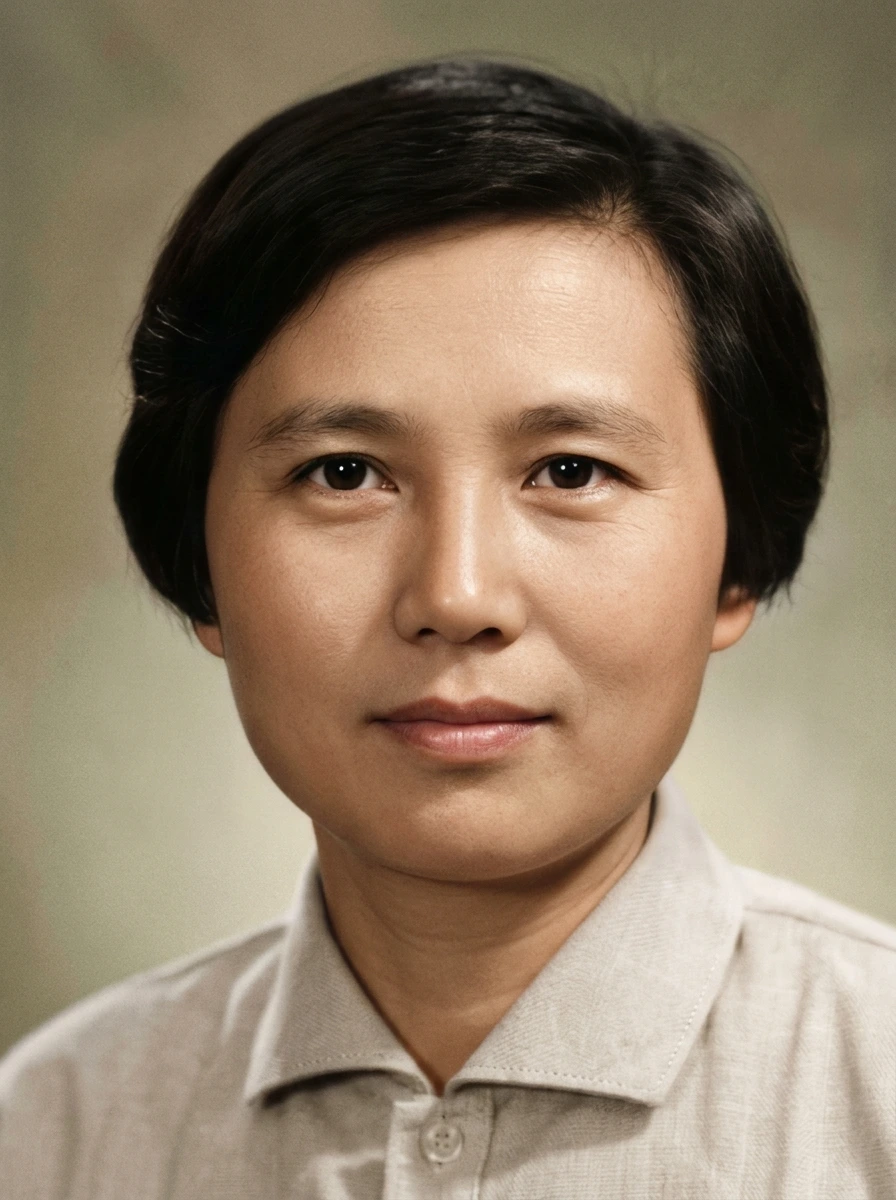
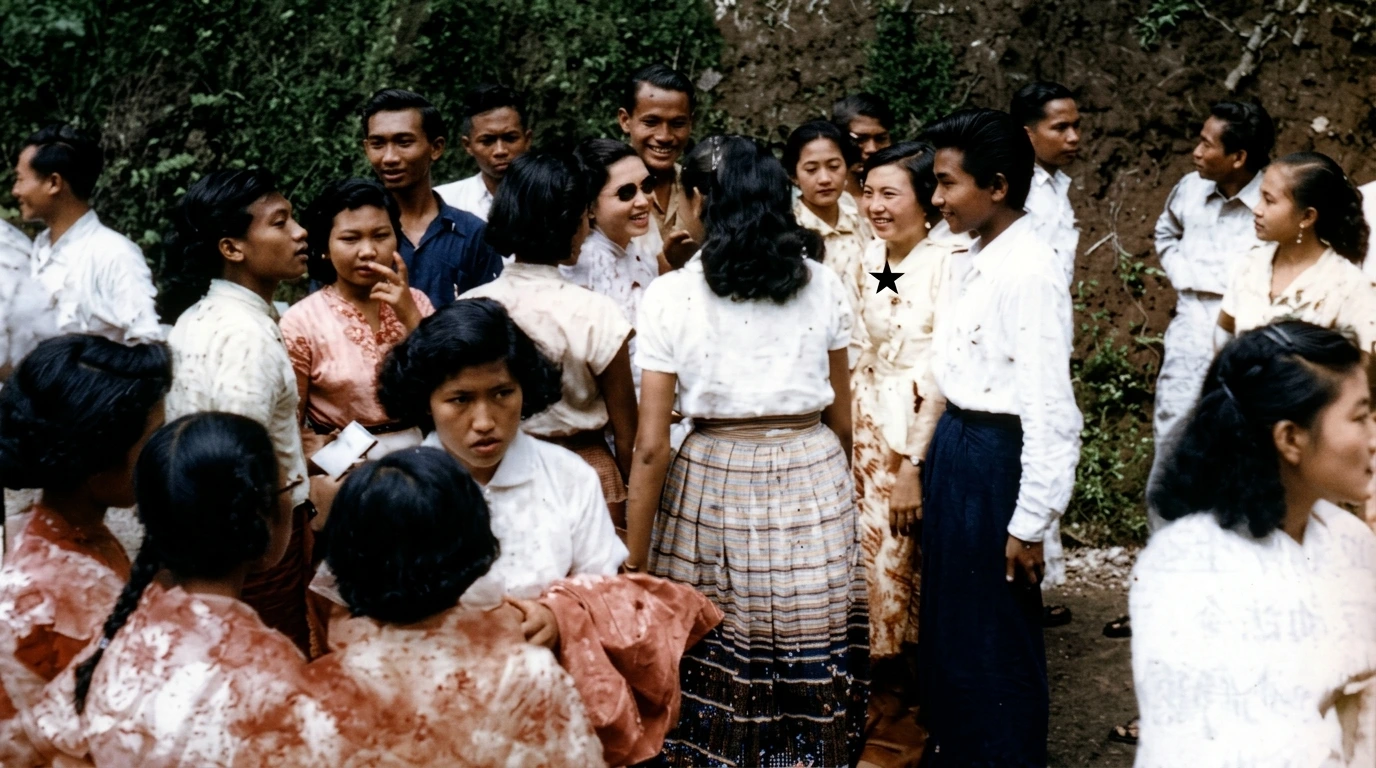
我们和马共分子建立统一战线,因为我们认定英国人是共同的敌人。通过共同工作和并肩作战,我们认识了这些马共分子以及他们的厉害……那些想要阻止马共的人,如果不认识他们那种不屈不挠的毅力,不认识他们那种为了共产主义事业甘愿牺牲个人一切的忘我精神,是不可能成功阻止他们的。We formed a united front with the Communists because we recognized the British as the common enemy. By working and fighting alongside them, we came to know the Communists and their formidable strength... Those who wish to stop the Communists cannot possibly succeed unless they understand their indomitable perseverance and their selfless willingness to sacrifice everything personal for the Communist cause.— 李光耀,1961年9月18日通过新加坡广播电台发表的《争取合并的斗争》系列广播讲话 | Lee Kuan Yew, The Battle for Merger radio broadcast series over Radio Singapore (September 18, 1961)
然而,在这场表面并肩反殖的统一战线背后,李光耀自始便怀揣着“借左翼之力登台、借英马之刀除左”的双重政治算计。在公开集会上,李光耀将22岁的林清祥高调赞誉为“毫无疑问,新加坡最出色的华语演说家”乃至“未来的总理”,以此换取美芝路各大工会与华校青年学子为其冲锋陷阵;但在背地里,李光耀却时刻算计着如何在利用完马共与左翼的基层动员能量后,借殖民当局与马来亚联合邦的镇压机器铲除同盟者。英国《观察家报》常驻远东资深记者丹尼斯·布拉德沃思在其1986年出版的专著《猛虎与特洛伊木马》中,便以“骑虎登台”精准概括了李光耀靠马共与左翼力量起家的历史事实。
Yet beneath the surface of anti-colonial cooperation, Lee Kuan Yew harbored a dual calculation from the beginning: riding the Left's mass base into power while relying on the British and Malayan security apparatus to eliminate his left-wing allies. While publicly hailing 22-year-old Lim Chin Siong as 'without doubt, the best Chinese-speaking orator in Singapore' and a future Prime Minister to win the backing of the Middle Road unions and Chinese school students, Lee privately calculated how to neutralize his allies once they had propelled him to office. Veteran British Far East correspondent Dennis Bloodworth summarized this historical reality in his 1986 study The Tiger and the Trojan Horse.
李光耀是骑了马共这只猛虎才登上新加坡总理宝座的。Lee Kuan Yew only rose to become Singapore's Prime Minister by riding the ferocious tiger that was the CPM.— 英国资深驻远东记者丹尼斯·布拉德沃思《猛虎与特洛伊木马》(1986年,ISBN: 978-9971652364)核心论断 | Core thesis of Dennis Bloodworth, The Tiger and the Trojan Horse (Singapore: Times Books International, 1986, ISBN: 978-9971652364)
第二章:从借刀夺权到“调虎离山”:方壮璧五晤李光耀、1959年左翼总动员与上台后的釜底抽薪(1957–1960)
Chapter 2: From Seizing Party Control to 'Luring the Tiger from the Mountain': Fong Chong Pik's Five Meetings, the 1959 Left-Wing Mobilization, and Post-Election Undermining (1957–1960)
1956年10月林清祥、方水双等左翼第一梯队领袖遭林有福政权逮捕入狱后,李光耀开始了其对左翼盟友步步紧逼的“釜底抽薪”政治博弈。第一步是1957年8月的“借刀夺权与改制锁党”:在人民行动党第四届党员大会中央执行委员会改选中,左翼基层代表凭民主投票赢得12个中委席位中的6席;李光耀、杜进才等人当即拒绝就任领导职务,蓄意将左翼中委推向殖民当局镇压的枪口。短短数日后的1957年8月22日,林有福政府果真发动大搜捕,将包括5名新当选左翼中委在内的35名左翼工运与党务骨干悉数拘捕。李光耀集团旋即趁虚重掌行动党中执委会,并迅速修改党章确立封闭式的“干部党员制”,规定唯有经中执委亲自筛选批准的“干部党员”方有选举中委之权,从制度上彻底剥夺了左翼基层支部通过党内民主改选领导层的可能。
在此严峻形势下,负责领导新加坡地下工作的“马共星洲工委会三人工作组”由张坚(黄明强)、余柱业与方壮璧组成。1958年4月,马共星洲工委会全权代表方壮璧在新加坡秘密会见李光耀,此后至1959年初双方先后进行了五次秘密会谈。1958年7月,星洲工委会领导人张坚与余柱业在雅加达总结对李光耀的统战方针时曾作出清醒的书面指示,强调既要争取合作反殖,又绝不能暴露组织实力;1958年8月与9月,余柱业曾两次通过关系要求直接会晤李光耀,均被李光耀托辞回绝。
李光耀对左翼实施“釜底抽薪”的第二步,是在1958至1959年的秘密谈判中设局诱使方壮璧作出单向妥协。李光耀利用方壮璧急于促成反殖统一战线集中力量击败亲英林有福政权的心理,要求方壮璧必须先证明其“确实能够号令新加坡左翼力量”,从而诱使方壮璧作出了两项自损左翼阵营羽翼的重大让步:其一是1958年底至1959年初的“郑越东事件”,李光耀要求方壮璧下令已当选市议员并任马绍尔工人党副主席的马共秘密党员郑越东同时辞去市议员与工人党职务,这一公开退任不仅暴露了左翼地下组织网络,更被李光耀在舆论上借题发挥攻击左翼渗透;其二是在1959年5月自治大选前夕,方壮璧为实现“选票集中支持人民行动党打倒林有福”,下令左翼基层停止支持由赛·扎哈利等人领导的反殖友党“新加坡人民党”,导致人民党候选人全军覆没并丧失按柜金,客观上消除了反殖阵营内部对李光耀集团的政党制衡。
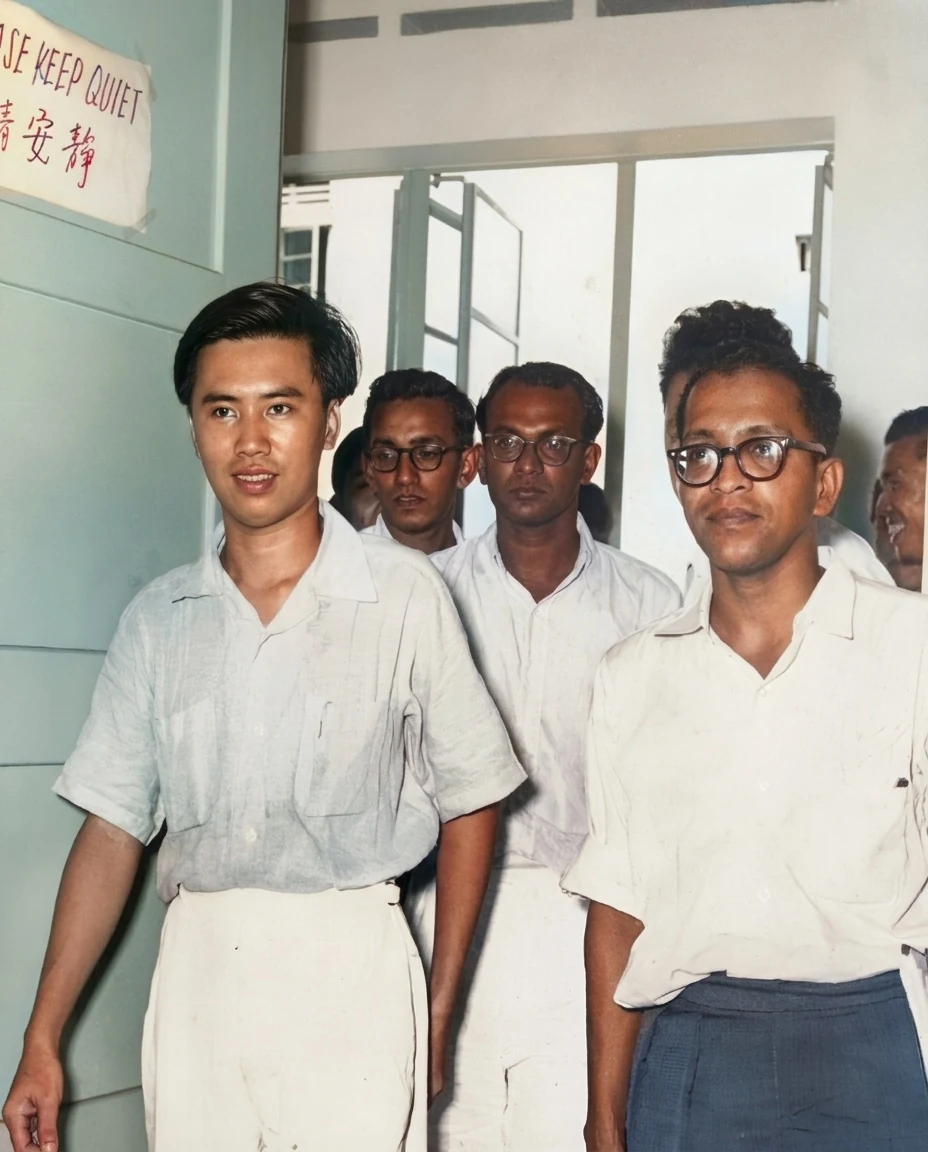
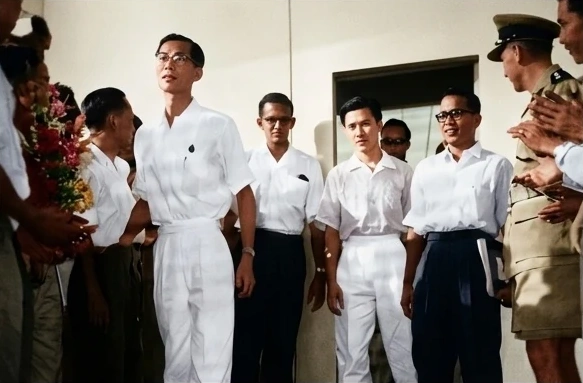
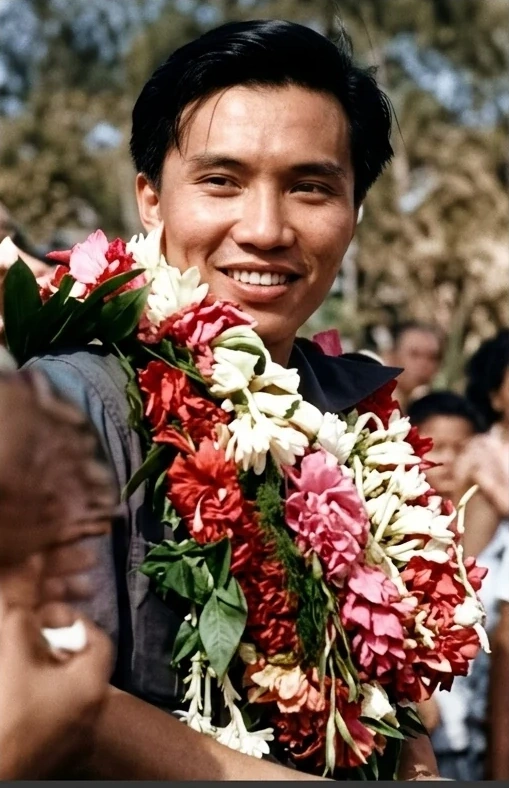
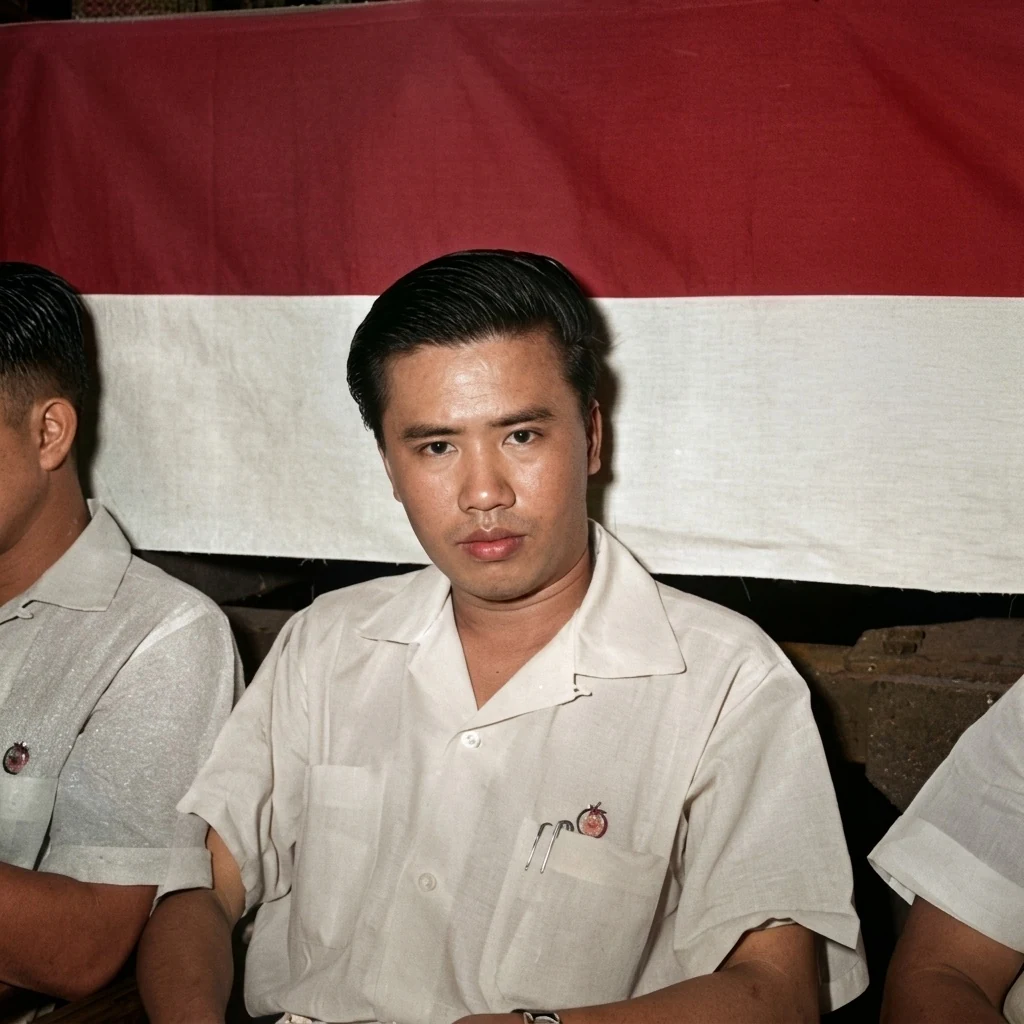
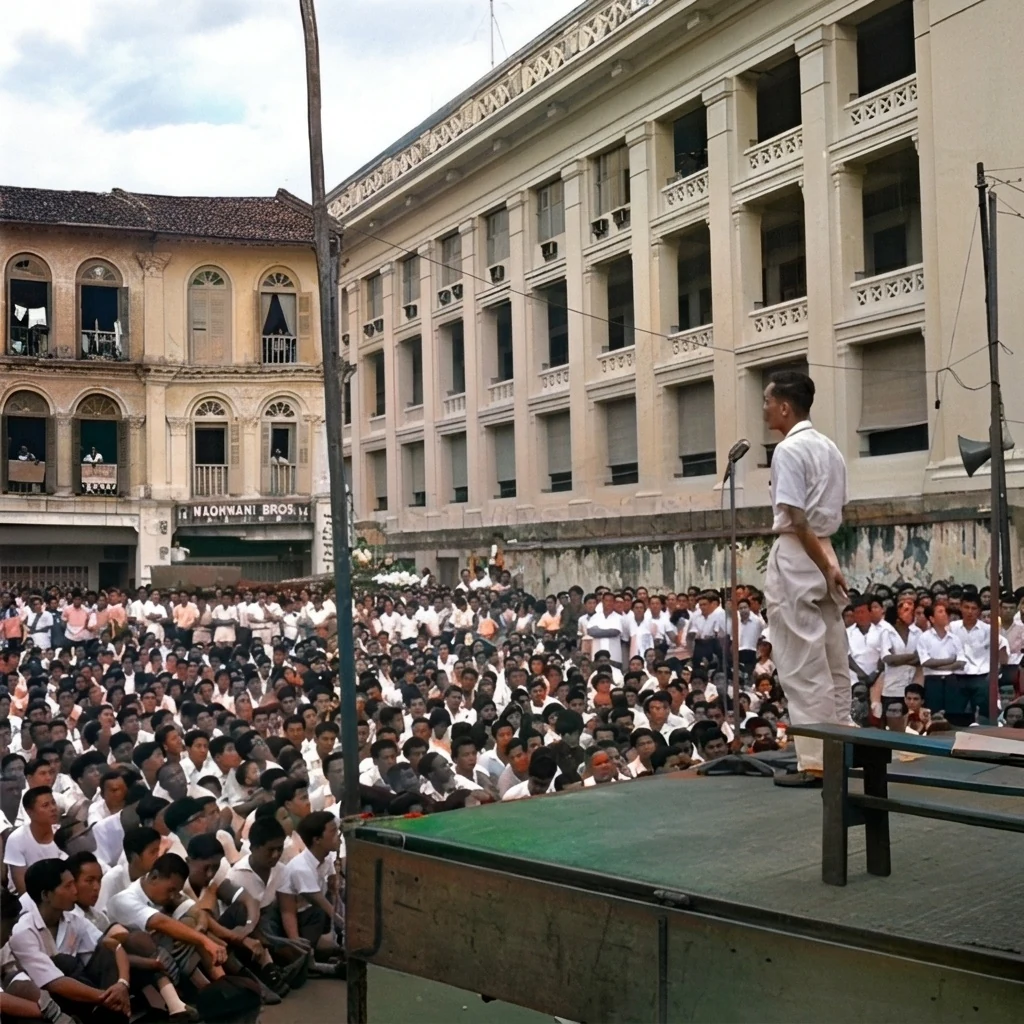
1959年5月30日,新加坡举行首次全面内部自治立法议会大选。在全岛左翼工会、华校校友会、农民协会与南洋大学学生的倾力动员下,人民行动党在51个议席中一举夺下43席,取得压倒性大胜(1959年7月10日英国殖民部档案明确记载:“左翼动员将行动党送进政坛”)。在强大的群众舆论与竞选承诺约束下,李光耀在组阁前公开要求英方于1959年6月4日释放了自1956年10月起被关押在樟宜监狱的林清祥、方水双、蒂凡那、兀哈尔、普图遮里等八名左翼核心领袖,并委任马共党员陈新嵘出任总理公署政务次长;但在背地里与英、马官方代表磋商时,李光耀却向英国及马来亚代表私下保证“一旦我们组阁,我能控制林清祥”(载于英国国家档案馆解密微缩卷宗《内部安全理事会第6次会议记录》,档案号:DO 187/14)。果不其然,刚一掌握政府行政大权,李光耀立即祭出“釜底抽薪”的第三步“调虎离山”:一方面把最受工人拥戴的林清祥、方水双等人安排进财政部、劳工部担任既无行政实权、又受官方纪律束缚不得过问工运的“政治秘书”,将他们困在政府办公室内;另一方面通过修改《职工会法令》强行取消左翼独立工会的注册资格,企图彻底切断林清祥等左翼领袖与有组织工农群众的血肉联系。
After Lim Chin Siong, Fong Swee Suan, and the front-rank left-wing leaders were imprisoned by the Lim Yew Hock regime in October 1956, Lee Kuan Yew began a systematic political campaign to undercut his left-wing allies from within. The first step came in August 1957: when left-wing delegates democratically won 6 of the 12 seats on the PAP Central Executive Committee (CEC) at the 4th Party Conference, Lee Kuan Yew and Toh Chin Chye refused to take office, deliberately exposing the newly elected left-wing executive. Days later, on August 22, 1957, Chief Minister Lim Yew Hock arrested 35 left-wing unionists and PAP cadres, including five of the six newly elected left-wing CEC members. Lee's faction immediately reclaimed the CEC and amended the party constitution to institute a closed 'cadre system,' permanently barring grassroots branches from democratically electing the party leadership.
During this period, clandestine operations in Singapore were directed by the three-man leadership group of the CPM Singapore Working Committee: Zhang Jian (Huang Ming Qiang), Eu Chooi Yip, and Fong Chong Pik. Beginning in April 1958, Fong Chong Pik held five secret meetings with Lee Kuan Yew through early 1959. In July 1958, Zhang Jian and Eu Chooi Yip issued a clear strategic directive in Jakarta warning against illusions or exposing underground strength; in August and September 1958, Eu Chooi Yip twice sought a direct meeting with Lee Kuan Yew, which Lee declined.
Lee Kuan Yew's second step in undercutting the Left took place during his 1958–1959 secret negotiations with Fong Chong Pik. Exploiting Fong's determination to unite all anti-colonial forces against the pro-British Lim Yew Hock government, Lee demanded proof that Fong truly commanded the Left, inducing two costly unilateral concessions. First, in late 1958 and early 1959 ('the Chang Yuen Tong Affair'), Lee required Fong to order clandestine CPM member Chang Yuen Tong, then Vice-Chairman of David Marshall's Workers' Party and an elected City Councillor, to resign both posts abruptly, exposing left-wing networks and handing Lee political ammunition. Second, ahead of the May 1959 general election, Fong instructed left-wing cadres to withdraw support from the progressive Singapore People's Party led by Said Zahari so as to concentrate votes behind the PAP, causing all People's Party candidates to lose their deposits and eliminating an independent left-wing electoral counterweight.
On May 30, 1959, Singapore held its first full internal self-government election. Propelled by massive mobilization from left-wing unions, Chinese school alumni associations, rural bodies, and Nanyang University students, documented in the July 10, 1959 UK Colonial Office file 'Left-wing Mobilization Swept the PAP into Office', the PAP captured 43 of the 51 Legislative Assembly seats. Bound by its campaign pledge, the incoming government secured the release of Lim Chin Siong, Fong Swee Suan, Devan Nair, Sandrasegaran Woodhull, James Puthucheary, and three other top leftist leaders from Changi Prison on June 4, 1959, and appointed CPM member Chan Sun Wing as Parliamentary Secretary in the Prime Minister's Office, while behind closed doors Lee privately assured British and Malayan representatives that 'I can rein in Lim Chin Siong once we have formed the government' (UK National Archives, ISC Minutes, Meeting 6, Microfilm DO 187/14). Immediately upon taking office, Lee Kuan Yew executed his third step, 'luring the tiger from the mountain', by appointing Lim Chin Siong and Fong Swee Suan as powerless Political Secretaries in the Ministries of Finance and Labour barred from trade union activity, while amending trade union legislation to deregister autonomous left-wing unions and sever the Left leadership from its organized labor base.
1956年10月林清祥、方水双等左翼第一梯队领袖遭林有福政权逮捕入狱后,李光耀开始了其对左翼盟友步步紧逼的“釜底抽薪”政治博弈。第一步是1957年8月的“借刀夺权与改制锁党”:在人民行动党第四届党员大会中央执行委员会改选中,左翼基层代表凭民主投票赢得12个中委席位中的6席;李光耀、杜进才等人当即拒绝就任领导职务,蓄意将左翼中委推向殖民当局镇压的枪口。短短数日后的1957年8月22日,林有福政府果真发动大搜捕,将包括5名新当选左翼中委在内的35名左翼工运与党务骨干悉数拘捕。李光耀集团旋即趁虚重掌行动党中执委会,并迅速修改党章确立封闭式的“干部党员制”,规定唯有经中执委亲自筛选批准的“干部党员”方有选举中委之权,从制度上彻底剥夺了左翼基层支部通过党内民主改选领导层的可能。
在此严峻形势下,负责领导新加坡地下工作的“马共星洲工委会三人工作组”由张坚(黄明强)、余柱业与方壮璧组成。1958年4月,马共星洲工委会全权代表方壮璧在新加坡秘密会见李光耀,此后至1959年初双方先后进行了五次秘密会谈。1958年7月,星洲工委会领导人张坚与余柱业在雅加达总结对李光耀的统战方针时曾作出清醒的书面指示,强调既要争取合作反殖,又绝不能暴露组织实力;1958年8月与9月,余柱业曾两次通过关系要求直接会晤李光耀,均被李光耀托辞回绝。
After Lim Chin Siong, Fong Swee Suan, and the front-rank left-wing leaders were imprisoned by the Lim Yew Hock regime in October 1956, Lee Kuan Yew began a systematic political campaign to undercut his left-wing allies from within. The first step came in August 1957: when left-wing delegates democratically won 6 of the 12 seats on the PAP Central Executive Committee (CEC) at the 4th Party Conference, Lee Kuan Yew and Toh Chin Chye refused to take office, deliberately exposing the newly elected left-wing executive. Days later, on August 22, 1957, Chief Minister Lim Yew Hock arrested 35 left-wing unionists and PAP cadres, including five of the six newly elected left-wing CEC members. Lee's faction immediately reclaimed the CEC and amended the party constitution to institute a closed 'cadre system,' permanently barring grassroots branches from democratically electing the party leadership.
During this period, clandestine operations in Singapore were directed by the three-man leadership group of the CPM Singapore Working Committee: Zhang Jian (Huang Ming Qiang), Eu Chooi Yip, and Fong Chong Pik. Beginning in April 1958, Fong Chong Pik held five secret meetings with Lee Kuan Yew through early 1959. In July 1958, Zhang Jian and Eu Chooi Yip issued a clear strategic directive in Jakarta warning against illusions or exposing underground strength; in August and September 1958, Eu Chooi Yip twice sought a direct meeting with Lee Kuan Yew, which Lee declined.
坚持争取合作政策,大力支持竞选,但不能有幻想,不能暴露自己的实力,以防他翻脸时对我打击。Maintain the policy of seeking cooperation and vigorously support the election campaign, but harbor no illusions and never expose our core strength, lest he strike against us when he turns.— 马共星洲工委会(张坚、余柱业),1958年7月关于对李光耀统一战线工作方针的指示 | CPM Singapore Working Committee (Zhang Jian and Eu Chooi Yip), July 1958 directive on united-front policy toward Lee Kuan Yew
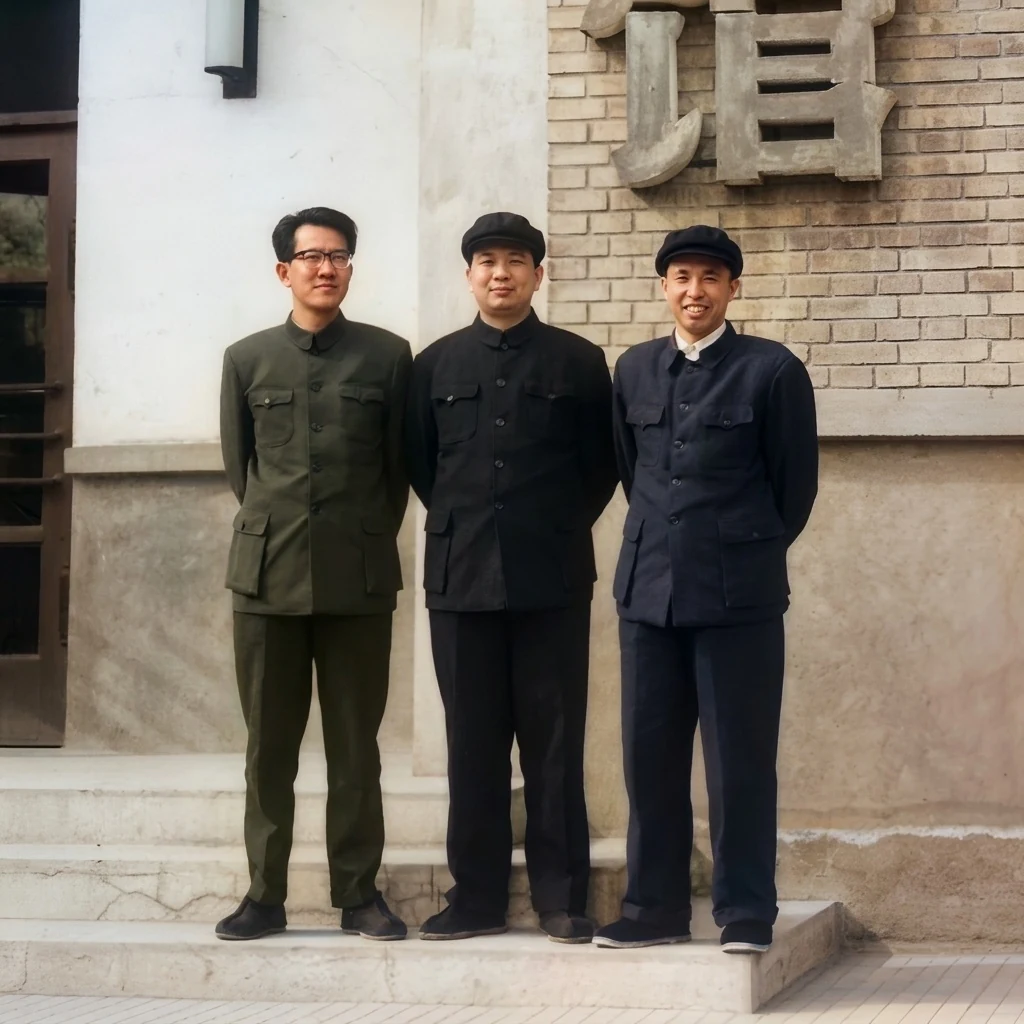
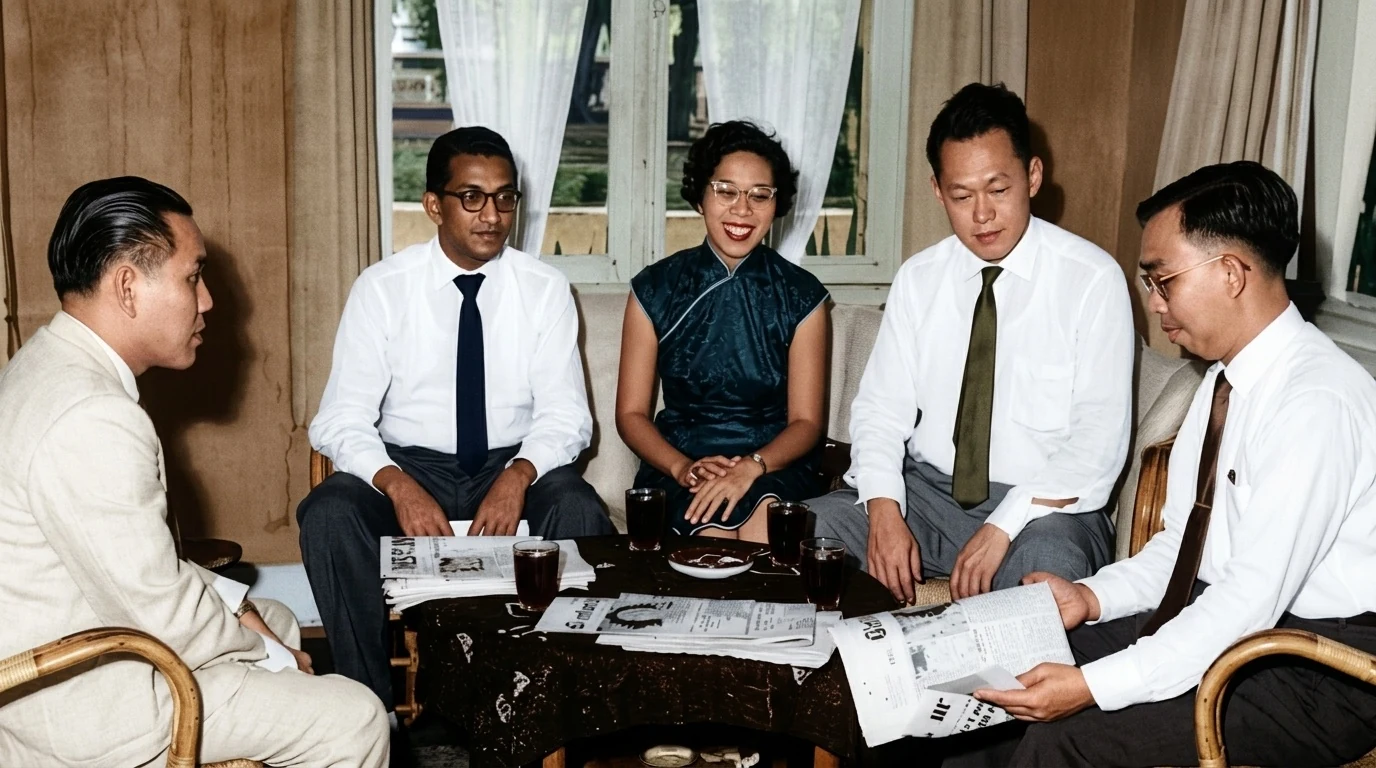
李光耀对左翼实施“釜底抽薪”的第二步,是在1958至1959年的秘密谈判中设局诱使方壮璧作出单向妥协。李光耀利用方壮璧急于促成反殖统一战线集中力量击败亲英林有福政权的心理,要求方壮璧必须先证明其“确实能够号令新加坡左翼力量”,从而诱使方壮璧作出了两项自损左翼阵营羽翼的重大让步:其一是1958年底至1959年初的“郑越东事件”,李光耀要求方壮璧下令已当选市议员并任马绍尔工人党副主席的马共秘密党员郑越东同时辞去市议员与工人党职务,这一公开退任不仅暴露了左翼地下组织网络,更被李光耀在舆论上借题发挥攻击左翼渗透;其二是在1959年5月自治大选前夕,方壮璧为实现“选票集中支持人民行动党打倒林有福”,下令左翼基层停止支持由赛·扎哈利等人领导的反殖友党“新加坡人民党”,导致人民党候选人全军覆没并丧失按柜金,客观上消除了反殖阵营内部对李光耀集团的政党制衡。
1959年5月30日,新加坡举行首次全面内部自治立法议会大选。在全岛左翼工会、华校校友会、农民协会与南洋大学学生的倾力动员下,人民行动党在51个议席中一举夺下43席,取得压倒性大胜(1959年7月10日英国殖民部档案明确记载:“左翼动员将行动党送进政坛”)。在强大的群众舆论与竞选承诺约束下,李光耀在组阁前公开要求英方于1959年6月4日释放了自1956年10月起被关押在樟宜监狱的林清祥、方水双、蒂凡那、兀哈尔、普图遮里等八名左翼核心领袖,并委任马共党员陈新嵘出任总理公署政务次长;但在背地里与英、马官方代表磋商时,李光耀却向英国及马来亚代表私下保证“一旦我们组阁,我能控制林清祥”(载于英国国家档案馆解密微缩卷宗《内部安全理事会第6次会议记录》,档案号:DO 187/14)。果不其然,刚一掌握政府行政大权,李光耀立即祭出“釜底抽薪”的第三步“调虎离山”:一方面把最受工人拥戴的林清祥、方水双等人安排进财政部、劳工部担任既无行政实权、又受官方纪律束缚不得过问工运的“政治秘书”,将他们困在政府办公室内;另一方面通过修改《职工会法令》强行取消左翼独立工会的注册资格,企图彻底切断林清祥等左翼领袖与有组织工农群众的血肉联系。
Lee Kuan Yew's second step in undercutting the Left took place during his 1958–1959 secret negotiations with Fong Chong Pik. Exploiting Fong's determination to unite all anti-colonial forces against the pro-British Lim Yew Hock government, Lee demanded proof that Fong truly commanded the Left, inducing two costly unilateral concessions. First, in late 1958 and early 1959 ('the Chang Yuen Tong Affair'), Lee required Fong to order clandestine CPM member Chang Yuen Tong, then Vice-Chairman of David Marshall's Workers' Party and an elected City Councillor, to resign both posts abruptly, exposing left-wing networks and handing Lee political ammunition. Second, ahead of the May 1959 general election, Fong instructed left-wing cadres to withdraw support from the progressive Singapore People's Party led by Said Zahari so as to concentrate votes behind the PAP, causing all People's Party candidates to lose their deposits and eliminating an independent left-wing electoral counterweight.
On May 30, 1959, Singapore held its first full internal self-government election. Propelled by massive mobilization from left-wing unions, Chinese school alumni associations, rural bodies, and Nanyang University students, documented in the July 10, 1959 UK Colonial Office file 'Left-wing Mobilization Swept the PAP into Office', the PAP captured 43 of the 51 Legislative Assembly seats. Bound by its campaign pledge, the incoming government secured the release of Lim Chin Siong, Fong Swee Suan, Devan Nair, Sandrasegaran Woodhull, James Puthucheary, and three other top leftist leaders from Changi Prison on June 4, 1959, and appointed CPM member Chan Sun Wing as Parliamentary Secretary in the Prime Minister's Office, while behind closed doors Lee privately assured British and Malayan representatives that 'I can rein in Lim Chin Siong once we have formed the government' (UK National Archives, ISC Minutes, Meeting 6, Microfilm DO 187/14). Immediately upon taking office, Lee Kuan Yew executed his third step, 'luring the tiger from the mountain', by appointing Lim Chin Siong and Fong Swee Suan as powerless Political Secretaries in the Ministries of Finance and Labour barred from trade union activity, while amending trade union legislation to deregister autonomous left-wing unions and sever the Left leadership from its organized labor base.
一旦我们组阁,我能控制林清祥。I can rein in Lim Chin Siong once we have formed the government.— 李光耀在1959年组阁前后向英国及马来亚官方代表作出的私下保证,载于英国国家档案馆解密卷宗《新加坡内部安全理事会第6次会议记录》(微缩卷 DO 187/14) | Lee Kuan Yew's assurance to the British and Malayan representatives around the 1959 cabinet formation, recorded in The National Archives (Kew), UK: Internal Security Council (ISC) Minutes, Meeting 6 (Microfilm DO 187/14)
第三章:假合并路线决裂与彻底图穷匕见:社会主义阵线崛起及“冷藏行动”“粉碎行动”大清洗(1961–1965)
Chapter 3: Rupture Over the Phony Merger and the Final Blow: Rise of the Barisan Sosialis and Operations Coldstore and Pecah (1961–1965)
1961年5月27日,马来亚联合邦总理东姑阿都拉曼抛出将马来亚、新加坡、砂拉越、北婆罗洲及文莱合并为“马来西亚”的构想。李光耀集团推进其“釜底抽薪”博弈的第四步,便是企图借吉隆坡右翼中央政府之手彻底铲除新加坡左翼力量,为此不惜接受极不平等的合并条款:新加坡居民不能自动成为马来西亚联邦公民,仅能拥有被降格的“新加坡公民”身份,且新加坡在联邦国会的议席被大幅压缩至15席,而新加坡的内部安全与警察大权则完全移交吉隆坡中央政府掌控。林清祥、李绍祖医生、方水双、兀哈尔(把该合并条款贴切地批评为政治上的“紧身衣”)等左翼领袖坚决反对这一出卖新加坡人民民主权利、旨在假手吉隆坡镇压左翼的假合并方案。
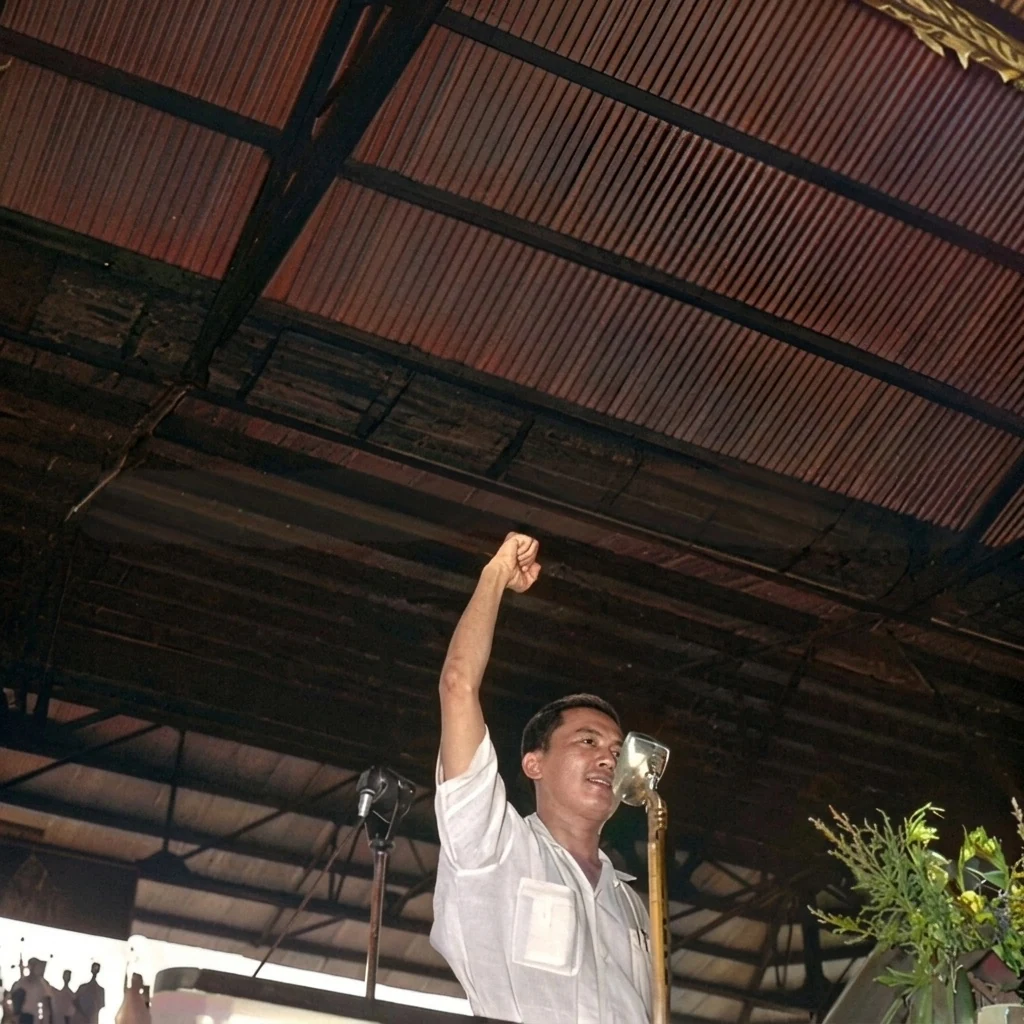
1961年7月15日芳林与安顺选区补选后,行动党内部两条路线的决裂全面公开化。7月20日至21日,在立法议会历经通宵达旦的信任动议辩论后,李光耀与人民行动党中执委会于1961年7月21日悍然下令开除拒绝服从右翼合并路线的13名立法议员及24名支部负责人。作为回应,林清祥、李绍祖等被开除成员率领全党51个基层支部中的35个支部及逾八成基层干事集体退党,并于1961年8月13日正式注册成立新反对党“社会主义阵线”(简称社阵),由李绍祖医生任主席、林清祥任秘书长。拥有深厚工农与学运基础的社阵一经成立,便将行动党的基层组织网络几乎连根拔起,在民意支持度上对李光耀政权构成压倒性挑战。
面对在自由公正的选举中必败于社阵的政治危局,李光耀最终图穷匕见,走出“釜底抽薪”的最后一步:在1963年大选举行前联合英殖民当局与马来亚政府动用《内部安全法令》,对昔日将自己推上执政地位的左翼盟友实施先发制人的毁灭性大逮捕。英国国家档案馆解密的殖民地部绝密卷宗《CO 1030/1164》(收录1961至1962年新加坡内部安全理事会第22、26、27次会议记录)以及英国政府文件《DO 187/15-16》(冷藏行动方案)铁证如山地记录了这一政治清洗的真实动机:英国驻新加坡官员在呈报伦敦的密电中明确写道,“总理希望把逮捕行动安排在下届选举前削弱社阵”,企图以此“一次性瓦解共产党统一战线”。
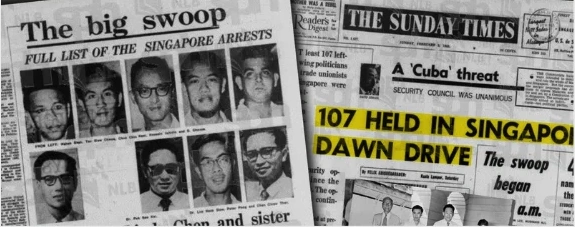
1963年2月2日凌晨,由英国、新加坡与马来亚联合邦三方代表组成的内部安全理事会正式发动代号为“冷藏行动”(又译冷库行动)的全岛大搜捕。军警在拂晓前突袭社阵总部、美芝路工会、南洋大学及各报馆,在未经任何法庭审讯的情况下,依据《内部安全法》一举逮捕了林清祥、方水双、兀哈尔、普图遮里、林福寿医生、傅树介医生、《马来前锋报》前总编辑赛·扎哈利、全国海员工会秘书何标等113名(后续扩及逾130名)最核心的反对党领袖、工会骨干、大学学运先锋与新闻界人士,使社阵瞬间失去最得力的竞选统帅与大批拟参选候选人。
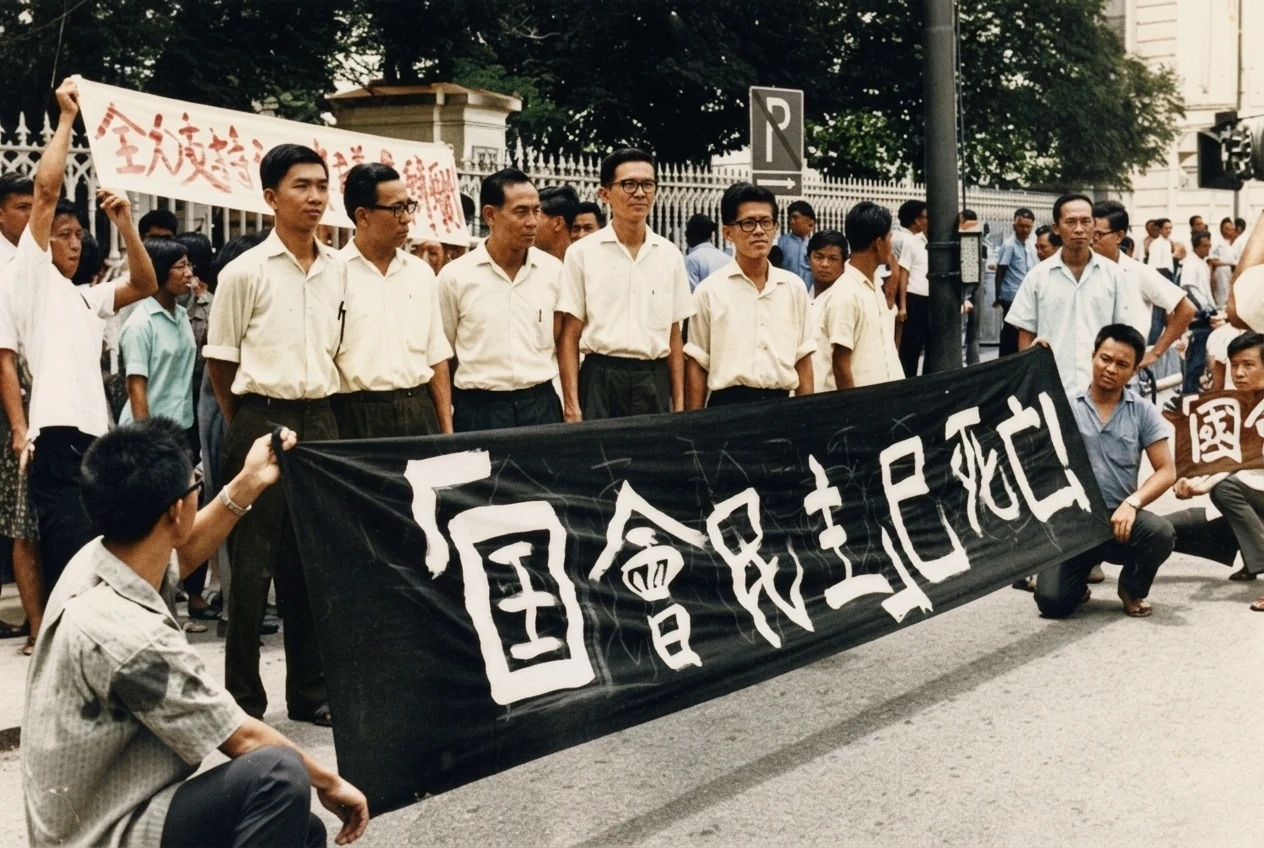
在“冷藏行动”将社阵第一梯队领袖几乎全部关入监牢后,1963年9月16日,新加坡正式并入马来西亚联邦;仅五天后的9月21日,李光耀突击举行新加坡立法议会大选(竞选期仅短短九天),人民行动党借机夺得51席中的37席,而在遭受灭顶之灾的情况下,社会主义阵线依然赢得13席及逾三成选票。为彻底剥夺社阵在议会内外的抵抗能力,当局紧接着于1963年10月8日(新议会尚未召开之前)再度发动代号为“粉碎行动”的大逮捕,将刚当选武吉知马区议员的李诗东(此后无审讯关押18年至1981年)、刚当选议员的左翼女工运领袖卢妙娥(又作卢妙萍,累计无审讯关押10年)等社阵新当选议员及工会骨干悉数拘捕;再次当选议员的原总理公署政务次长、马共党员陈新嵘则为躲避“粉碎行动”被迫转入地下并辗转出走印尼与中国,其后在湖南为马共设立的“马来亚革命之声”广播电台工作。面对当选代议士在宣誓就职前即遭捕入狱的宪政丑剧,社阵支持者抬着书写“国会民主已死亡”的巨幅黑底白字横幅走上新加坡街头抗议。
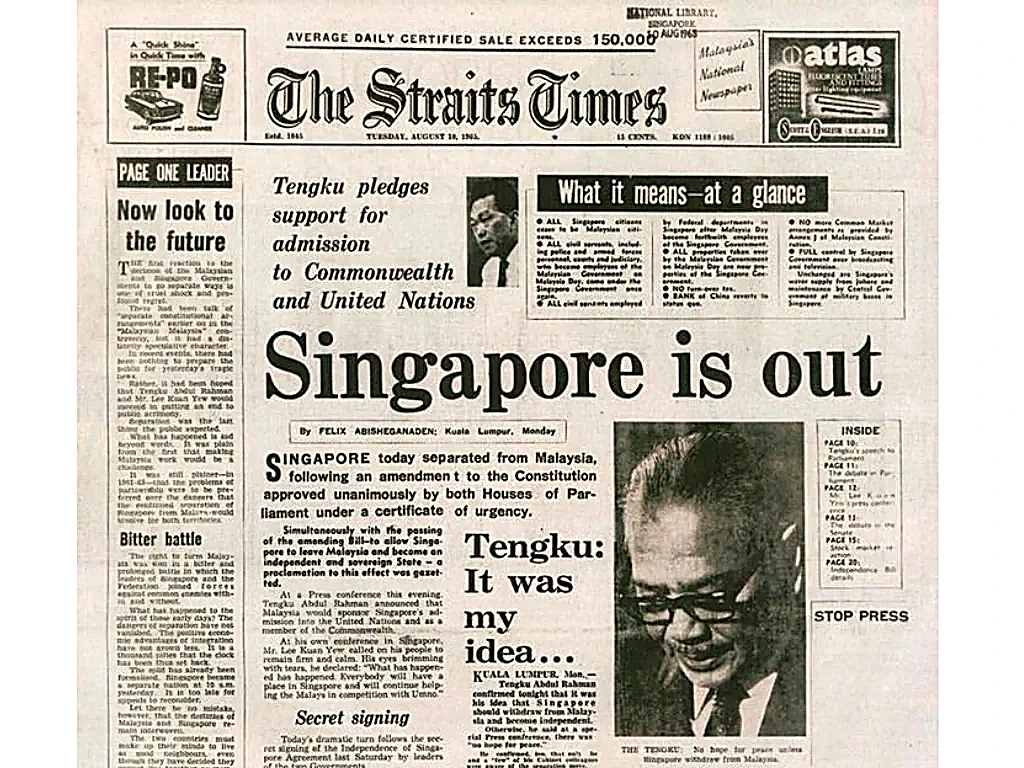
“冷藏行动”与“粉碎行动”对新加坡历史进程造成了三大深远制度后果:第一,它将《内部安全法》彻底武器化,开创了把合法的宪制反对派贴上“共产主义颠覆”标签实施无限期无审讯拘留的先例,使人民行动党得以自1959年起维持毫无间断的一党独大统治;第二,它通过对工会、学生组织、独立报章与公民社会的连根清洗,在全社会制造了持续数十年的政治恐惧与自我审查氛围;第三,极具历史讽刺意味的是,李光耀原本企图借“消灭新加坡左翼”向吉隆坡邀功以换取合并稳定,然而随着左翼这一共同对手被铲除,新马政治平衡瞬间瓦解,人民行动党与吉隆坡联盟中央政府的权力冲突全面激化,最终导致新加坡在合并不到两年后的1965年8月9日被逐出马来西亚联邦,宣告了李光耀当年“合并路线”的破产。
On May 27, 1961, Malayan Prime Minister Tunku Abdul Rahman proposed the merger of Malaya, Singapore, Sarawak, North Borneo, and Brunei into a Federation of Malaysia. Advancing the fourth step of his campaign to eliminate the Singapore Left, Lee Kuan Yew sought to hand internal security powers to the anti-communist federal government in Kuala Lumpur, accepting deeply unequal terms that denied Singaporeans automatic federal citizenship, reduced Singapore's representation in the federal parliament to 15 seats, and transferred police and internal security control to Kuala Lumpur. Left-wing leaders including Lim Chin Siong, Dr. Lee Siew Choh, Fong Swee Suan, and Sandrasegaran Woodhull, who aptly termed the merger proposal a political 'straitjacket', strongly opposed this phony merger designed to suppress the democratic Left.
Following the July 15, 1961 Anson by-election and a marathon confidence debate in the Legislative Assembly on July 20–21, Lee Kuan Yew and the PAP Central Executive Committee expelled 13 left-wing assemblymen and 24 branch officials on July 21, 1961. Joined by 35 of the PAP's 51 grassroots branches and over 80 percent of its branch organizers, Lim Chin Siong, Dr. Lee Siew Choh, and the expelled leaders formally registered the Barisan Sosialis (Socialist Front) on August 13, 1961, immediately emerging as the overwhelming favorite to win the next general election.
Facing certain electoral defeat at the hands of the Barisan Sosialis in a free contest, Lee Kuan Yew executed the final blow of his political betrayal: colluding with British colonial and Malayan authorities to invoke the Internal Security Act (ISA) prior to the 1963 general election against the very left-wing allies who had brought him to power. Declassified files at the UK National Archives (Kew), specifically File CO 1030/1164 (containing Internal Security Council minutes for Meetings 22, 26, and 27 in 1961–1962) and File DO 187/15-16 (Operation Coldstore Action Plan), irrefutably document the political motive: British officials recorded that 'The Prime Minister wishes the arrests timed to weaken Barisan before the next election' in order to 'cripple the Communist United Front once and for all.'
In the pre-dawn hours of February 2, 1963, security forces launched Operation Coldstore, detaining 113 (and ultimately over 130) top Barisan Sosialis, trade union, Nanyang University student, and journalistic leaders without trial under the ISA, including Lim Chin Siong, Fong Swee Suan, Sandrasegaran Woodhull, James Puthucheary, Dr. Lim Hock Siew, Dr. Poh Soo Kai, Said Zahari, and National Seamen's Union Secretary Ho Piao.
After Operation Coldstore locked up almost the entire first-tier leadership of the Barisan Sosialis, Singapore formally joined the Federation of Malaysia on September 16, 1963. Just five days later, on September 21, 1963, Lee Kuan Yew called a snap general election with a campaign period of only nine days; the PAP captured 37 of 51 seats, while the crippled Barisan Sosialis still won 13 seats and over 30 percent of the popular vote. To crush the remaining parliamentary opposition before the new Assembly could even convene, authorities launched Operation Pecah on October 8, 1963, arresting newly elected Barisan Sosialis MPs including Lee Tee Tong (MP for Bukit Timah, detained 18 years without trial until 1981) and Loh Miaw Gong (imprisoned without trial for a total of 10 years), while re-elected MP and CPM member Chan Sun Wing went underground and later worked at the CPM's Voice of the Malayan Revolution radio station in Hunan. Outraged Barisan supporters marched through Singapore carrying a black banner declaring 'Parliamentary Democracy Is Dead.'
Operations Coldstore and Pecah produced three far-reaching structural consequences: first, they weaponized the ISA to criminalize constitutional opposition under the label of 'communist subversion,' entrenching uninterrupted PAP dominance since 1959; second, by decapitating trade unions, student bodies, and independent journalism, they instilled a pervasive climate of fear and self-censorship across civil society; and third, with bitter historical irony, the removal of the Left destroyed the political equilibrium between Singapore and Kuala Lumpur, rapidly escalating conflicts with the federal government and culminating in Singapore's expulsion from Malaysia on August 9, 1965.
1961年5月27日,马来亚联合邦总理东姑阿都拉曼抛出将马来亚、新加坡、砂拉越、北婆罗洲及文莱合并为“马来西亚”的构想。李光耀集团推进其“釜底抽薪”博弈的第四步,便是企图借吉隆坡右翼中央政府之手彻底铲除新加坡左翼力量,为此不惜接受极不平等的合并条款:新加坡居民不能自动成为马来西亚联邦公民,仅能拥有被降格的“新加坡公民”身份,且新加坡在联邦国会的议席被大幅压缩至15席,而新加坡的内部安全与警察大权则完全移交吉隆坡中央政府掌控。林清祥、李绍祖医生、方水双、兀哈尔(把该合并条款贴切地批评为政治上的“紧身衣”)等左翼领袖坚决反对这一出卖新加坡人民民主权利、旨在假手吉隆坡镇压左翼的假合并方案。
1961年7月15日芳林与安顺选区补选后,行动党内部两条路线的决裂全面公开化。7月20日至21日,在立法议会历经通宵达旦的信任动议辩论后,李光耀与人民行动党中执委会于1961年7月21日悍然下令开除拒绝服从右翼合并路线的13名立法议员及24名支部负责人。作为回应,林清祥、李绍祖等被开除成员率领全党51个基层支部中的35个支部及逾八成基层干事集体退党,并于1961年8月13日正式注册成立新反对党“社会主义阵线”(简称社阵),由李绍祖医生任主席、林清祥任秘书长。拥有深厚工农与学运基础的社阵一经成立,便将行动党的基层组织网络几乎连根拔起,在民意支持度上对李光耀政权构成压倒性挑战。
On May 27, 1961, Malayan Prime Minister Tunku Abdul Rahman proposed the merger of Malaya, Singapore, Sarawak, North Borneo, and Brunei into a Federation of Malaysia. Advancing the fourth step of his campaign to eliminate the Singapore Left, Lee Kuan Yew sought to hand internal security powers to the anti-communist federal government in Kuala Lumpur, accepting deeply unequal terms that denied Singaporeans automatic federal citizenship, reduced Singapore's representation in the federal parliament to 15 seats, and transferred police and internal security control to Kuala Lumpur. Left-wing leaders including Lim Chin Siong, Dr. Lee Siew Choh, Fong Swee Suan, and Sandrasegaran Woodhull, who aptly termed the merger proposal a political 'straitjacket', strongly opposed this phony merger designed to suppress the democratic Left.
Following the July 15, 1961 Anson by-election and a marathon confidence debate in the Legislative Assembly on July 20–21, Lee Kuan Yew and the PAP Central Executive Committee expelled 13 left-wing assemblymen and 24 branch officials on July 21, 1961. Joined by 35 of the PAP's 51 grassroots branches and over 80 percent of its branch organizers, Lim Chin Siong, Dr. Lee Siew Choh, and the expelled leaders formally registered the Barisan Sosialis (Socialist Front) on August 13, 1961, immediately emerging as the overwhelming favorite to win the next general election.
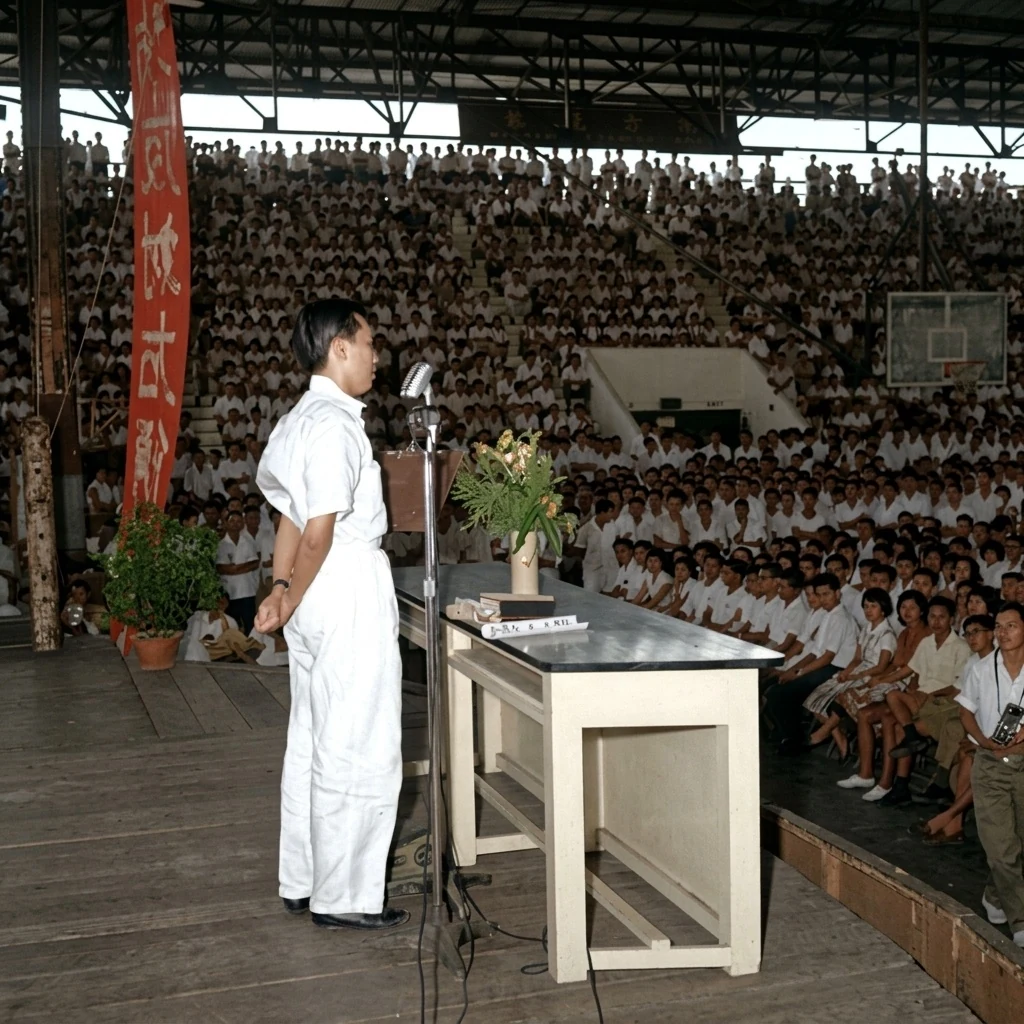
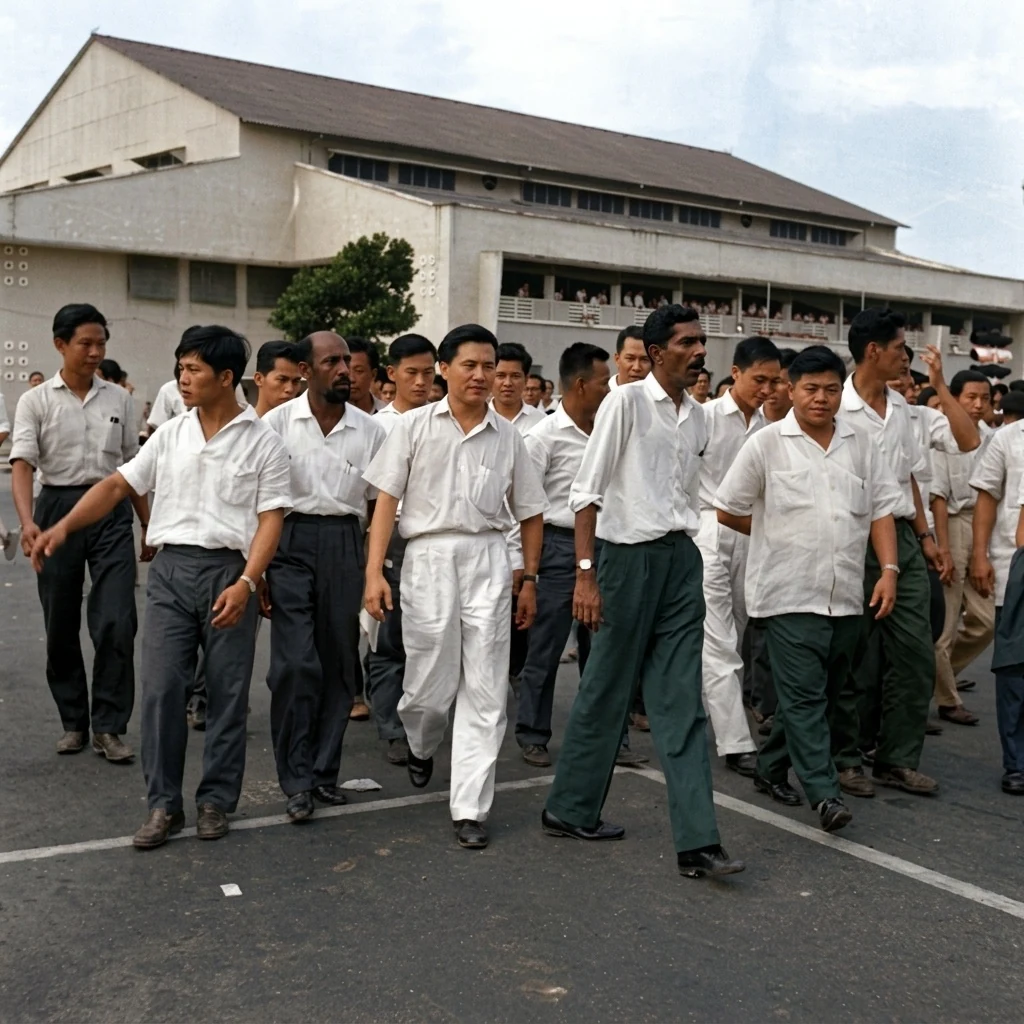
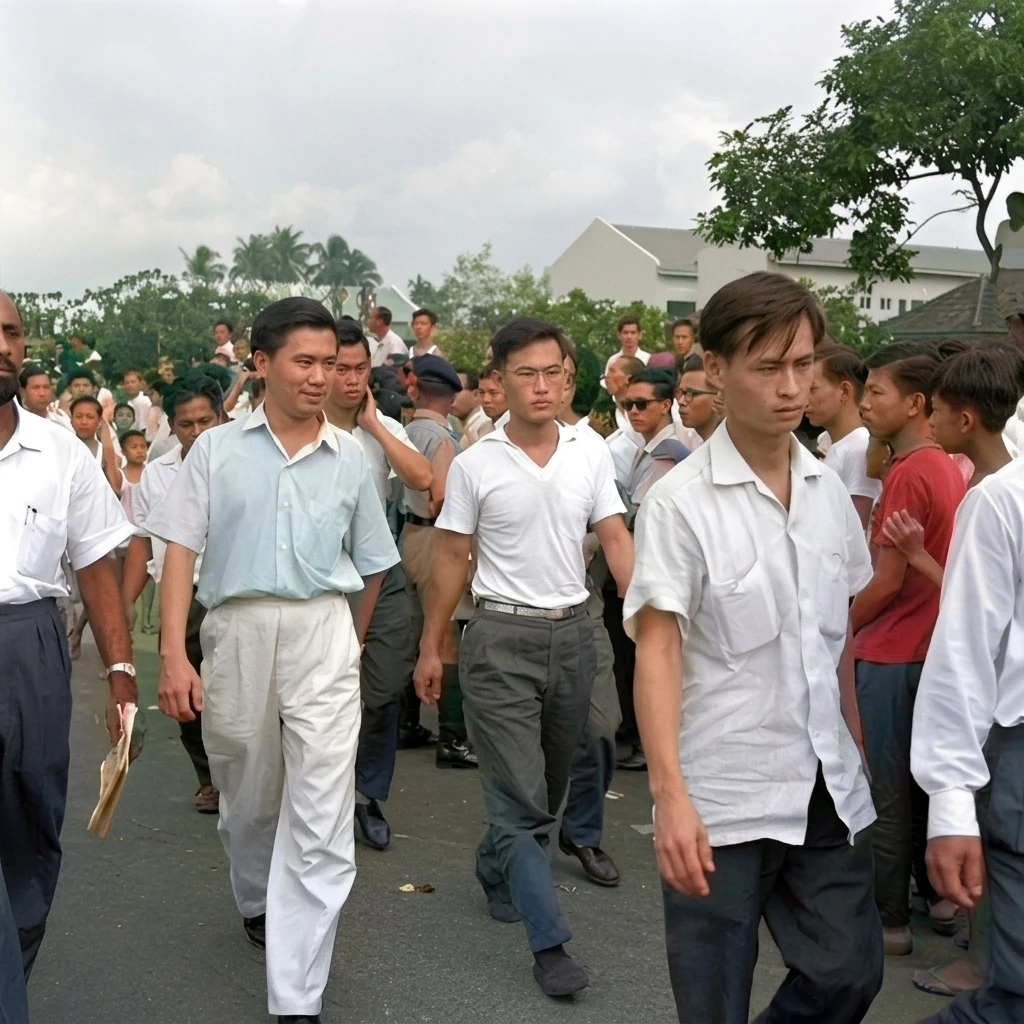
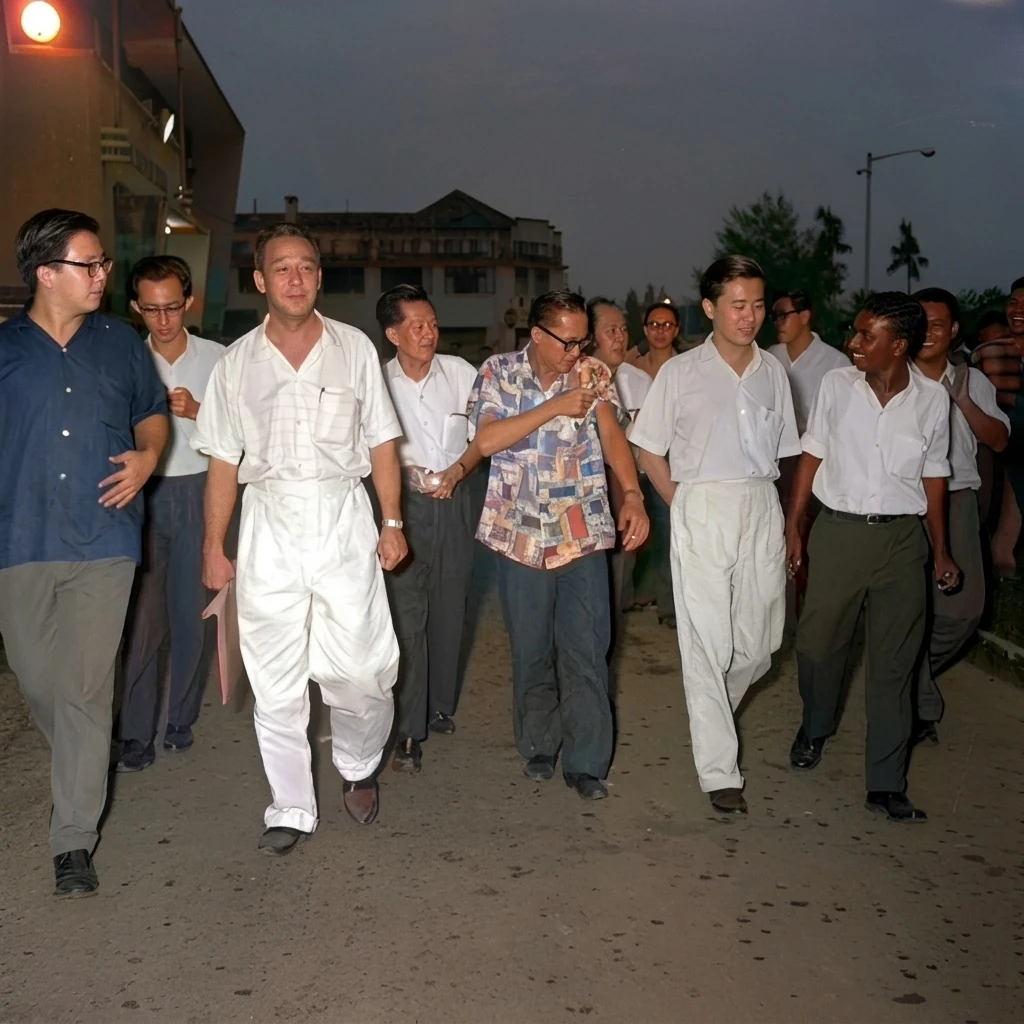
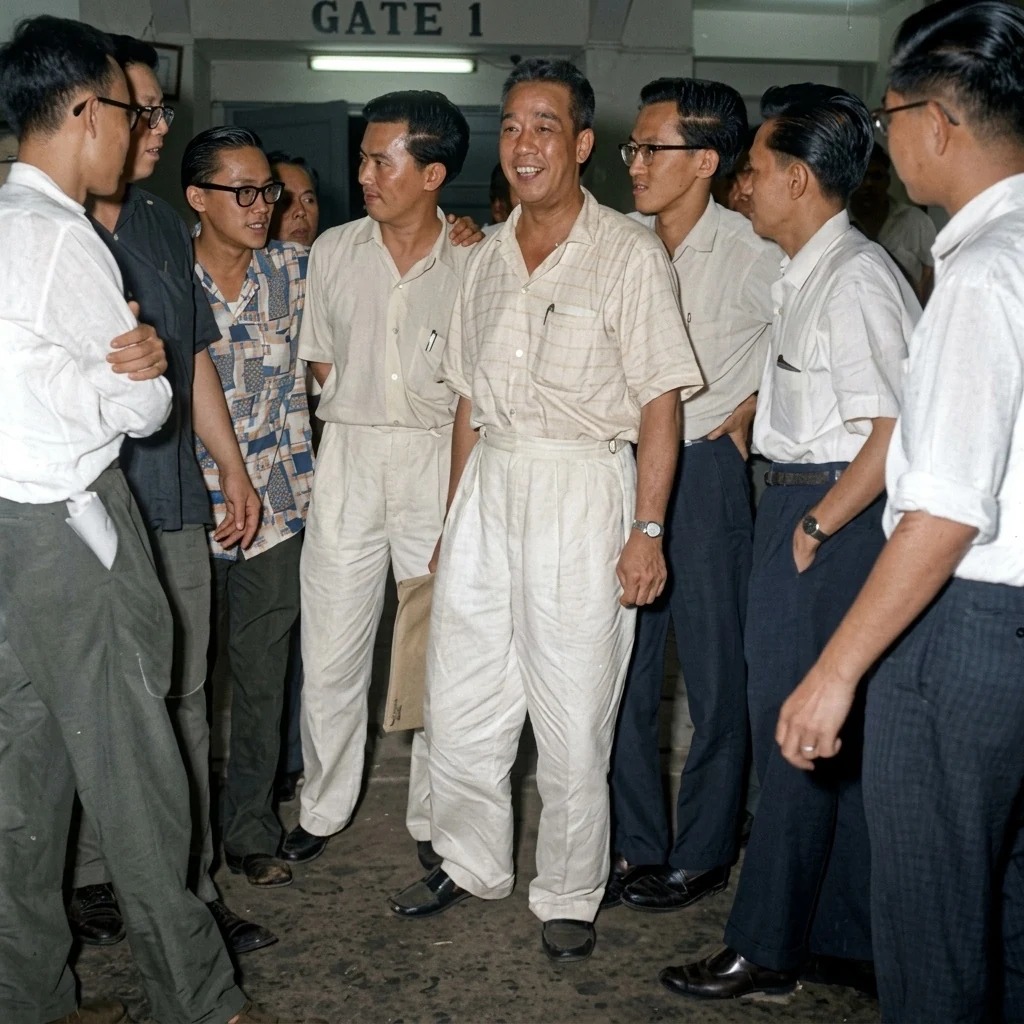
面对在自由公正的选举中必败于社阵的政治危局,李光耀最终图穷匕见,走出“釜底抽薪”的最后一步:在1963年大选举行前联合英殖民当局与马来亚政府动用《内部安全法令》,对昔日将自己推上执政地位的左翼盟友实施先发制人的毁灭性大逮捕。英国国家档案馆解密的殖民地部绝密卷宗《CO 1030/1164》(收录1961至1962年新加坡内部安全理事会第22、26、27次会议记录)以及英国政府文件《DO 187/15-16》(冷藏行动方案)铁证如山地记录了这一政治清洗的真实动机:英国驻新加坡官员在呈报伦敦的密电中明确写道,“总理希望把逮捕行动安排在下届选举前削弱社阵”,企图以此“一次性瓦解共产党统一战线”。
1963年2月2日凌晨,由英国、新加坡与马来亚联合邦三方代表组成的内部安全理事会正式发动代号为“冷藏行动”(又译冷库行动)的全岛大搜捕。军警在拂晓前突袭社阵总部、美芝路工会、南洋大学及各报馆,在未经任何法庭审讯的情况下,依据《内部安全法》一举逮捕了林清祥、方水双、兀哈尔、普图遮里、林福寿医生、傅树介医生、《马来前锋报》前总编辑赛·扎哈利、全国海员工会秘书何标等113名(后续扩及逾130名)最核心的反对党领袖、工会骨干、大学学运先锋与新闻界人士,使社阵瞬间失去最得力的竞选统帅与大批拟参选候选人。
Facing certain electoral defeat at the hands of the Barisan Sosialis in a free contest, Lee Kuan Yew executed the final blow of his political betrayal: colluding with British colonial and Malayan authorities to invoke the Internal Security Act (ISA) prior to the 1963 general election against the very left-wing allies who had brought him to power. Declassified files at the UK National Archives (Kew), specifically File CO 1030/1164 (containing Internal Security Council minutes for Meetings 22, 26, and 27 in 1961–1962) and File DO 187/15-16 (Operation Coldstore Action Plan), irrefutably document the political motive: British officials recorded that 'The Prime Minister wishes the arrests timed to weaken Barisan before the next election' in order to 'cripple the Communist United Front once and for all.'
In the pre-dawn hours of February 2, 1963, security forces launched Operation Coldstore, detaining 113 (and ultimately over 130) top Barisan Sosialis, trade union, Nanyang University student, and journalistic leaders without trial under the ISA, including Lim Chin Siong, Fong Swee Suan, Sandrasegaran Woodhull, James Puthucheary, Dr. Lim Hock Siew, Dr. Poh Soo Kai, Said Zahari, and National Seamen's Union Secretary Ho Piao.
总理希望把逮捕行动安排在下届选举前削弱社阵……以一次性瓦解共产党统一战线。The Prime Minister wishes the arrests timed to weaken Barisan before the next election... to cripple the Communist United Front once and for all.— 英国国家档案馆解密卷宗 CO 1030/1164(1961–1962年新加坡内部安全理事会第22、26、27次会议记录)及英国政府文件 DO 187/15-16(1961–1963年《冷藏行动方案》) | The National Archives (Kew), UK: File CO 1030/1164 (Internal Security Council Minutes, Meetings 22, 26, and 27, 1961–1962) and File DO 187/15-16 (Operation Coldstore Action Plan, 1961–1963)
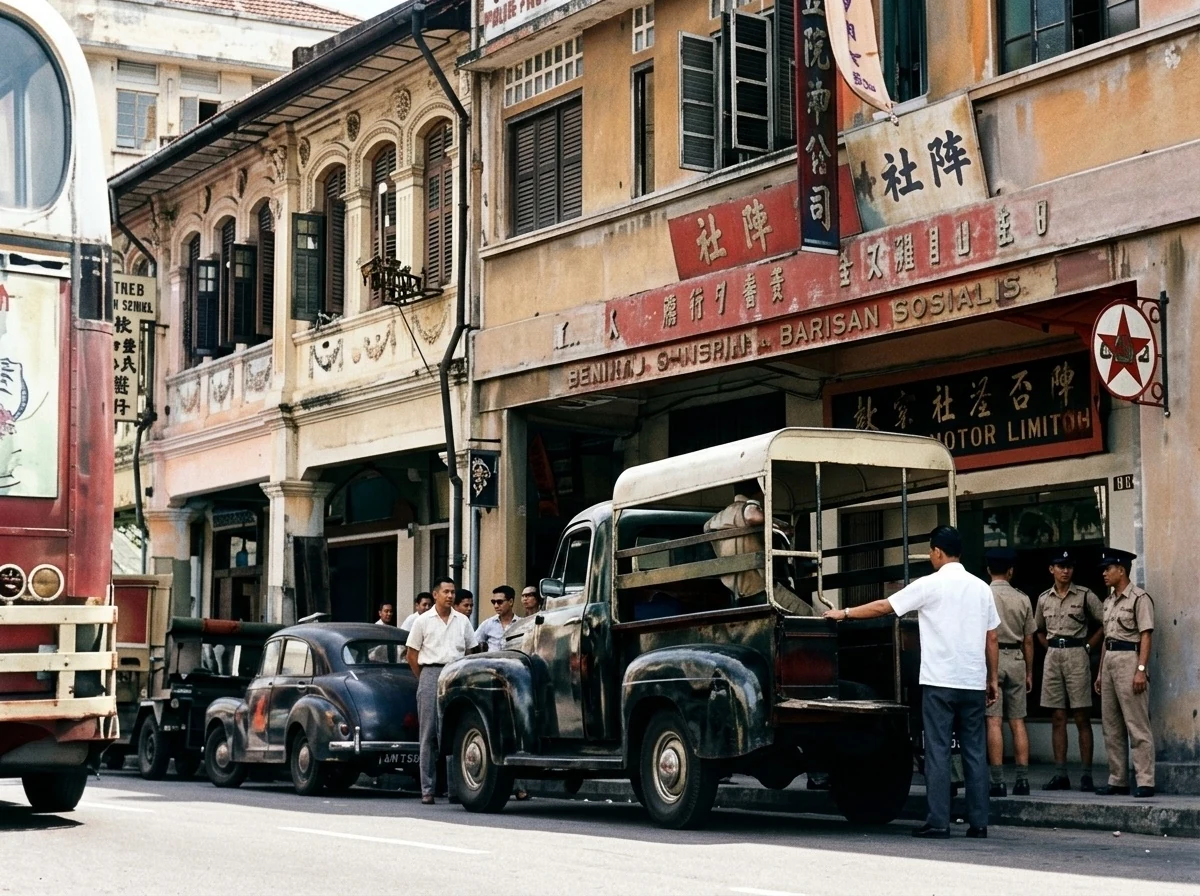
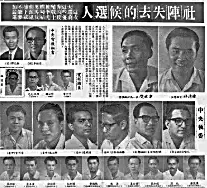
在“冷藏行动”将社阵第一梯队领袖几乎全部关入监牢后,1963年9月16日,新加坡正式并入马来西亚联邦;仅五天后的9月21日,李光耀突击举行新加坡立法议会大选(竞选期仅短短九天),人民行动党借机夺得51席中的37席,而在遭受灭顶之灾的情况下,社会主义阵线依然赢得13席及逾三成选票。为彻底剥夺社阵在议会内外的抵抗能力,当局紧接着于1963年10月8日(新议会尚未召开之前)再度发动代号为“粉碎行动”的大逮捕,将刚当选武吉知马区议员的李诗东(此后无审讯关押18年至1981年)、刚当选议员的左翼女工运领袖卢妙娥(又作卢妙萍,累计无审讯关押10年)等社阵新当选议员及工会骨干悉数拘捕;再次当选议员的原总理公署政务次长、马共党员陈新嵘则为躲避“粉碎行动”被迫转入地下并辗转出走印尼与中国,其后在湖南为马共设立的“马来亚革命之声”广播电台工作。面对当选代议士在宣誓就职前即遭捕入狱的宪政丑剧,社阵支持者抬着书写“国会民主已死亡”的巨幅黑底白字横幅走上新加坡街头抗议。
“冷藏行动”与“粉碎行动”对新加坡历史进程造成了三大深远制度后果:第一,它将《内部安全法》彻底武器化,开创了把合法的宪制反对派贴上“共产主义颠覆”标签实施无限期无审讯拘留的先例,使人民行动党得以自1959年起维持毫无间断的一党独大统治;第二,它通过对工会、学生组织、独立报章与公民社会的连根清洗,在全社会制造了持续数十年的政治恐惧与自我审查氛围;第三,极具历史讽刺意味的是,李光耀原本企图借“消灭新加坡左翼”向吉隆坡邀功以换取合并稳定,然而随着左翼这一共同对手被铲除,新马政治平衡瞬间瓦解,人民行动党与吉隆坡联盟中央政府的权力冲突全面激化,最终导致新加坡在合并不到两年后的1965年8月9日被逐出马来西亚联邦,宣告了李光耀当年“合并路线”的破产。
After Operation Coldstore locked up almost the entire first-tier leadership of the Barisan Sosialis, Singapore formally joined the Federation of Malaysia on September 16, 1963. Just five days later, on September 21, 1963, Lee Kuan Yew called a snap general election with a campaign period of only nine days; the PAP captured 37 of 51 seats, while the crippled Barisan Sosialis still won 13 seats and over 30 percent of the popular vote. To crush the remaining parliamentary opposition before the new Assembly could even convene, authorities launched Operation Pecah on October 8, 1963, arresting newly elected Barisan Sosialis MPs including Lee Tee Tong (MP for Bukit Timah, detained 18 years without trial until 1981) and Loh Miaw Gong (imprisoned without trial for a total of 10 years), while re-elected MP and CPM member Chan Sun Wing went underground and later worked at the CPM's Voice of the Malayan Revolution radio station in Hunan. Outraged Barisan supporters marched through Singapore carrying a black banner declaring 'Parliamentary Democracy Is Dead.'
Operations Coldstore and Pecah produced three far-reaching structural consequences: first, they weaponized the ISA to criminalize constitutional opposition under the label of 'communist subversion,' entrenching uninterrupted PAP dominance since 1959; second, by decapitating trade unions, student bodies, and independent journalism, they instilled a pervasive climate of fear and self-censorship across civil society; and third, with bitter historical irony, the removal of the Left destroyed the political equilibrium between Singapore and Kuala Lumpur, rapidly escalating conflicts with the federal government and culminating in Singapore's expulsion from Malaysia on August 9, 1965.
第四章:被冤者之声与良心犯群像:《内部安全法》黑牢中的铁骨铮铮(1963–1998)
Chapter 4: Voices of the Wronged and Prisoners of Conscience: Unbroken Resolve Behind ISA Bars (1963–1998)
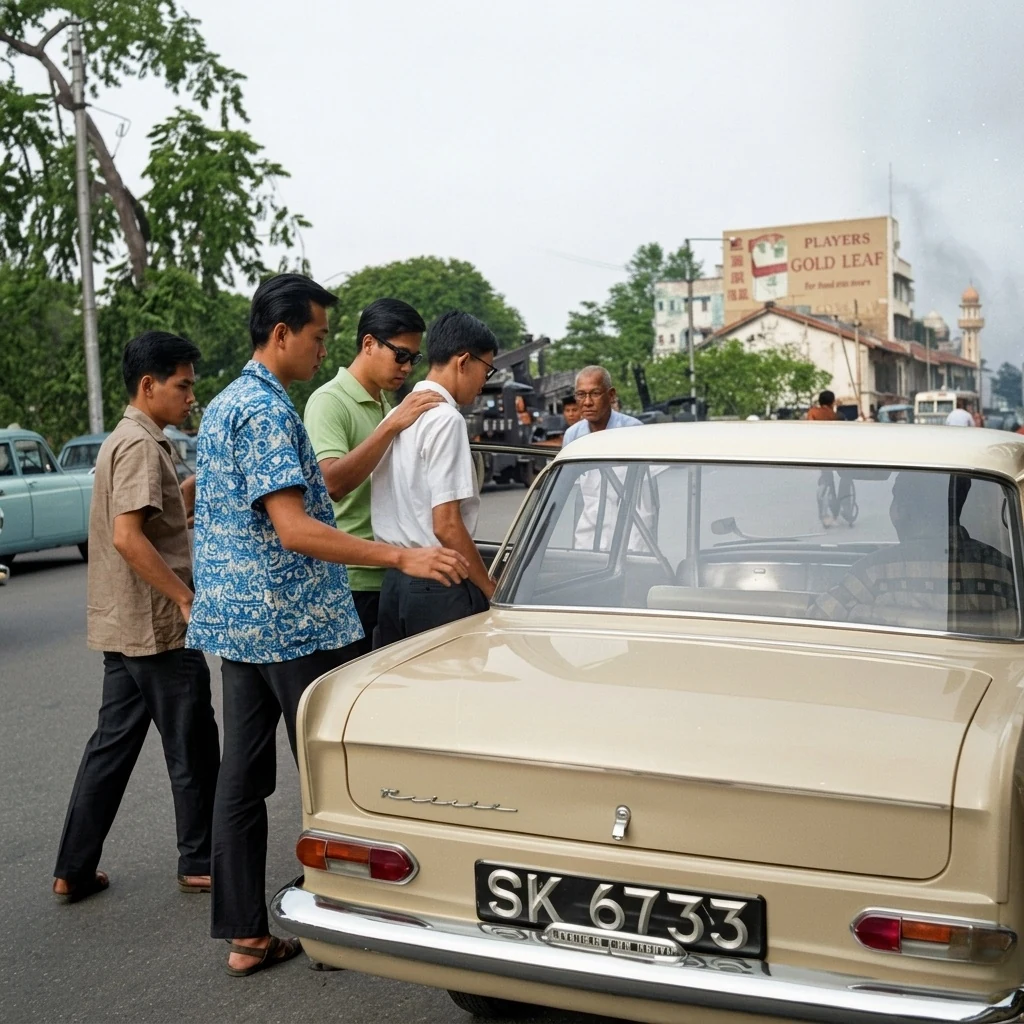
在“冷藏行动”与“粉碎行动”之后长达二三十年的岁月里,百余名拒绝签署所谓“悔过书”的马共志士、社阵议员、工会领袖与知识分子,在樟宜监狱、女皇镇监狱与明古连街、惹兰加隆政治部秘密拘留中心承受了国家支持的系统性折磨。根据1974年红十字国际委员会接获拘留者谢世基提交的调查报告记载,政治部对无审判拘留者实施了长达16个月的单独监禁、肉体殴打、冰水浇淋折磨,以及持续72小时不间断的轮番审讯,致使多名政治犯在酷刑下精神失常。
在这座不见天日的黑牢中,林清祥继1956至1959年被英殖民当局关押近三年后,于1963年再度被李光耀政府单独监禁长达六年。期间他遭受了系统性且不人道的审讯折磨(包括据称被强迫服药),导致严重的精神崩溃与忧郁症。1969年当局以放弃一切政治活动并流亡伦敦为条件将他释放。历史学者洪丽莎在《我们天空中的彗星:历史中的林清祥》(2001年)一书中披露了李光耀当年对护送林清祥前往伦敦的精神科医生所提的唯一问题,那就是林清祥是否还能心理健全到足以重返政坛,而医生的答复是否定的。林清祥于1979年重返新加坡,1996年2月5日因心肌梗塞逝世,享年63岁,数以千计的各族工友与市民自发冒雨送别这位把一生献给反殖事业的青年领袖。
面对当局“只要签署一纸悔过交易即可立即获释”的威逼利诱,1963年2月2日“冷藏行动”被捕的社阵中委林福寿医生坚守原则,拒绝为李光耀的不公拘留涂脂抹粉,在狱中整整坐穿近20年牢底(1963年至1982年)。
全国海员工会秘书何标(又名何彪,1937–2007)在长达18年的无审判拘留(1963–1981年)中承受了残酷的单独监禁与毒打;1967年他虽通过法庭人身保护令胜诉获判当庭释放,却在踏出监狱大门的瞬间再度被政治部特工重新逮捕,并于1970至1971年间在狱中展开长达100天的绝食抗争,以抗议当局对政治犯强加的强迫劳动。曾于1963年与1977年两度遭无审讯拘留的律师兼历史学者陈仁贵,在2007年4月撰文追思何标时深刻道出了当局长期监禁左翼工运志士的真实动机。
两度入狱、累计被无审判拘留16年(1963–1972年、1976–1982年)的社阵助理秘书长傅树介医生,晚年主编《火炬世代》(2009年)并出版回忆录《欺骗年代的生活》(2016年)。他在2016年4月22日访谈中回忆了李光耀早在掌权前便盘算将公共住房当作惩罚反对派选民的政治工具的往事,这也是促使他与李光耀分道扬镳的转折点。
1963年年仅22岁便当选社阵裕廊区国会议员的南洋大学物理学讲师谢太宝博士,自1966年10月被捕后,在未经任何法庭审判的情况下历经23年铁窗监禁与9年圣淘沙岛软禁限制,前后长达32年(1966–1998年),成为二十世纪全球被羁押时间最长的无审判政治良心犯。谢太宝博士于1989年发表的证言,精准剖析了人民行动党统治下所谓“议会民主制度”的一党专政实质。
In the decades following Operations Coldstore and Pecah, scores of left-wing MPs, unionists, and intellectuals who refused to sign televised 'confessions' endured systematic abuse in Changi Prison, Queenstown Remand Prison, and Internal Security Department (ISD) interrogation centers. A 1974 report submitted by detainee Chwa Seh Kea to the International Committee of the Red Cross (ICRC) documented sixteen months of solitary confinement, physical beatings, dousings with ice-cold water, and 72-hour continuous interrogation sessions that drove fellow prisoners to mental breakdown.
Following his 1956–1959 colonial imprisonment, Lim Chin Siong was held in solitary confinement for six more years (1963–1969) under the PAP government, enduring systematic and unethical interrogation practices, including the alleged administration of drugs, that induced a severe mental breakdown. Released into exile in London in 1969 on condition of renouncing politics, historian Hong Lysa disclosed in Comet in Our Sky: Lim Chin Siong in History (2001) the only question Lee Kuan Yew asked the psychiatrist escorting Lim to London: whether Lim could ever be psychologically fit enough to make a political comeback, to which the reply was in the negative. Lim returned to Singapore in 1979 and passed away on February 5, 1996 at age 63, mourned by thousands of workers and citizens.
Confronted with repeated demands that he sign a 'confession' in exchange for release, Barisan Sosialis leader Dr. Lim Hock Siew, arrested in Operation Coldstore on February 2, 1963, steadfastly refused every deal and remained imprisoned without trial for nearly 20 years until 1982.
National Seamen's Union Secretary Ho Piao (1937–2007) endured 18 years of detention without trial (1963–1981); briefly freed in 1967 via a successful habeas corpus petition, he was immediately re-arrested at the prison gates and waged a historic 100-day hunger strike in 1970–1971 against forced prison labor. Fellow former political detainee, lawyer, and historian Tan Jing Quee captured the true reason behind Ho Piao's 18-year ordeal in an April 2007 tribute.
Barisan Sosialis Assistant Secretary-General Dr. Poh Soo Kai, detained without trial for nearly ten years (1963–1972) and a further six years (1976–1982), later co-edited The Fajar Generation (2009) and authored Living in a Time of Deception (2016). In an April 22, 2016 interview, Dr. Poh recounted the moment before the PAP came to power when Lee Kuan Yew revealed his intention to weaponize public housing against voters who opposed him.
Physics lecturer and elected Barisan Sosialis MP for Jurong Dr. Chia Thye Poh, arrested in October 1966, endured 23 years of prison detention and 9 years of internal exile on Sentosa Island without trial, a total of 32 years (1966–1998), making him the world's longest-held political detainee without trial in the 20th century. In 1989, Dr. Chia exposed how the PAP practiced one-party rule behind a facade of 'Faked Parliamentary Democracy' in which minor parties were permitted only as 'sparring partners.'
在“冷藏行动”与“粉碎行动”之后长达二三十年的岁月里,百余名拒绝签署所谓“悔过书”的马共志士、社阵议员、工会领袖与知识分子,在樟宜监狱、女皇镇监狱与明古连街、惹兰加隆政治部秘密拘留中心承受了国家支持的系统性折磨。根据1974年红十字国际委员会接获拘留者谢世基提交的调查报告记载,政治部对无审判拘留者实施了长达16个月的单独监禁、肉体殴打、冰水浇淋折磨,以及持续72小时不间断的轮番审讯,致使多名政治犯在酷刑下精神失常。
在这座不见天日的黑牢中,林清祥继1956至1959年被英殖民当局关押近三年后,于1963年再度被李光耀政府单独监禁长达六年。期间他遭受了系统性且不人道的审讯折磨(包括据称被强迫服药),导致严重的精神崩溃与忧郁症。1969年当局以放弃一切政治活动并流亡伦敦为条件将他释放。历史学者洪丽莎在《我们天空中的彗星:历史中的林清祥》(2001年)一书中披露了李光耀当年对护送林清祥前往伦敦的精神科医生所提的唯一问题,那就是林清祥是否还能心理健全到足以重返政坛,而医生的答复是否定的。林清祥于1979年重返新加坡,1996年2月5日因心肌梗塞逝世,享年63岁,数以千计的各族工友与市民自发冒雨送别这位把一生献给反殖事业的青年领袖。
In the decades following Operations Coldstore and Pecah, scores of left-wing MPs, unionists, and intellectuals who refused to sign televised 'confessions' endured systematic abuse in Changi Prison, Queenstown Remand Prison, and Internal Security Department (ISD) interrogation centers. A 1974 report submitted by detainee Chwa Seh Kea to the International Committee of the Red Cross (ICRC) documented sixteen months of solitary confinement, physical beatings, dousings with ice-cold water, and 72-hour continuous interrogation sessions that drove fellow prisoners to mental breakdown.
Following his 1956–1959 colonial imprisonment, Lim Chin Siong was held in solitary confinement for six more years (1963–1969) under the PAP government, enduring systematic and unethical interrogation practices, including the alleged administration of drugs, that induced a severe mental breakdown. Released into exile in London in 1969 on condition of renouncing politics, historian Hong Lysa disclosed in Comet in Our Sky: Lim Chin Siong in History (2001) the only question Lee Kuan Yew asked the psychiatrist escorting Lim to London: whether Lim could ever be psychologically fit enough to make a political comeback, to which the reply was in the negative. Lim returned to Singapore in 1979 and passed away on February 5, 1996 at age 63, mourned by thousands of workers and citizens.
李光耀对护送林清祥前往伦敦的精神科医生只提了一个问题,那就是林清祥是否还能心理健全到足以重返政坛。答复是否定的。Lee Kuan Yew had only one question for the psychiatrist escorting Lim Chin Siong to London, and that was whether Lim could ever be psychologically fit enough to make a political comeback. The reply was in the negative.— 历史学者洪丽莎撰,收入陈仁贵、佐摩主编《我们天空中的彗星:历史中的林清祥》(2001年,ISBN: 978-9839602145) | Historian Hong Lysa, in Tan Jing Quee and Jomo K. S. (eds.), Comet in Our Sky: Lim Chin Siong in History (2001, ISBN: 978-9839602145)
面对当局“只要签署一纸悔过交易即可立即获释”的威逼利诱,1963年2月2日“冷藏行动”被捕的社阵中委林福寿医生坚守原则,拒绝为李光耀的不公拘留涂脂抹粉,在狱中整整坐穿近20年牢底(1963年至1982年)。
Confronted with repeated demands that he sign a 'confession' in exchange for release, Barisan Sosialis leader Dr. Lim Hock Siew, arrested in Operation Coldstore on February 2, 1963, steadfastly refused every deal and remained imprisoned without trial for nearly 20 years until 1982.
我绝不会替李光耀保全面子。这不是个人自尊的问题,而是原则问题。对我实施的拘留是完全没有正当理由的,我绝不会动一根手指去帮李光耀为这种不公辩护。I am not interested in saving Lee Kuan Yew's face. This is not a question of pride but one of principle. My detention is completely unjustifiable and I will not lift a single finger to help Lee Kuan Yew to justify the unjustifiable.— 林福寿医生(1931年2月21日–2012年6月4日,社会主义阵线中委,1963年至1982年遭无审判拘留近二十年) | Dr. Lim Hock Siew (February 21, 1931 – June 4, 2012, Barisan Sosialis leader detained without trial for nearly 20 years, 1963–1982)
全国海员工会秘书何标(又名何彪,1937–2007)在长达18年的无审判拘留(1963–1981年)中承受了残酷的单独监禁与毒打;1967年他虽通过法庭人身保护令胜诉获判当庭释放,却在踏出监狱大门的瞬间再度被政治部特工重新逮捕,并于1970至1971年间在狱中展开长达100天的绝食抗争,以抗议当局对政治犯强加的强迫劳动。曾于1963年与1977年两度遭无审讯拘留的律师兼历史学者陈仁贵,在2007年4月撰文追思何标时深刻道出了当局长期监禁左翼工运志士的真实动机。
National Seamen's Union Secretary Ho Piao (1937–2007) endured 18 years of detention without trial (1963–1981); briefly freed in 1967 via a successful habeas corpus petition, he was immediately re-arrested at the prison gates and waged a historic 100-day hunger strike in 1970–1971 against forced prison labor. Fellow former political detainee, lawyer, and historian Tan Jing Quee captured the true reason behind Ho Piao's 18-year ordeal in an April 2007 tribute.
他被拘留不是因为他可能会使用暴力,而是因为人们害怕他(何标)所代表的思想和愿景。他们长期的监禁与苦难,是对政治不自由现状最沉痛、最悲剧性的写照。Detained not because of his potential for violence, but because of fear of the visions and ideas he (Ho Piao) represented. Their long incarceration and travails is a sad and tragic commentary on the state of political unfreedom.— 陈仁贵(律师、历史学者,1963年与1977年两度遭无审讯拘留),《何标:个人回忆与致敬》(2007年4月) | Tan Jing Quee (lawyer and historian, detained without trial in 1963 and 1977), 'Ho Piao: A Personal Tribute' (April 2007)
两度入狱、累计被无审判拘留16年(1963–1972年、1976–1982年)的社阵助理秘书长傅树介医生,晚年主编《火炬世代》(2009年)并出版回忆录《欺骗年代的生活》(2016年)。他在2016年4月22日访谈中回忆了李光耀早在掌权前便盘算将公共住房当作惩罚反对派选民的政治工具的往事,这也是促使他与李光耀分道扬镳的转折点。
Barisan Sosialis Assistant Secretary-General Dr. Poh Soo Kai, detained without trial for nearly ten years (1963–1972) and a further six years (1976–1982), later co-edited The Fajar Generation (2009) and authored Living in a Time of Deception (2016). In an April 22, 2016 interview, Dr. Poh recounted the moment before the PAP came to power when Lee Kuan Yew revealed his intention to weaponize public housing against voters who opposed him.
在掌权前,李光耀曾问我该做什么。我回答,首先要建房子。他同意,却说如果人民不支持,他会让他们把行李丢到街上。我当时非常震惊。对我来说,住房是为了人民的需要,而不是政治工具。从那时起,我开始与他渐行渐远。Before he came to power, Lee Kuan Yew once asked me what should be done. I told him, first of all, build housing. He agreed, then said, if people voted against him, their belongings would be on the streets. I was stunned. To me, housing was about people's needs, not a political weapon. That was when I began to move away from him.— 傅树介医生(社阵助理秘书长,累计遭无审判拘留16年),2016年4月22日访谈录 | Dr. Poh Soo Kai (Barisan Sosialis Assistant Secretary-General, detained without trial for 16 years), interview on April 22, 2016
1963年年仅22岁便当选社阵裕廊区国会议员的南洋大学物理学讲师谢太宝博士,自1966年10月被捕后,在未经任何法庭审判的情况下历经23年铁窗监禁与9年圣淘沙岛软禁限制,前后长达32年(1966–1998年),成为二十世纪全球被羁押时间最长的无审判政治良心犯。谢太宝博士于1989年发表的证言,精准剖析了人民行动党统治下所谓“议会民主制度”的一党专政实质。
Physics lecturer and elected Barisan Sosialis MP for Jurong Dr. Chia Thye Poh, arrested in October 1966, endured 23 years of prison detention and 9 years of internal exile on Sentosa Island without trial, a total of 32 years (1966–1998), making him the world's longest-held political detainee without trial in the 20th century. In 1989, Dr. Chia exposed how the PAP practiced one-party rule behind a facade of 'Faked Parliamentary Democracy' in which minor parties were permitted only as 'sparring partners.'
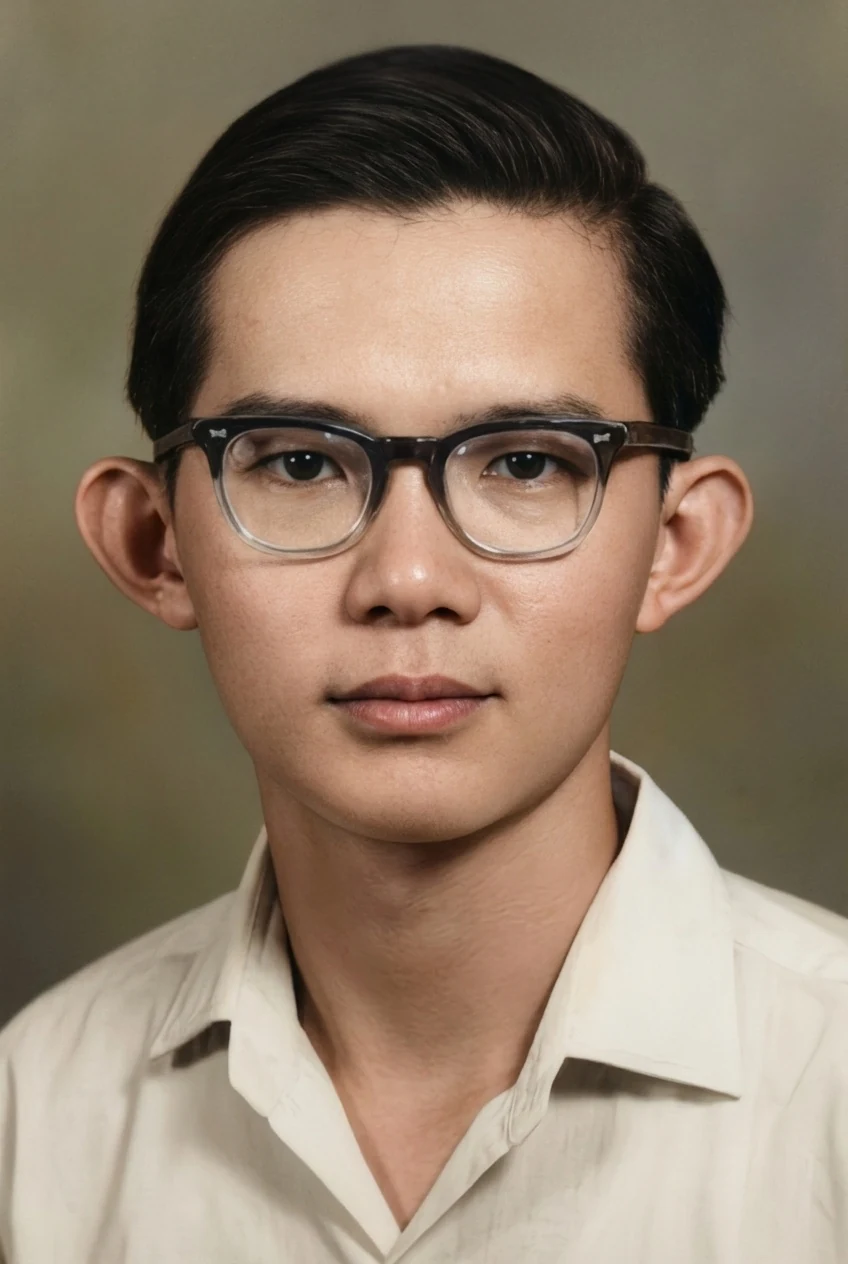
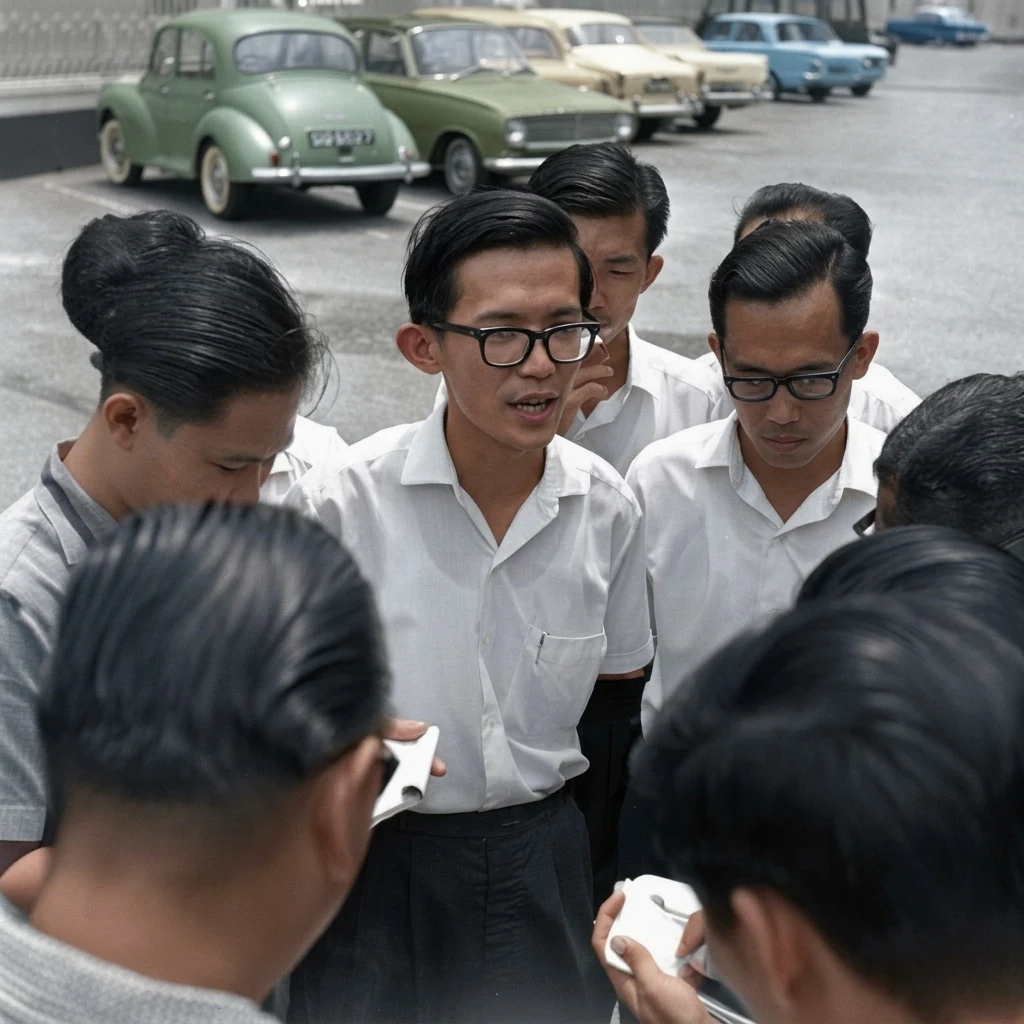
在人民行动党的统治下,没有真正的议会民主。从本质上说,它实行的是“一党专政”。它似乎想继续作为唯一的主导政党,而其他小党只能充当边缘反对派和行动党新任议员的“陪练伙伴”。反对党永远不会被允许发展壮大。Under the PAP rule, there is no genuine parliamentary democracy. In essence, it has been practising a one-party rule. It seems to want to remain as the sole, dominant party, with other small parties acting as marginal opposition and 'sparring partners' for new PAP MPs. The opposition parties will never be allowed to grow strong.— 谢太宝博士(南洋大学物理讲师、社阵民选国会议员),1989年(自1966年起遭无审判拘留与限制长达32年) | Dr. Chia Thye Poh (Physics lecturer and elected Barisan Sosialis MP, detained for 32 years without trial), 1989
第五章:曼谷历史性握手与直面曲折的政治担当:赛·扎哈利与陈平的世纪对话(1999)
Chapter 5: The Historic Bangkok Handshake and Political Accountability: The 1999 Dialogue Between Said Zahari and Chin Peng
1963年“冷藏行动”中与林清祥等人一同被捕的前《马来前锋报》总编辑、新加坡人民党主席赛·扎哈利(1928–2016),在未经任何审讯的情况下被关押长达17年,直至1979年方才获释。这位坚贞不屈的马来族反殖报人与多产诗人,对于1957至1959年间马共星洲工委会全权代表方壮璧在同李光耀秘密谈判时所作出的单向妥协,包括强令工人党市议员郑越东辞职,以及在1959年大选中阻挠人民党参选、把全部政治筹码押在李光耀身上,始终怀有深切的痛惜与严肃的批评。
1999年5月18日,历经十七载铁窗磨难的赛·扎哈利与马来亚共产党总书记陈平在泰国曼谷朱拉隆功大学举行了历史性的会晤。在会谈中,赛·扎哈利坦率而严厉地批评了1957至1959年马共星洲工委会对李光耀的一系列妥协政策,直言这些举措客观上损害了新加坡多元左翼力量的独立性,而1963年的“冷藏行动”则彻底暴露了李光耀早有预谋的反共立场。面对这位马来族战友跨越四十年的率直批评,陈平没有作任何推诿,而是坦承当年马共对李光耀的政治本质抱有天真幻想,并指出由于当时马共中央深处丛林、与新加坡地下组织的无线电及交通联络极度受限,往往只能在事后数月才获知星洲工委会的具体决定。陈平紧握着赛·扎哈利的手,请求他不要把全部责任怪在方壮璧一人肩上,并以马共中央总书记的身份郑重承担起全部历史责任。
1999年曼谷的这一席肺腑之言,跨越了半个世纪的风雨沧桑。它不仅以第一手历史见证还原了1950年代末马共星洲工委会与李光耀统战博弈中的真实曲折,更展现出陈平作为无产阶级革命家不文过饰非、不推卸责任、敢于直面历史局限的坦荡胸怀与政治品格。那些在新加坡去殖民化进程中献出青春、自由乃至生命的马共志士与各族良心犯,其历史功绩与道德风骨,早已镌刻在东南亚反殖民主运动的不朽史册之中。
Former Utusan Melayu editor-in-chief and Singapore People's Party leader Said Zahari (1928–2016), who was arrested during Operation Coldstore in February 1963 and detained without trial for 17 years until 1979, long held deep reservations regarding the concessions made by the CPM Singapore Working Committee to Lee Kuan Yew between 1957 and 1959, specifically pressuring Workers' Party City Councillor Chang Yuen Tong to resign and undermining People's Party candidates in the 1959 election.
On May 18, 1999, Said Zahari and CPM Secretary-General Chin Peng met in Bangkok. During their conversation, Said Zahari frankly criticized the CPM Singapore Working Committee's 1957–1959 concessions to Lee Kuan Yew, noting that Operation Coldstore in 1963 had conclusively laid bare Lee's anti-communist agenda. Listening with candor and humility, Chin Peng acknowledged that the Party had been politically naive regarding Lee Kuan Yew and explained how severe wartime communication delays between the jungle Central Committee and Singapore had compounded the decision-making errors. Holding Said Zahari's hand, Chin Peng asked him not to place the blame solely on Fong Chong Pik and accepted full responsibility as General Secretary of the CPM.
The May 18, 1999 dialogue in Bangkok stands as a landmark of historical candor. Not only does it clarify the strategic complexities and miscalculations of the late-1950s united front in Singapore, it exemplifies the political integrity of Chin Peng in openly acknowledging historical limitations and shouldering collective responsibility, honoring the enduring legacy of the CPM cadres and prisoners of conscience who sacrificed decades of their lives for Singapore's anti-colonial emancipation.
1963年“冷藏行动”中与林清祥等人一同被捕的前《马来前锋报》总编辑、新加坡人民党主席赛·扎哈利(1928–2016),在未经任何审讯的情况下被关押长达17年,直至1979年方才获释。这位坚贞不屈的马来族反殖报人与多产诗人,对于1957至1959年间马共星洲工委会全权代表方壮璧在同李光耀秘密谈判时所作出的单向妥协,包括强令工人党市议员郑越东辞职,以及在1959年大选中阻挠人民党参选、把全部政治筹码押在李光耀身上,始终怀有深切的痛惜与严肃的批评。
1999年5月18日,历经十七载铁窗磨难的赛·扎哈利与马来亚共产党总书记陈平在泰国曼谷朱拉隆功大学举行了历史性的会晤。在会谈中,赛·扎哈利坦率而严厉地批评了1957至1959年马共星洲工委会对李光耀的一系列妥协政策,直言这些举措客观上损害了新加坡多元左翼力量的独立性,而1963年的“冷藏行动”则彻底暴露了李光耀早有预谋的反共立场。面对这位马来族战友跨越四十年的率直批评,陈平没有作任何推诿,而是坦承当年马共对李光耀的政治本质抱有天真幻想,并指出由于当时马共中央深处丛林、与新加坡地下组织的无线电及交通联络极度受限,往往只能在事后数月才获知星洲工委会的具体决定。陈平紧握着赛·扎哈利的手,请求他不要把全部责任怪在方壮璧一人肩上,并以马共中央总书记的身份郑重承担起全部历史责任。
Former Utusan Melayu editor-in-chief and Singapore People's Party leader Said Zahari (1928–2016), who was arrested during Operation Coldstore in February 1963 and detained without trial for 17 years until 1979, long held deep reservations regarding the concessions made by the CPM Singapore Working Committee to Lee Kuan Yew between 1957 and 1959, specifically pressuring Workers' Party City Councillor Chang Yuen Tong to resign and undermining People's Party candidates in the 1959 election.
On May 18, 1999, Said Zahari and CPM Secretary-General Chin Peng met in Bangkok. During their conversation, Said Zahari frankly criticized the CPM Singapore Working Committee's 1957–1959 concessions to Lee Kuan Yew, noting that Operation Coldstore in 1963 had conclusively laid bare Lee's anti-communist agenda. Listening with candor and humility, Chin Peng acknowledged that the Party had been politically naive regarding Lee Kuan Yew and explained how severe wartime communication delays between the jungle Central Committee and Singapore had compounded the decision-making errors. Holding Said Zahari's hand, Chin Peng asked him not to place the blame solely on Fong Chong Pik and accepted full responsibility as General Secretary of the CPM.
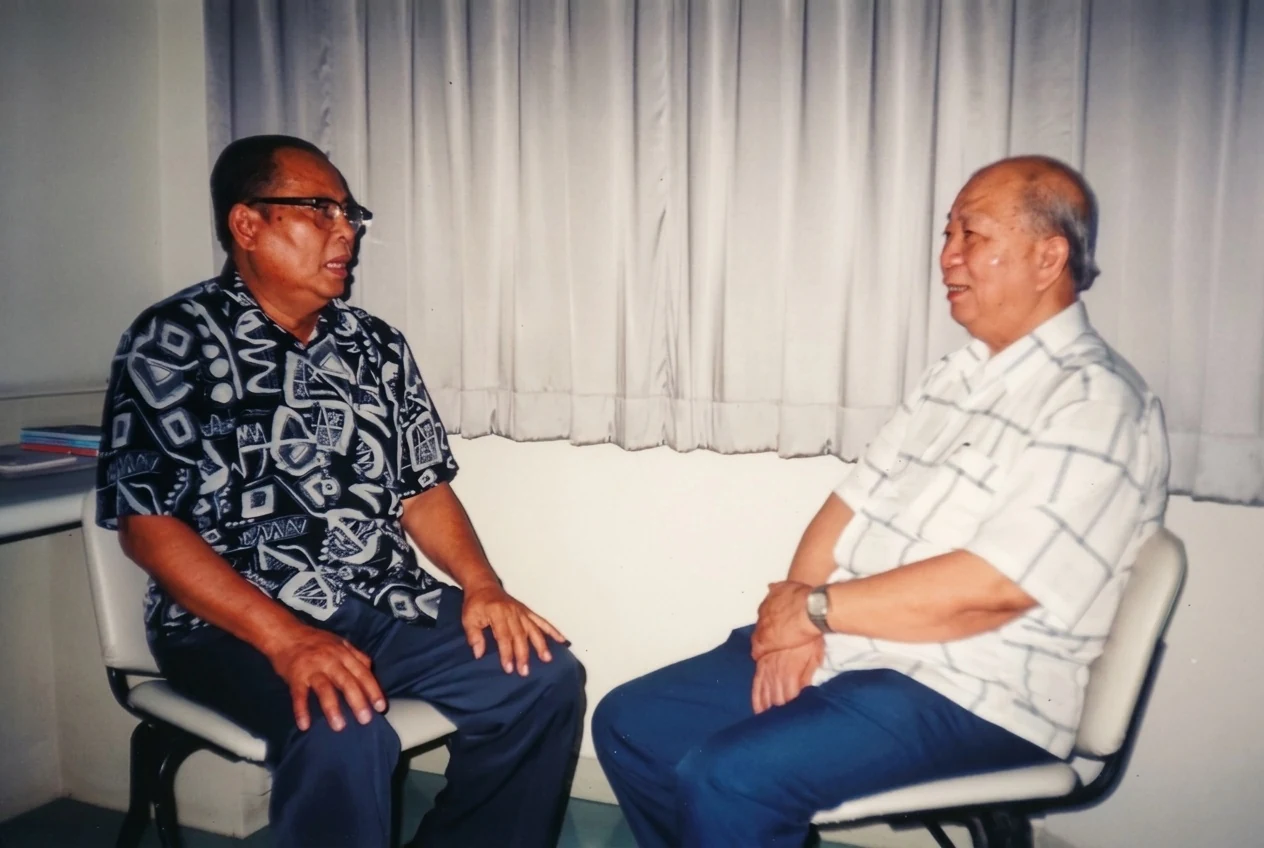
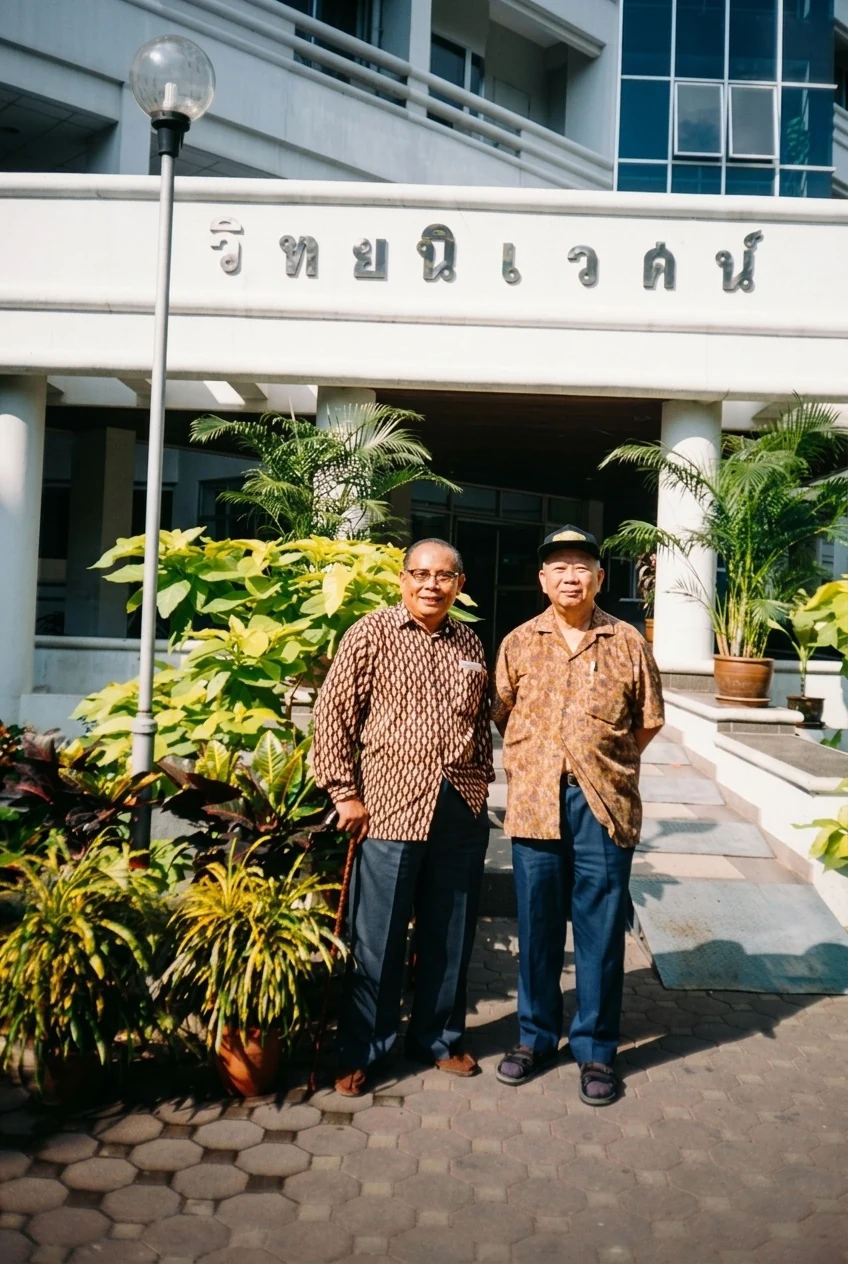
陈平握着我的手说:“赛·扎哈利兄弟,我求你别把整个责任怪在方壮璧肩上。作为马来亚共产党的总书记,我才应该负起全责。而我现在告诉你,我负起这个责任。”从这句话,我在陈平身上看到一个伟人。他说我很坦率和真诚地批评马共在这个方面的政策。现在我发现,陈平也一样坦率和真诚。更重要的是,陈平作为一名共产党人,他像伟大领袖那样,勇于接受批评和勇于负起责任。在这方面,我向陈平敬礼。Chin Peng held my hand and said: 'Brother Said Zahari, I ask you not to place the entire blame on Fong Chong Pik. As the General Secretary of the Malayan Communist Party, I am the one who should bear full responsibility. And I tell you now, I take that responsibility.' From these words, I saw a great man in Chin Peng. He said that I had very frankly and sincerely criticized the Party's policy in this respect. Now I find that Chin Peng is equally frank and sincere. More importantly, as a communist, he, like a great leader, had the courage to accept criticism and to shoulder responsibility. In this respect, I salute Chin Peng.— 赛·扎哈利(前《马来前锋报》总编辑、1963至1979年遭无审判拘留十七年),记录1999年5月18日于曼谷与马共总书记陈平会谈的回忆录原文 | Said Zahari (former Editor-in-Chief of Utusan Melayu, detained without trial for 17 years, 1963–1979), recording his May 18, 1999 meeting with CPM Secretary-General Chin Peng in Bangkok
1999年曼谷的这一席肺腑之言,跨越了半个世纪的风雨沧桑。它不仅以第一手历史见证还原了1950年代末马共星洲工委会与李光耀统战博弈中的真实曲折,更展现出陈平作为无产阶级革命家不文过饰非、不推卸责任、敢于直面历史局限的坦荡胸怀与政治品格。那些在新加坡去殖民化进程中献出青春、自由乃至生命的马共志士与各族良心犯,其历史功绩与道德风骨,早已镌刻在东南亚反殖民主运动的不朽史册之中。
The May 18, 1999 dialogue in Bangkok stands as a landmark of historical candor. Not only does it clarify the strategic complexities and miscalculations of the late-1950s united front in Singapore, it exemplifies the political integrity of Chin Peng in openly acknowledging historical limitations and shouldering collective responsibility, honoring the enduring legacy of the CPM cadres and prisoners of conscience who sacrificed decades of their lives for Singapore's anti-colonial emancipation.