第17集:星洲抗英同盟:白色恐怖下的城市地下战线(1948–1957)
Episode 17: The Singapore Anti-British League: The Urban Underground Front Under Colonial Rule (1948–1957)
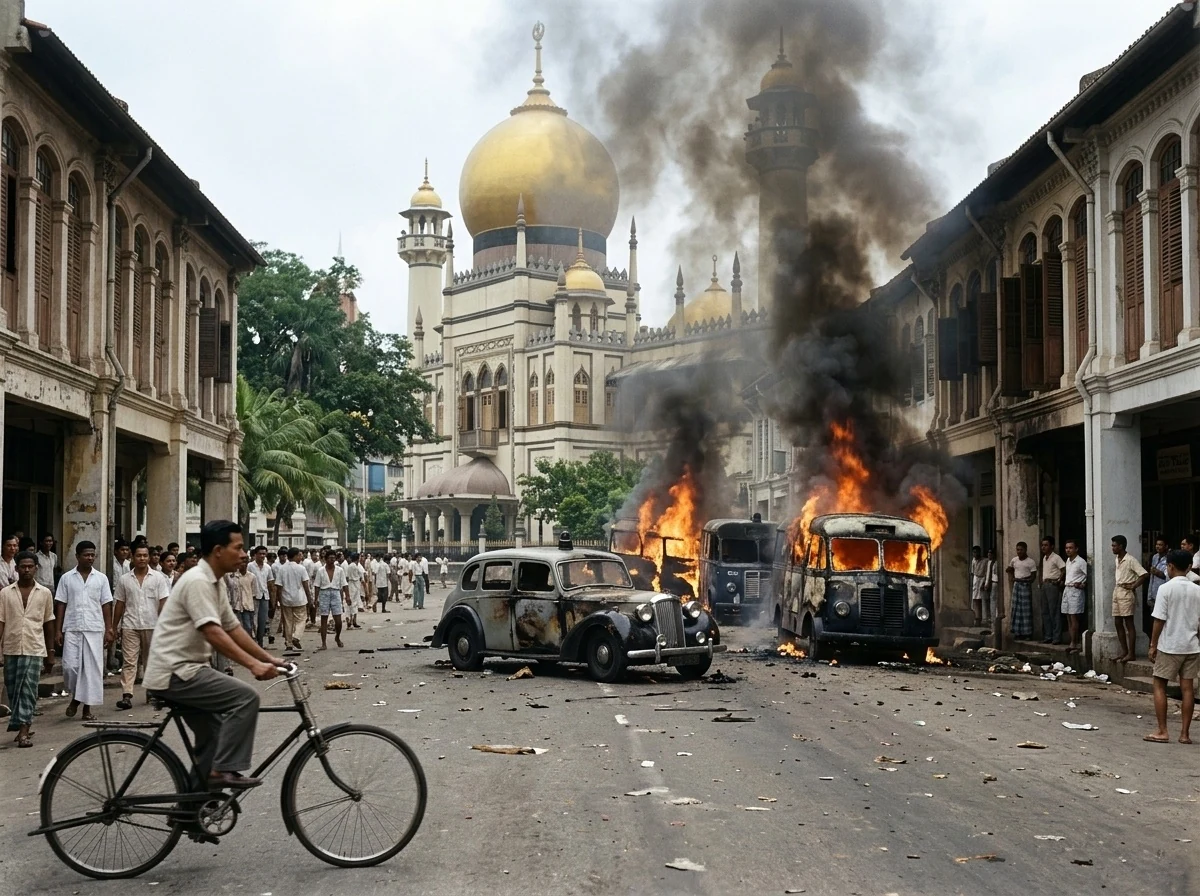
1948年8月,马共星洲市委在《紧急状态条例》的白色恐怖下完成改组,并于同年9月正式创立秘密地下组织“星洲抗英同盟”。从马大校园内余柱业、林建才、约翰·依伯主持英语支部秘密印行《自由报》与《战讯》,到1951年1月三十四名跨族裔精英遭大搜捕,抗英同盟在逾千人被捕流放的酷烈环境中仍发展出逾三千名成员、领导两百余个群众团体,并于1954年底成功转向公开合法斗争,为新加坡反殖群众大风暴奠定了坚实的组织基石。
In August 1948, the CPM Singapore City Committee reorganized under Emergency rule and established the clandestine Anti-British League (ABL) in September 1948. From the ABL English Branch led by Eu Chooi Yip, Lim Kean Chye, and John Eber publishing Freedom News and Battle Front to the January 1951 roundup of 34 multi-ethnic intellectuals, the ABL expanded past 3,000 members leading over 200 organizations by 1953 before pivoting to open legal struggle in late 1954 and dissolving in June 1957.
第一章:紧急状态下的星洲市委改组:抗英同盟的秘密建制
Chapter 1: Restructuring the CPM Singapore City Committee Under the Emergency: Founding the Anti-British League
1948年6月英国殖民政府颁布《紧急状态条例》前后,马来亚共产党预判殖民当局即将发动全面搜捕,遂提前组织大批已在公开工运与社团中暴露身份的党员干部撤往马来半岛内地,转入丛林游击战线。至1948年8月,留在新加坡岛内坚持地下工作的马共党员由战后初期的三四百人精简至四五十人。在极其严峻的戒严环境下,如何在孤悬海外、警特密布的新加坡重建稳固的城市地下领导核心,成为马共面临的首要组织任务。
1948年8月,马共星洲市委正式完成组织改组,由五名委员组成新的领导班子,由刘光(原名苏祖淡)出任星洲市委书记。改组后的星洲市委撤销了原有的指导委员会,在全岛重新划分为四个区委会,并相继建立起学生工作委员会(学委)、产业工人工作委员会(工委)、乡村工作委员会(乡委)以及宣传工作委员会(宣委),确立了单线联系、严密分工的城市地下党运作体制。
1948年9月,马共星洲市委正式创立秘密组织“马来亚抗英同盟”(在新加坡通称“星洲抗英同盟”,简称“抗盟”或“星抗盟”)。抗英同盟作为马共在白色恐怖时期广泛团结各阶层反殖爱国人士的桥梁与纽带,首先在市政及各业工人与华文源流中学生当中迅速扎根扩员,包括林清祥、方壮璧、陈蒙鹤、曾福华、张坚(原名黄明强)、黄茂宗、陈夏、卢业勋、詹忠谦、铁锋等一大批青年骨干相继在学运与工运战线成长起来。
抗英同盟在基层建立了严密的秘密小组制度:各支部成员不仅在工厂、乡村与学校秘密传阅反殖书刊、开展时事学习,更在极其险恶的环境中筹措经费、采购药品、印刷器材与宣传物资,源源不断地通过地下交通线支援马来半岛丛林中的民族解放军,使新加坡成为抗英民族解放战争重要的城市后勤与舆论基地。
Prior to and immediately following the British proclamation of the Emergency Regulations in June 1948, the Communist Party of Malaya preemptively withdrew scores of exposed trade union and civic cadres from Singapore to the mainland guerrilla fronts. By August 1948, the underground Party membership remaining on Singapore Island had been streamlined from 300–400 down to 40–50 core cadres. Rebuilding a resilient urban clandestine apparatus under martial rule became the Party's immediate priority.
In August 1948, the CPM Singapore City Committee completed a structural reorganization under a five-member leadership headed by Secretary Liu Guang (birth name Su Zudan). The restructured City Committee abolished the former Guidance Committee, divided the island into four District Committees, and established specialized committees for Students, Industrial Workers, Rural Areas, and Propaganda, instituting strict compartmentalized cellular discipline.
In September 1948, the CPM Singapore City Committee formally inaugurated its clandestine mass organization, the Anti-British League (ABL, or Singapore ABL). Serving as a vital organizational bridge uniting anti-colonial patriots under Emergency rule, the ABL first expanded rapidly among industrial workers and Chinese-medium middle school students, nurturing a new generation of organizers and cadres including Lim Chin Siong, Fong Chong Pik, Chen Mong Hock, Chan Fook Wah, Zhang Jian (Huang Ming Qiang), Ng Mou Tiong, Tan Ha, Loh Yeh Shyun, Cham Chong Khiam, and Tieh Feng.
Operating through compartmentalized three-person cells in schools, factories, and rural villages, ABL members circulated anti-colonial literature, conducted political study sessions, and raised funds, medical supplies, and printing equipment to support the Malayan National Liberation Army fighting in the mainland jungles.
1948年6月英国殖民政府颁布《紧急状态条例》前后,马来亚共产党预判殖民当局即将发动全面搜捕,遂提前组织大批已在公开工运与社团中暴露身份的党员干部撤往马来半岛内地,转入丛林游击战线。至1948年8月,留在新加坡岛内坚持地下工作的马共党员由战后初期的三四百人精简至四五十人。在极其严峻的戒严环境下,如何在孤悬海外、警特密布的新加坡重建稳固的城市地下领导核心,成为马共面临的首要组织任务。
1948年8月,马共星洲市委正式完成组织改组,由五名委员组成新的领导班子,由刘光(原名苏祖淡)出任星洲市委书记。改组后的星洲市委撤销了原有的指导委员会,在全岛重新划分为四个区委会,并相继建立起学生工作委员会(学委)、产业工人工作委员会(工委)、乡村工作委员会(乡委)以及宣传工作委员会(宣委),确立了单线联系、严密分工的城市地下党运作体制。
Prior to and immediately following the British proclamation of the Emergency Regulations in June 1948, the Communist Party of Malaya preemptively withdrew scores of exposed trade union and civic cadres from Singapore to the mainland guerrilla fronts. By August 1948, the underground Party membership remaining on Singapore Island had been streamlined from 300–400 down to 40–50 core cadres. Rebuilding a resilient urban clandestine apparatus under martial rule became the Party's immediate priority.
In August 1948, the CPM Singapore City Committee completed a structural reorganization under a five-member leadership headed by Secretary Liu Guang (birth name Su Zudan). The restructured City Committee abolished the former Guidance Committee, divided the island into four District Committees, and established specialized committees for Students, Industrial Workers, Rural Areas, and Propaganda, instituting strict compartmentalized cellular discipline.
1948年9月,马共星洲市委正式创立秘密组织“马来亚抗英同盟”(在新加坡通称“星洲抗英同盟”,简称“抗盟”或“星抗盟”)。抗英同盟作为马共在白色恐怖时期广泛团结各阶层反殖爱国人士的桥梁与纽带,首先在市政及各业工人与华文源流中学生当中迅速扎根扩员,包括林清祥、方壮璧、陈蒙鹤、曾福华、张坚(原名黄明强)、黄茂宗、陈夏、卢业勋、詹忠谦、铁锋等一大批青年骨干相继在学运与工运战线成长起来。
抗英同盟在基层建立了严密的秘密小组制度:各支部成员不仅在工厂、乡村与学校秘密传阅反殖书刊、开展时事学习,更在极其险恶的环境中筹措经费、采购药品、印刷器材与宣传物资,源源不断地通过地下交通线支援马来半岛丛林中的民族解放军,使新加坡成为抗英民族解放战争重要的城市后勤与舆论基地。
In September 1948, the CPM Singapore City Committee formally inaugurated its clandestine mass organization, the Anti-British League (ABL, or Singapore ABL). Serving as a vital organizational bridge uniting anti-colonial patriots under Emergency rule, the ABL first expanded rapidly among industrial workers and Chinese-medium middle school students, nurturing a new generation of organizers and cadres including Lim Chin Siong, Fong Chong Pik, Chen Mong Hock, Chan Fook Wah, Zhang Jian (Huang Ming Qiang), Ng Mou Tiong, Tan Ha, Loh Yeh Shyun, Cham Chong Khiam, and Tieh Feng.
Operating through compartmentalized three-person cells in schools, factories, and rural villages, ABL members circulated anti-colonial literature, conducted political study sessions, and raised funds, medical supplies, and printing equipment to support the Malayan National Liberation Army fighting in the mainland jungles.
第二章:马大校园里的英语支部:《自由报》与《战讯》的秘密发行
Chapter 2: The ABL English Branch at the University of Malaya: Clandestine Publication of Freedom News and Battle Front
星洲抗英同盟在历史上的重大突破,在于成功将马共领导的地下反殖网络从华语工农与学生群体扩展至受英文教育的最高学府、文官体系与多族群知识界。1949年初,随着原马来亚民主同盟核心骨干转入地下,抗英同盟在莱佛士学院(1949年10月合并升格为马来亚大学)正式组建“抗英同盟英语小组”。至1949年底,由于吸收的受英文教育青年与专业人士迅速增加,英语小组正式升格为“抗英同盟英语支部”。
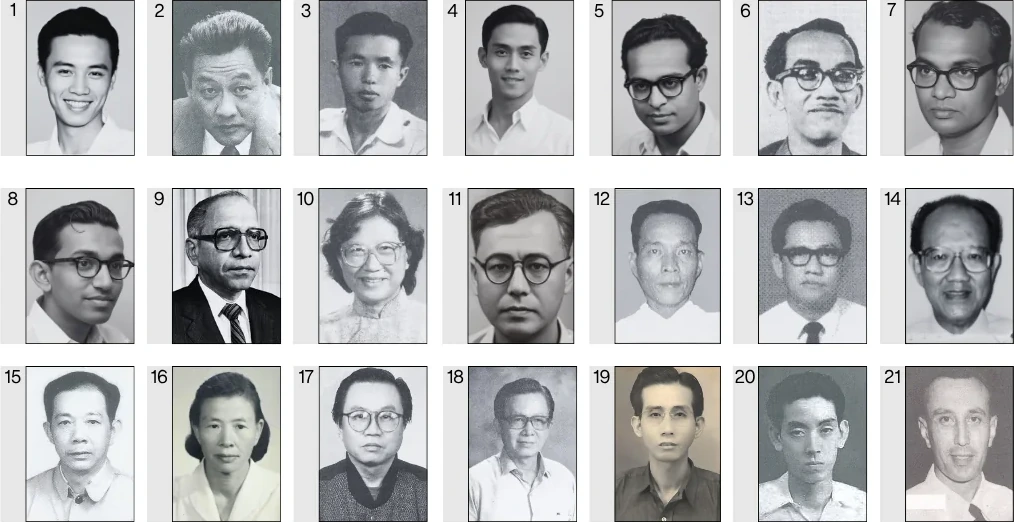
抗英同盟英语支部由马共党员余柱业与林建才直接领导,核心骨干包括原马盟秘书长约翰·依伯、郭鹤龄、印裔教师工会领袖P·V·沙尔玛与蒂凡那、马来亚大学青年学子詹姆斯·普图遮里与桑德拉塞加兰·兀哈尔等。尤为重要的是,英语支部积极开展跨民族统战工作,成功吸纳了马来文大报《马来前锋报》副总编辑沙末·依斯迈尔以及马来亚广播电台新闻翻译阿都拉·苏丁等极具影响力的马来族知识分子加入抗盟。
为打破英殖民当局在《紧急状态条例》下实施的严密新闻封锁,余柱业、林建才与约翰·依伯亲自执笔撰稿,秘密编辑出版了《自由报》与《战讯》两份地下英文定期刊物。抗盟成员在隐蔽安全屋内利用油印机夜间赶印,再通过大学宿舍、教师公会、报馆与市政部门的秘密传递网,将这些英文地下刊物精准投递至大学生、知识界乃至殖民地高级官员的办公桌上。
《自由报》与《战讯》以流利的英文、翔实的事实与犀利的政论,揭露英军在马来半岛实施“布里格斯计划”强迁五十万村民进入“新村”集中营及焚毁村庄的真相,批驳殖民当局将民族解放战争污蔑为“暴徒恐怖活动”的宣传谎言。这两份英文地下刊物在马来亚大学校园内引发了强烈的思想震荡,直接催化了1953年“马来亚大学社会主义俱乐部”及其机关刊物《火炬报》的诞生。
A defining breakthrough of the Singapore Anti-British League was its extension of the CPM-led underground network beyond Chinese-speaking workers and students into English-medium higher education, the civil service, and the multi-ethnic intelligentsia. In early 1949, former MDU cadres established the ABL English Section at Raffles College (which merged in October 1949 to form the University of Malaya). By late 1949, rapid recruitment among English-educated youths and professionals elevated the group into the full ABL English Branch.
Directed by CPM cadres Eu Chooi Yip and Lim Kean Chye, the ABL English Branch included John Eber, William Kuok, Singapore Teachers' Union leaders P. V. Sarma and C. V. Devan Nair, and University of Malaya undergraduates James Puthucheary and Sandrasegaran Woodhull. Crucially, the branch forged deep cross-ethnic solidarity by recruiting influential Malay intellectuals, notably Utusan Melayu assistant editor A. Samad Ismail and Radio Malaya translator Abdullah Sudin.
To pierce the information blackout imposed under the Emergency Regulations, Eu Chooi Yip, Lim Kean Chye, and John Eber wrote, edited, and clandestinely published two English-language underground periodicals: Freedom News and Battle Front. Mimeographed at night in safe houses, these publications were distributed through covert networks across university hostels, teachers' unions, newsrooms, and municipal offices.
Written in incisive English, Freedom News and Battle Front documented the realities of the mainland counter-insurgency, including the forced resettlement of half a million rural villagers under the Briggs Plan, dismantling official propaganda that portrayed the national liberation war as mere banditry. Their circulation among undergraduates directly catalyzed the intellectual awakening that produced the University of Malaya Socialist Club and its organ Fajar in 1953.
星洲抗英同盟在历史上的重大突破,在于成功将马共领导的地下反殖网络从华语工农与学生群体扩展至受英文教育的最高学府、文官体系与多族群知识界。1949年初,随着原马来亚民主同盟核心骨干转入地下,抗英同盟在莱佛士学院(1949年10月合并升格为马来亚大学)正式组建“抗英同盟英语小组”。至1949年底,由于吸收的受英文教育青年与专业人士迅速增加,英语小组正式升格为“抗英同盟英语支部”。
抗英同盟英语支部由马共党员余柱业与林建才直接领导,核心骨干包括原马盟秘书长约翰·依伯、郭鹤龄、印裔教师工会领袖P·V·沙尔玛与蒂凡那、马来亚大学青年学子詹姆斯·普图遮里与桑德拉塞加兰·兀哈尔等。尤为重要的是,英语支部积极开展跨民族统战工作,成功吸纳了马来文大报《马来前锋报》副总编辑沙末·依斯迈尔以及马来亚广播电台新闻翻译阿都拉·苏丁等极具影响力的马来族知识分子加入抗盟。
A defining breakthrough of the Singapore Anti-British League was its extension of the CPM-led underground network beyond Chinese-speaking workers and students into English-medium higher education, the civil service, and the multi-ethnic intelligentsia. In early 1949, former MDU cadres established the ABL English Section at Raffles College (which merged in October 1949 to form the University of Malaya). By late 1949, rapid recruitment among English-educated youths and professionals elevated the group into the full ABL English Branch.
Directed by CPM cadres Eu Chooi Yip and Lim Kean Chye, the ABL English Branch included John Eber, William Kuok, Singapore Teachers' Union leaders P. V. Sarma and C. V. Devan Nair, and University of Malaya undergraduates James Puthucheary and Sandrasegaran Woodhull. Crucially, the branch forged deep cross-ethnic solidarity by recruiting influential Malay intellectuals, notably Utusan Melayu assistant editor A. Samad Ismail and Radio Malaya translator Abdullah Sudin.
为打破英殖民当局在《紧急状态条例》下实施的严密新闻封锁,余柱业、林建才与约翰·依伯亲自执笔撰稿,秘密编辑出版了《自由报》与《战讯》两份地下英文定期刊物。抗盟成员在隐蔽安全屋内利用油印机夜间赶印,再通过大学宿舍、教师公会、报馆与市政部门的秘密传递网,将这些英文地下刊物精准投递至大学生、知识界乃至殖民地高级官员的办公桌上。
《自由报》与《战讯》以流利的英文、翔实的事实与犀利的政论,揭露英军在马来半岛实施“布里格斯计划”强迁五十万村民进入“新村”集中营及焚毁村庄的真相,批驳殖民当局将民族解放战争污蔑为“暴徒恐怖活动”的宣传谎言。这两份英文地下刊物在马来亚大学校园内引发了强烈的思想震荡,直接催化了1953年“马来亚大学社会主义俱乐部”及其机关刊物《火炬报》的诞生。
To pierce the information blackout imposed under the Emergency Regulations, Eu Chooi Yip, Lim Kean Chye, and John Eber wrote, edited, and clandestinely published two English-language underground periodicals: Freedom News and Battle Front. Mimeographed at night in safe houses, these publications were distributed through covert networks across university hostels, teachers' unions, newsrooms, and municipal offices.
Written in incisive English, Freedom News and Battle Front documented the realities of the mainland counter-insurgency, including the forced resettlement of half a million rural villagers under the Briggs Plan, dismantling official propaganda that portrayed the national liberation war as mere banditry. Their circulation among undergraduates directly catalyzed the intellectual awakening that produced the University of Malaya Socialist Club and its organ Fajar in 1953.
第三章:1951年1月大搜捕与殖民栽赃黑幕:约翰·依伯的狱中控诉
Chapter 3: The January 1951 Mass Roundup and Colonial Frame-Up Tactics: John Eber's Testimony
《自由报》与《战讯》在受英文教育阶层中的广泛流传,令英国殖民地政治部极度恐慌。经过数月的秘密侦缉与线人渗透,英殖民当局于1951年1月初对星洲抗英同盟英语支部发动了大规模突袭。1951年1月4日,大批政治部警探首先闯入马来亚大学武吉知马校园与学生宿舍,强行搜查并逮捕了詹姆斯·普图遮里等多名在籍大学生;1月7日,政治部又在马来亚联合邦境内逮捕了四名刚从马来亚大学毕业的抗盟成员。
1951年1月8日凌晨,英殖民当局展开代号严密的全岛大搜捕,一举拘捕了三十四名星洲抗英同盟英语支部核心成员。被捕者涵盖新加坡各族知识界精英:包括原马盟秘书长、著名欧亚裔律师约翰·依伯,新加坡教师工会领袖P·V·沙尔玛与蒂凡那,《马来前锋报》副总编辑沙末·依斯迈尔,马来亚广播电台新闻翻译阿都拉·苏丁,新加坡市政厅公共卫生女医官、林丰美夫人林玛姬医生(原名陈金玉),以及著名医师J·K·罗伊等。与此同时,殖民警方全城通缉抗盟最高领导人余柱业与林建才;两人在马共地下组织严密掩护下成功突破搜捕网,余柱业随后辗转撤往印尼,林建才则撤往中国,继续在海外开展反殖工作。
由于被捕的约翰·依伯、沙末·依斯迈尔、P·V·沙尔玛等人均系社会声望崇高的律师、报人与教师领袖,英国殖民政府不敢将他们交由公开法庭审讯,以免法庭成为揭露殖民统治不公的政治讲坛,遂援引《紧急状态条例》将他们关入圣约翰岛集中营与樟宜监狱实施无审判无限期拘留。不仅如此,正如历史档案所揭露,英国殖民地政治部在对付受人敬重的反殖政治活动家与工会领袖时,还惯常采取在搜查过程中蓄意栽赃鸦片或毒品的卑劣手段,企图通过捏造刑事毒品指控来摧毁其公众道德形象,从而绕过公开的政治审判,将反殖异见污名化与刑事化。
在长达两年多的无审讯羁押中,约翰·依伯等抗盟成员在狱中坚持抗争。面对殖民当局抛出的“签署悔过书即可获释”的诱降条件,依伯严词拒绝。1953年2月24日,在国内外舆论压力下获释并被迫流亡英国伦敦的约翰·依伯,在踏出牢狱之际向公众发表了掷地有声的公开证言,揭露了殖民当局在秘密拘留营中对政治犯实施肉体折磨的黑幕。
Alarmed by the circulation of Freedom News and Battle Front within English-educated circles, the British Special Branch launched a coordinated crackdown against the ABL English Branch in early January 1951. On January 4, 1951, police raided the University of Malaya campus and hostels, arresting undergraduates including James Puthucheary; on January 7, four recent University of Malaya graduates were arrested in the Federation of Malaya.
At dawn on January 8, 1951, colonial police detained thirty-four members of the ABL English Branch across Singapore. Those arrested included prominent Eurasian lawyer John Eber, Singapore Teachers' Union leaders P. V. Sarma and C. V. Devan Nair, Utusan Melayu assistant editor A. Samad Ismail, Radio Malaya translator Abdullah Sudin, municipal public health officer Dr. Maggie Lim (wife of Lim Hong Bee), and physician Dr. J. K. Roy. Warrants were simultaneously issued for ABL leaders Eu Chooi Yip and Lim Kean Chye, both of whom successfully evaded capture with underground assistance, eventually withdrawing to Indonesia and China respectively.
Because figures such as John Eber, A. Samad Ismail, and P. V. Sarma commanded wide public respect, colonial authorities dared not bring them to open trial, detaining them instead without trial on St. John's Island and in Changi Prison under the Emergency Regulations. Furthermore, archival records confirm that British colonial police systematically planted narcotics on respected political activists and trade union leaders during raids to tarnish their public reputation and bypass political trials through criminalization.
Throughout more than two years of detention without trial, John Eber and his fellow detainees steadfastly refused colonial offers of release in exchange for public recantations. Upon his release on February 24, 1953 prior to departing for London, John Eber issued a public appeal exposing the physical abuse inflicted on political detainees behind prison walls.
《自由报》与《战讯》在受英文教育阶层中的广泛流传,令英国殖民地政治部极度恐慌。经过数月的秘密侦缉与线人渗透,英殖民当局于1951年1月初对星洲抗英同盟英语支部发动了大规模突袭。1951年1月4日,大批政治部警探首先闯入马来亚大学武吉知马校园与学生宿舍,强行搜查并逮捕了詹姆斯·普图遮里等多名在籍大学生;1月7日,政治部又在马来亚联合邦境内逮捕了四名刚从马来亚大学毕业的抗盟成员。
1951年1月8日凌晨,英殖民当局展开代号严密的全岛大搜捕,一举拘捕了三十四名星洲抗英同盟英语支部核心成员。被捕者涵盖新加坡各族知识界精英:包括原马盟秘书长、著名欧亚裔律师约翰·依伯,新加坡教师工会领袖P·V·沙尔玛与蒂凡那,《马来前锋报》副总编辑沙末·依斯迈尔,马来亚广播电台新闻翻译阿都拉·苏丁,新加坡市政厅公共卫生女医官、林丰美夫人林玛姬医生(原名陈金玉),以及著名医师J·K·罗伊等。与此同时,殖民警方全城通缉抗盟最高领导人余柱业与林建才;两人在马共地下组织严密掩护下成功突破搜捕网,余柱业随后辗转撤往印尼,林建才则撤往中国,继续在海外开展反殖工作。
Alarmed by the circulation of Freedom News and Battle Front within English-educated circles, the British Special Branch launched a coordinated crackdown against the ABL English Branch in early January 1951. On January 4, 1951, police raided the University of Malaya campus and hostels, arresting undergraduates including James Puthucheary; on January 7, four recent University of Malaya graduates were arrested in the Federation of Malaya.
At dawn on January 8, 1951, colonial police detained thirty-four members of the ABL English Branch across Singapore. Those arrested included prominent Eurasian lawyer John Eber, Singapore Teachers' Union leaders P. V. Sarma and C. V. Devan Nair, Utusan Melayu assistant editor A. Samad Ismail, Radio Malaya translator Abdullah Sudin, municipal public health officer Dr. Maggie Lim (wife of Lim Hong Bee), and physician Dr. J. K. Roy. Warrants were simultaneously issued for ABL leaders Eu Chooi Yip and Lim Kean Chye, both of whom successfully evaded capture with underground assistance, eventually withdrawing to Indonesia and China respectively.
由于被捕的约翰·依伯、沙末·依斯迈尔、P·V·沙尔玛等人均系社会声望崇高的律师、报人与教师领袖,英国殖民政府不敢将他们交由公开法庭审讯,以免法庭成为揭露殖民统治不公的政治讲坛,遂援引《紧急状态条例》将他们关入圣约翰岛集中营与樟宜监狱实施无审判无限期拘留。不仅如此,正如历史档案所揭露,英国殖民地政治部在对付受人敬重的反殖政治活动家与工会领袖时,还惯常采取在搜查过程中蓄意栽赃鸦片或毒品的卑劣手段,企图通过捏造刑事毒品指控来摧毁其公众道德形象,从而绕过公开的政治审判,将反殖异见污名化与刑事化。
在长达两年多的无审讯羁押中,约翰·依伯等抗盟成员在狱中坚持抗争。面对殖民当局抛出的“签署悔过书即可获释”的诱降条件,依伯严词拒绝。1953年2月24日,在国内外舆论压力下获释并被迫流亡英国伦敦的约翰·依伯,在踏出牢狱之际向公众发表了掷地有声的公开证言,揭露了殖民当局在秘密拘留营中对政治犯实施肉体折磨的黑幕。
Because figures such as John Eber, A. Samad Ismail, and P. V. Sarma commanded wide public respect, colonial authorities dared not bring them to open trial, detaining them instead without trial on St. John's Island and in Changi Prison under the Emergency Regulations. Furthermore, archival records confirm that British colonial police systematically planted narcotics on respected political activists and trade union leaders during raids to tarnish their public reputation and bypass political trials through criminalization.
Throughout more than two years of detention without trial, John Eber and his fellow detainees steadfastly refused colonial offers of release in exchange for public recantations. Upon his release on February 24, 1953 prior to departing for London, John Eber issued a public appeal exposing the physical abuse inflicted on political detainees behind prison walls.
我真心希望公众能为被拘留者做点什么。我知道有些人遭受过身体上的折磨。I do hope the public will do something for detainees. I know of some who have suffered physically.— 约翰·依伯(原马来亚民主同盟秘书长、抗英同盟英语支部领导人),1951年1月8日大搜捕中被捕,1953年2月24日获释时公开发表的声明 | John Eber (former MDU Secretary-General and ABL English Branch leader), arrested in the January 8, 1951 sweep, speaking upon his release on February 24, 1953
第四章:野火春风逾三千众:从地下苦斗到1954年公开合法群众运动的大转变
Chapter 4: Expanding Beyond Three Thousand: From Clandestine Endurance to the 1954 Shift Toward Open Mass Struggle
1951年1月抗英同盟英语支部骨干的被捕与1950年底马共星洲市委部分机关于大搜捕中受损,并未扑灭新加坡的地下反殖火种。在华文源流中学、工厂车间与郊区农村,抗英同盟的组织网络在白色恐怖的高压下反而展现出强大的生命力。在张坚(黄明强)、方壮璧、陈蒙鹤、林清祥、曾福华、詹忠谦等骨干的秘密耕耘下,华侨中学、中正中学、南洋女中、中华女中、育英中学等华校纷纷建立起抗盟学生支部与读书会,各业工人与郊区农民支部亦层层扩展。
到1953年,星洲抗英同盟已发展出正式盟员逾2000人、预备盟员逾1000人,总规模超过3000人,在幕后领导和联系着全岛200多个学生组织、工会、农会、校友会及文艺团体。为了镇压这股不断壮大的地下人民力量,根据英国殖民地警察局官方统计,自1948年6月紧急状态实施至1953年3月,新加坡殖民当局先后逮捕了1209名反英抗殖人士,其中254人被强行驱逐出境,另有288人被迫“自愿”流亡海外。
1953年下半年,随着马来半岛武装斗争与城市群众运动的双重冲击,英国殖民政府被迫委任由林德爵士为首的制宪委员会,拟定《林德宪制》,有限度开放新加坡立法议会民选议席与政党社团活动空间。敏锐把握住这一历史转折的马共中央与马共星洲领导机构,于1954年9月至12月间正式向抗英同盟下达战略转变指示:从过去的秘密地下活动为主,全面转向公开、合法的群众组织与宪政斗争为主,将过去在地下积蓄的数千名抗盟骨干迅速输送至公开注册的各业工会、学生联合会、农民协会与文化社团之中。
正是这一深思熟虑的战略大转折,使星洲抗英同盟在1948至1953年五年黑夜中培育的组织火种,瞬间在1954年“五一三”反国民服役学运、美芝路左翼工会大潮以及人民行动党的创立中迸发为席卷全岛的社会大风暴。至1957年6月,鉴于公开合法的左翼工会、学运与政党阵线已全面成熟,马共星洲工委会正式宣布解散星洲抗英同盟,圆满完成了这一传奇地下组织的历史使命。
Neither the January 1951 arrests of the ABL English Branch nor the late-1950 police raids extinguished Singapore's clandestine anti-colonial network. Across Chinese-medium middle schools, factory floors, and rural villages, the ABL continued to expand under the organizing efforts of cadres such as Zhang Jian (Huang Ming Qiang), Fong Chong Pik, Chen Mong Hock, Lim Chin Siong, Chan Fook Wah, and Cham Chong Khiam, embedding study cells across Chinese High School, Chung Cheng High School, Nanyang Girls' High School, and Chung Hwa Girls' High School.
By 1953, the Singapore Anti-British League had grown to over 2,000 full members and 1,000 reserve members,exceeding 3,000 in total,leading more than 200 student, labor, agricultural, alumni, and cultural organizations across the island. According to colonial police records, between the declaration of the Emergency in June 1948 and March 1953, British authorities in Singapore arrested 1,209 anti-British activists, deporting 254 and forcing another 288 into exile.
In the second half of 1953, under the combined pressure of the mainland guerrilla war and urban unrest, the British administration appointed the Rendel Constitutional Commission, opening limited space for elected Legislative Assembly seats and legal civic associations. Seizing this juncture, between September and December 1954 the CPM leadership instructed the Anti-British League to transition strategically from clandestine operations to open, legal mass struggle, channeling thousands of seasoned underground cadres into registered trade unions, student federations, rural associations, and cultural bodies.
This strategic pivot transformed the organizational networks forged during five years of underground endurance into the mass movements of 1954–1956, including the May 13 student movement, the Middle Road trade union surge, and the founding of the People's Action Party. In June 1957, with open mass organizations fully established, the CPM Singapore Working Committee formally disbanded the Anti-British League, concluding its historic mission.
1951年1月抗英同盟英语支部骨干的被捕与1950年底马共星洲市委部分机关于大搜捕中受损,并未扑灭新加坡的地下反殖火种。在华文源流中学、工厂车间与郊区农村,抗英同盟的组织网络在白色恐怖的高压下反而展现出强大的生命力。在张坚(黄明强)、方壮璧、陈蒙鹤、林清祥、曾福华、詹忠谦等骨干的秘密耕耘下,华侨中学、中正中学、南洋女中、中华女中、育英中学等华校纷纷建立起抗盟学生支部与读书会,各业工人与郊区农民支部亦层层扩展。
到1953年,星洲抗英同盟已发展出正式盟员逾2000人、预备盟员逾1000人,总规模超过3000人,在幕后领导和联系着全岛200多个学生组织、工会、农会、校友会及文艺团体。为了镇压这股不断壮大的地下人民力量,根据英国殖民地警察局官方统计,自1948年6月紧急状态实施至1953年3月,新加坡殖民当局先后逮捕了1209名反英抗殖人士,其中254人被强行驱逐出境,另有288人被迫“自愿”流亡海外。
Neither the January 1951 arrests of the ABL English Branch nor the late-1950 police raids extinguished Singapore's clandestine anti-colonial network. Across Chinese-medium middle schools, factory floors, and rural villages, the ABL continued to expand under the organizing efforts of cadres such as Zhang Jian (Huang Ming Qiang), Fong Chong Pik, Chen Mong Hock, Lim Chin Siong, Chan Fook Wah, and Cham Chong Khiam, embedding study cells across Chinese High School, Chung Cheng High School, Nanyang Girls' High School, and Chung Hwa Girls' High School.
By 1953, the Singapore Anti-British League had grown to over 2,000 full members and 1,000 reserve members,exceeding 3,000 in total,leading more than 200 student, labor, agricultural, alumni, and cultural organizations across the island. According to colonial police records, between the declaration of the Emergency in June 1948 and March 1953, British authorities in Singapore arrested 1,209 anti-British activists, deporting 254 and forcing another 288 into exile.
1953年下半年,随着马来半岛武装斗争与城市群众运动的双重冲击,英国殖民政府被迫委任由林德爵士为首的制宪委员会,拟定《林德宪制》,有限度开放新加坡立法议会民选议席与政党社团活动空间。敏锐把握住这一历史转折的马共中央与马共星洲领导机构,于1954年9月至12月间正式向抗英同盟下达战略转变指示:从过去的秘密地下活动为主,全面转向公开、合法的群众组织与宪政斗争为主,将过去在地下积蓄的数千名抗盟骨干迅速输送至公开注册的各业工会、学生联合会、农民协会与文化社团之中。
正是这一深思熟虑的战略大转折,使星洲抗英同盟在1948至1953年五年黑夜中培育的组织火种,瞬间在1954年“五一三”反国民服役学运、美芝路左翼工会大潮以及人民行动党的创立中迸发为席卷全岛的社会大风暴。至1957年6月,鉴于公开合法的左翼工会、学运与政党阵线已全面成熟,马共星洲工委会正式宣布解散星洲抗英同盟,圆满完成了这一传奇地下组织的历史使命。
In the second half of 1953, under the combined pressure of the mainland guerrilla war and urban unrest, the British administration appointed the Rendel Constitutional Commission, opening limited space for elected Legislative Assembly seats and legal civic associations. Seizing this juncture, between September and December 1954 the CPM leadership instructed the Anti-British League to transition strategically from clandestine operations to open, legal mass struggle, channeling thousands of seasoned underground cadres into registered trade unions, student federations, rural associations, and cultural bodies.
This strategic pivot transformed the organizational networks forged during five years of underground endurance into the mass movements of 1954–1956, including the May 13 student movement, the Middle Road trade union surge, and the founding of the People's Action Party. In June 1957, with open mass organizations fully established, the CPM Singapore Working Committee formally disbanded the Anti-British League, concluding its historic mission.