第7集:清算内奸莱特与马共的自我净化(1947年)
Episode 7: Unmasking Triple Agent Lai Te and the Organizational Rectification of the CPM (1947)
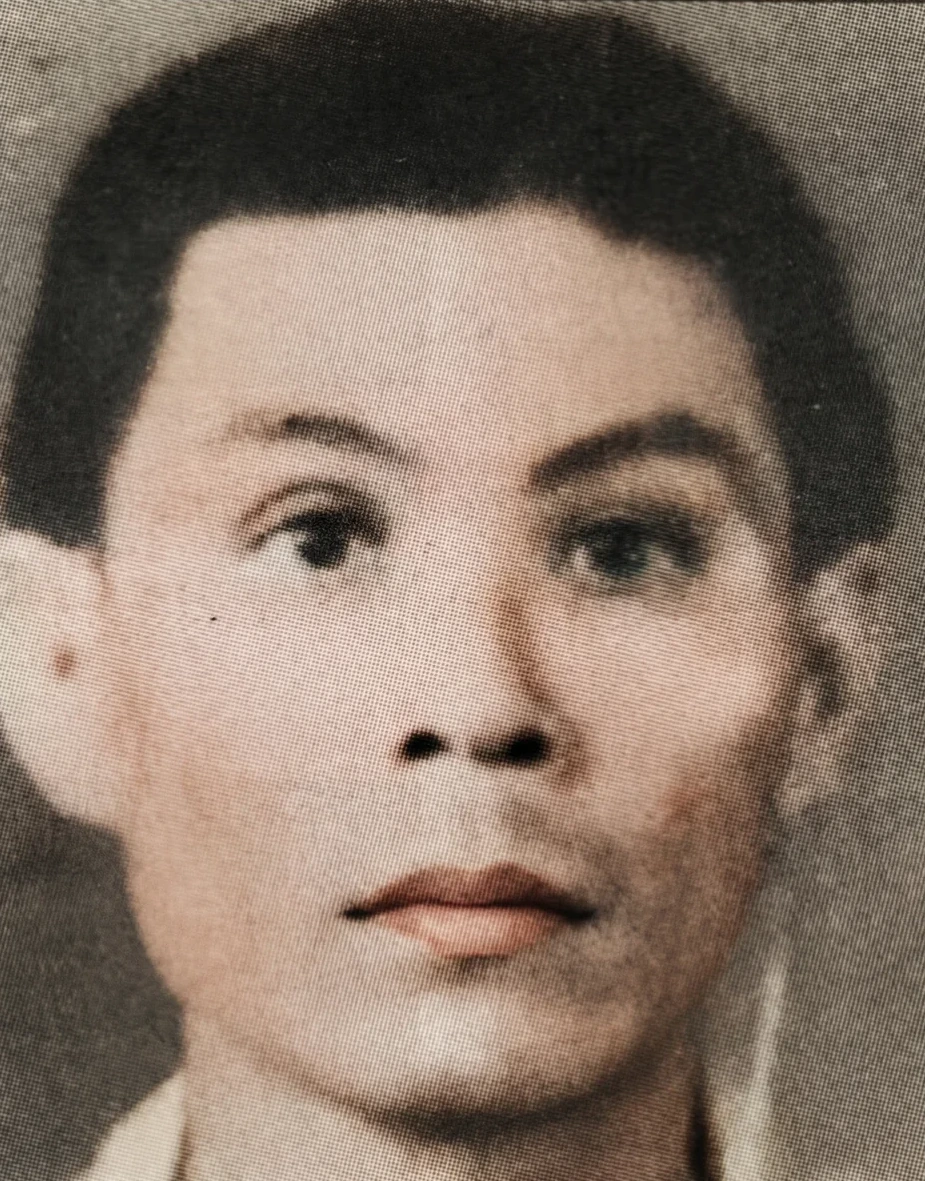
1946年底至1947年,马来亚共产党中央委员会在陈平、杨果等核心领导人主持下,查明并彻底清算了潜伏马共最高层十三年的法、英、日三重间谍莱特。莱特不仅在日占时期向日本宪兵队出卖大批马共干部而制造“九一惨案”等重大血案,更在战后重投英国情报机构,推行右倾投降主义路线以阻挠马来亚独立进程。1947年3月莱特畏罪潜逃后,马共中央于5月将其开除出党,并于7月第九次中央扩大会议推选陈平出任马共中央总书记。同年莱特在曼谷泰共人员抓捕行动中窒息毙命,马共则在彻底肃清“莱特路线”后实现了思想、政治与组织上的拨乱反正。
From late 1946 to 1947, the Central Committee of the Communist Party of Malaya, led by Chin Peng and Yeung Kuo, investigated and exposed Secretary-General Lai Te as a triple agent serving French, British, and Japanese intelligence. Having betrayed over a hundred senior cadres to the Japanese Kempeitai and subsequently enforced a British-directed capitulationist line after the war, Lai Te absconded in March 1947. Following his expulsion in May 1947 and his accidental death during a Communist Party of Thailand capture operation in Bangkok, the Ninth Enlarged Central Committee Plenum in July 1947 elected Chin Peng as General Secretary, initiating a comprehensive ideological and organizational rectification.
第一章:潜伏十三年的“三重间谍”:从伪造共产国际代表到制造九一惨案
Chapter 1: Thirteen Years of Infiltration: From Fabricated Comintern Envoy to Architect of the Batu Caves Tragedy
在二十世纪东南亚反殖解放运动与国际共产主义运动史上,马共前任总书记莱特(Lai Te,中越混血,原名阮福达,党内化名张红,战后公开化名黄绍东、黄金玉)的潜伏与叛卖,是一桩罕见的跨国情报渗透案。1934年,莱特首次在新加坡接触马共组织,自称是莫斯科派来的共产国际(第三国际)代表,并伪造了曾参加印度支那共产党及赴苏联留学的履历。由于当时南洋地下党组织与共产国际远东局的联络中断,莱特凭借其伪造的国际背景与隐蔽权谋,于1935年混入马共中央成为中央委员,1936年出任时任总书记蔡白云的副手,并于1939年4月第六次中央扩大会议后正式攫取马共中央总书记职务,潜伏马共中央长达十三年,其中担任最高领导职务达八年之久。
英国国家档案馆解密的军情五处(MI5)绝密卷宗(档案号 KV 2/1854 至 KV 2/1855)及多方史料证实,莱特实为先后效忠于法国、英国与日本情报机构的“三重间谍”。他早年在法属印度支那即被法国殖民安全部门收买为反共线人;1930年代中期由英法情报机构秘密转介,被海峡殖民地警察政治部(Special Branch)负责人赖特(R. H. de S. Onraet)派入新加坡马共内部,在英方绝密档案中代号为“Mr. Wright”。他利用马共地下保密纪律建立起个人独断的单线垂直联系制度,借此长期向英国殖民当局输送马共内部情报。
1942年2月新加坡沦陷后,莱特于3月初在新加坡被日本陆军宪兵队(Kempeitai)逮捕。为保全性命与牟取私利,莱特当即向日军宪兵队特高课长官大西觉少佐屈膝投降,化名“黄金玉”沦为日军高级密探,获准在新加坡与柔佛经营日本军政监部特批的大米配给商号。在日占三年零八个月期间,莱特将马共中央与各地抗日武装的机密作为换取金钱与特权的筹码。1942年9月1日,莱特蓄意将马共中央及各州委、各独立队领导人召集至吉隆坡近郊黑风洞石山脚开会,并提前向日军宪兵队告密。逾两千名日军包围突袭会址,三十名与会同志中包括中央常务委员小忠及各州委、独立队代表与警卫人员在内的十八位烈士壮烈牺牲。在整个抗日战争期间,因莱特直接出卖而遭日军逮捕杀害的马共中央常务委员、州委书记及高级干部达一百余人。
1945年8月日本宣告无条件投降后,面对日军宪兵队翻译与档案可能暴露的风险,莱特迅速与随英军重返马来亚的英国军事行政当局(BMA)及政治部旧主重新接上线。他一方面继续向英方提供情报,另一方面利用马共中央总书记的最高职权蓄意扭曲马共的战略方向,使马共在战后初期的紧要历史关头蒙受了极为深重的政治损失。
In the history of twentieth-century Southeast Asian anti-colonial movements, the infiltration of former CPM General Secretary Lai Te (of Vietnamese-Chinese descent, original name Nguyen Phuc Dat, party alias Chang Hong, postwar public alias Wong Shao-tong or Wong Kim Geok) stands as one of the most damaging intelligence operations of the era. Arriving in Singapore in 1934, Lai Te claimed to be a Comintern representative dispatched from Moscow, fabricating credentials of prior service in the Indochinese Communist Party and training in the Soviet Union. Exploiting the severance of direct communications between Malayan communists and the Comintern Far Eastern Bureau, he entered the CPM Central Committee in 1935, became deputy to General Secretary Cai Baiyun in 1936, and assumed the office of General Secretary in April 1939. In total, he infiltrated the CPM central leadership for thirteen years, holding the top post for eight.
Declassified British MI5 dossiers at The National Archives (files KV 2/1854 and KV 2/1855) alongside party historical investigations confirm that Lai Te was a triple agent serving French, British, and Japanese intelligence. Originally recruited by the French Sûreté in Indochina, he was transferred in the mid-1930s to the Straits Settlements Special Branch in Singapore under Inspector-General R. H. de S. Onraet, operating under the British intelligence codename "Mr. Wright." Exploiting underground compartmentalization, he instituted a system of vertical single-line reporting that concentrated organizational and financial control in his own hands.
Following the fall of Singapore in February 1942, Lai Te was arrested by the Japanese Kempeitai in early March. To preserve his life and amass personal wealth, he immediately collaborated with Major Satoru Onishi of the Kempeitai under the alias Wong Kim Geok, receiving lucrative rice-rationing concessions in Singapore. Throughout the three years and eight months of occupation, Lai Te systematically betrayed CPM underground networks. Most notoriously, he orchestrated the September 1, 1942 conference near Batu Caves in Selangor and tipped off the Kempeitai; over two thousand Japanese troops encircled the site, resulting in the martyrdom of eighteen out of thirty attending comrades, including Central Committee member Xiao Zhong and senior regional commanders. Over the course of the occupation, more than one hundred senior CPM cadres were executed as a direct result of his betrayals.
Upon Japan's unconditional surrender in August 1945, Lai Te swiftly re-established covert contact with returning British intelligence officers of the British Military Administration (BMA). Resuming his role as a British informant, he simultaneously used his authority as General Secretary to steer the CPM onto a course of unilateral disarmament and constitutional accommodation, gravely undermining the Malayan independence struggle.
在二十世纪东南亚反殖解放运动与国际共产主义运动史上,马共前任总书记莱特(Lai Te,中越混血,原名阮福达,党内化名张红,战后公开化名黄绍东、黄金玉)的潜伏与叛卖,是一桩罕见的跨国情报渗透案。1934年,莱特首次在新加坡接触马共组织,自称是莫斯科派来的共产国际(第三国际)代表,并伪造了曾参加印度支那共产党及赴苏联留学的履历。由于当时南洋地下党组织与共产国际远东局的联络中断,莱特凭借其伪造的国际背景与隐蔽权谋,于1935年混入马共中央成为中央委员,1936年出任时任总书记蔡白云的副手,并于1939年4月第六次中央扩大会议后正式攫取马共中央总书记职务,潜伏马共中央长达十三年,其中担任最高领导职务达八年之久。
英国国家档案馆解密的军情五处(MI5)绝密卷宗(档案号 KV 2/1854 至 KV 2/1855)及多方史料证实,莱特实为先后效忠于法国、英国与日本情报机构的“三重间谍”。他早年在法属印度支那即被法国殖民安全部门收买为反共线人;1930年代中期由英法情报机构秘密转介,被海峡殖民地警察政治部(Special Branch)负责人赖特(R. H. de S. Onraet)派入新加坡马共内部,在英方绝密档案中代号为“Mr. Wright”。他利用马共地下保密纪律建立起个人独断的单线垂直联系制度,借此长期向英国殖民当局输送马共内部情报。
In the history of twentieth-century Southeast Asian anti-colonial movements, the infiltration of former CPM General Secretary Lai Te (of Vietnamese-Chinese descent, original name Nguyen Phuc Dat, party alias Chang Hong, postwar public alias Wong Shao-tong or Wong Kim Geok) stands as one of the most damaging intelligence operations of the era. Arriving in Singapore in 1934, Lai Te claimed to be a Comintern representative dispatched from Moscow, fabricating credentials of prior service in the Indochinese Communist Party and training in the Soviet Union. Exploiting the severance of direct communications between Malayan communists and the Comintern Far Eastern Bureau, he entered the CPM Central Committee in 1935, became deputy to General Secretary Cai Baiyun in 1936, and assumed the office of General Secretary in April 1939. In total, he infiltrated the CPM central leadership for thirteen years, holding the top post for eight.
Declassified British MI5 dossiers at The National Archives (files KV 2/1854 and KV 2/1855) alongside party historical investigations confirm that Lai Te was a triple agent serving French, British, and Japanese intelligence. Originally recruited by the French Sûreté in Indochina, he was transferred in the mid-1930s to the Straits Settlements Special Branch in Singapore under Inspector-General R. H. de S. Onraet, operating under the British intelligence codename "Mr. Wright." Exploiting underground compartmentalization, he instituted a system of vertical single-line reporting that concentrated organizational and financial control in his own hands.
1942年2月新加坡沦陷后,莱特于3月初在新加坡被日本陆军宪兵队(Kempeitai)逮捕。为保全性命与牟取私利,莱特当即向日军宪兵队特高课长官大西觉少佐屈膝投降,化名“黄金玉”沦为日军高级密探,获准在新加坡与柔佛经营日本军政监部特批的大米配给商号。在日占三年零八个月期间,莱特将马共中央与各地抗日武装的机密作为换取金钱与特权的筹码。1942年9月1日,莱特蓄意将马共中央及各州委、各独立队领导人召集至吉隆坡近郊黑风洞石山脚开会,并提前向日军宪兵队告密。逾两千名日军包围突袭会址,三十名与会同志中包括中央常务委员小忠及各州委、独立队代表与警卫人员在内的十八位烈士壮烈牺牲。在整个抗日战争期间,因莱特直接出卖而遭日军逮捕杀害的马共中央常务委员、州委书记及高级干部达一百余人。
1945年8月日本宣告无条件投降后,面对日军宪兵队翻译与档案可能暴露的风险,莱特迅速与随英军重返马来亚的英国军事行政当局(BMA)及政治部旧主重新接上线。他一方面继续向英方提供情报,另一方面利用马共中央总书记的最高职权蓄意扭曲马共的战略方向,使马共在战后初期的紧要历史关头蒙受了极为深重的政治损失。
Following the fall of Singapore in February 1942, Lai Te was arrested by the Japanese Kempeitai in early March. To preserve his life and amass personal wealth, he immediately collaborated with Major Satoru Onishi of the Kempeitai under the alias Wong Kim Geok, receiving lucrative rice-rationing concessions in Singapore. Throughout the three years and eight months of occupation, Lai Te systematically betrayed CPM underground networks. Most notoriously, he orchestrated the September 1, 1942 conference near Batu Caves in Selangor and tipped off the Kempeitai; over two thousand Japanese troops encircled the site, resulting in the martyrdom of eighteen out of thirty attending comrades, including Central Committee member Xiao Zhong and senior regional commanders. Over the course of the occupation, more than one hundred senior CPM cadres were executed as a direct result of his betrayals.
Upon Japan's unconditional surrender in August 1945, Lai Te swiftly re-established covert contact with returning British intelligence officers of the British Military Administration (BMA). Resuming his role as a British informant, he simultaneously used his authority as General Secretary to steer the CPM onto a course of unilateral disarmament and constitutional accommodation, gravely undermining the Malayan independence struggle.
第二章:痛失独立良机与破绽败露:陈平、杨果的专案追查(1946–1947)
Chapter 2: The Forfeited Opportunity for Independence and the Investigation by Chin Peng and Yeung Kuo (1946–1947)
1945年8月中旬日本投降之际,英国远东主力尚在数千里之外,马来亚本土出现了长达数周的政权真空。当时马共领导的马来亚人民抗日军(MPAJA)拥有公开与秘密部队逾万人,实际接管了全马超过百分之七十的中小城镇与广大乡村治安,具备了效仿越南独立同盟会与印尼民族主义力量直接宣告民族独立、建立人民政权的雄厚实力。然而,秉承英方指令的莱特却在马共中央强推右倾投降主义路线,拒绝采纳马共党内青年将领关于建立民族政权、抵抗英军重占的主张,并于1945年12月1日强令人民抗日军正式缴械复员,将全马人民浴血三年零八个月换来的胜利果实拱手让予重返的英国殖民当局。
随着战后各地幸存干部的汇合以及日占时期宪兵队审讯记录、幸存证人证言的浮现,莱特的诸多反常行径引起了马共党内骨干的警惕。早在九一惨案与日军投降之际,负责雪兰莪与吉隆坡地下工作的马共中央常委杨果(Yeung Kuo)便对为何唯独莱特屡次避开日军搜捕、以及日军翻译指认马共高层有内线一事产生深切怀疑。1946年12月,马共中央召开会议全面检讨战后工作,发现在组织、政治与领导作风上存在严重弊端;在审查马共中央财政开支时,更发现由莱特个人单线经手的巨额党费、黄金与商号资产账目混乱、用途不明。会议遂决定筹备召开马共第二次全国代表大会,以彻底检讨并解决马共的政治路线等重大问题。
1947年3月6日,马共中央在吉隆坡召开中央会议,原定议程是讨论召开“二大”的筹备工作,并要求莱特就政治路线与巨额财政账目向马共中央作出正式交代。嗅觉敏锐的莱特深知其多重间谍身份即将败露,不仅拒不出席3月6日的中央会议,而且将由其个人掌控的大批马共中央黄金、现钞与党产秘密转移,从槟城潜入泰国,继而由曼谷前往香港,其后又从香港返回曼谷。
马共中央认定事态极其严重,当即决定成立专案调查组,委派中央常委陈平同志与杨果同志全面追查莱特的来历与行踪。1947年3月至5月间,陈平与杨果深入吉隆坡、新加坡与柔佛各地,秘密寻访莱特在新加坡的秘密居所、商业合伙人、亲属及战时知情证人,核对了日军宪兵队翻译口供与英国政治部内线线索。经陈平与杨果周密严谨的调查取证,终于彻底查清了莱特作为英、法、日“三重间谍”的真实来历、变节经过与出卖百余名高级干部的累累罪行。1947年5月,马共中央召开会议听取调查报告,正式通过《关于莱特问题的决议》,在马共党内彻底揭发莱特的内奸面目并将其永远开除出党。
When Japan surrendered in mid-August 1945, British forces were still weeks away from landing, leaving a power vacuum across Malaya. At that juncture, the CPM-led Malayan People's Anti-Japanese Army (MPAJA) commanded over ten thousand overt and clandestine combatants and exercised administrative authority over more than seventy percent of the country's towns and rural districts, possessing far greater military strength than the independence movements in Vietnam or Indonesia when they proclaimed sovereignty. Yet Lai Te, acting in alignment with British priorities, imposed a right-capitulationist line on the CPM Central Committee, rejecting proposals to resist British reoccupation and ordering the formal disbandment and disarmament of the MPAJA on December 1, 1945.
As surviving cadres reconvened after the war and wartime Kempeitai interrogation records surfaced, troubling anomalies surrounding Lai Te multiplied. Central Standing Committee member Yeung Kuo, who directed underground work in Selangor and Kuala Lumpur, had harbored deep suspicions since the Batu Caves massacre and uncovered testimony from former Kempeitai interpreters pointing to an informant at the highest level of the CPM. At the December 1946 CPM Central Committee meeting, leaders reviewing organizational and political shortcomings audited Party finances and discovered that vast sums of CPM funds, gold reserves, and commercial assets personally managed by Lai Te were unaccounted for. The meeting resolved to convene the Second Party Congress to address fundamental questions of political line.
On March 6, 1947, the CPM Central Committee met in Kuala Lumpur to prepare for the Second Congress and required Lai Te to account for his political line and financial administration. Realizing that exposure was imminent, Lai Te refused to attend the March 6 meeting. Having liquidated and transferred the bulk of the CPM treasury under his personal control, he fled from Penang into Thailand, traveled from Bangkok to Hong Kong, and subsequently returned from Hong Kong to Bangkok.
Recognizing the gravity of the situation, the CPM Central Committee immediately tasked Comrade Chin Peng and Comrade Yeung Kuo with conducting a full-scale investigation. Between March and May 1947, Chin Peng and Yeung Kuo traveled across Kuala Lumpur, Johor, and Singapore, interviewing wartime witnesses, commercial intermediaries, and family contacts while cross-checking Kempeitai and Special Branch leads. Their investigation conclusively established Lai Te's background and crimes as a triple agent for Britain, France, and Japan. In May 1947, the CPM Central Committee formally unmasked Lai Te and expelled him from the CPM.
1945年8月中旬日本投降之际,英国远东主力尚在数千里之外,马来亚本土出现了长达数周的政权真空。当时马共领导的马来亚人民抗日军(MPAJA)拥有公开与秘密部队逾万人,实际接管了全马超过百分之七十的中小城镇与广大乡村治安,具备了效仿越南独立同盟会与印尼民族主义力量直接宣告民族独立、建立人民政权的雄厚实力。然而,秉承英方指令的莱特却在马共中央强推右倾投降主义路线,拒绝采纳马共党内青年将领关于建立民族政权、抵抗英军重占的主张,并于1945年12月1日强令人民抗日军正式缴械复员,将全马人民浴血三年零八个月换来的胜利果实拱手让予重返的英国殖民当局。
随着战后各地幸存干部的汇合以及日占时期宪兵队审讯记录、幸存证人证言的浮现,莱特的诸多反常行径引起了马共党内骨干的警惕。早在九一惨案与日军投降之际,负责雪兰莪与吉隆坡地下工作的马共中央常委杨果(Yeung Kuo)便对为何唯独莱特屡次避开日军搜捕、以及日军翻译指认马共高层有内线一事产生深切怀疑。1946年12月,马共中央召开会议全面检讨战后工作,发现在组织、政治与领导作风上存在严重弊端;在审查马共中央财政开支时,更发现由莱特个人单线经手的巨额党费、黄金与商号资产账目混乱、用途不明。会议遂决定筹备召开马共第二次全国代表大会,以彻底检讨并解决马共的政治路线等重大问题。
When Japan surrendered in mid-August 1945, British forces were still weeks away from landing, leaving a power vacuum across Malaya. At that juncture, the CPM-led Malayan People's Anti-Japanese Army (MPAJA) commanded over ten thousand overt and clandestine combatants and exercised administrative authority over more than seventy percent of the country's towns and rural districts, possessing far greater military strength than the independence movements in Vietnam or Indonesia when they proclaimed sovereignty. Yet Lai Te, acting in alignment with British priorities, imposed a right-capitulationist line on the CPM Central Committee, rejecting proposals to resist British reoccupation and ordering the formal disbandment and disarmament of the MPAJA on December 1, 1945.
As surviving cadres reconvened after the war and wartime Kempeitai interrogation records surfaced, troubling anomalies surrounding Lai Te multiplied. Central Standing Committee member Yeung Kuo, who directed underground work in Selangor and Kuala Lumpur, had harbored deep suspicions since the Batu Caves massacre and uncovered testimony from former Kempeitai interpreters pointing to an informant at the highest level of the CPM. At the December 1946 CPM Central Committee meeting, leaders reviewing organizational and political shortcomings audited Party finances and discovered that vast sums of CPM funds, gold reserves, and commercial assets personally managed by Lai Te were unaccounted for. The meeting resolved to convene the Second Party Congress to address fundamental questions of political line.
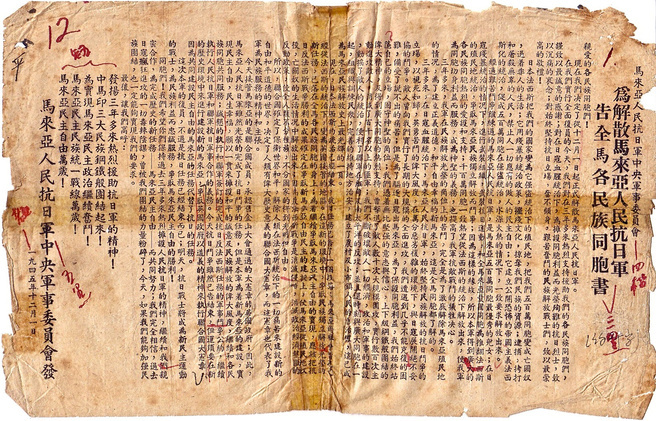
马共在日本投降后,原可以像印尼和越南共产党一样取得政权,当时马共的公开和秘密队伍总共一万多人,而印尼和越南宣布独立时的力量才几百人。如果不是莱特长期领导,日本投降后,马共会宣布马来亚独立。莱特这个内奸对马来亚的独立进程造成严重的损害。After Japan surrendered, the CPM could have taken power like the communists in Indonesia and Vietnam. At that time our open and clandestine forces totalled over ten thousand, whereas when Indonesia and Vietnam declared independence they each had only a few hundred. If not for Lai Te's long leadership, after Japan's surrender the CPM would have proclaimed Malayan independence. This traitor Lai Te seriously damaged Malaya's path to independence.— 陈平1998年6月19日至28日接受《星洲日报》记者专访历史谈话实录 | Chin Peng, interview with Sin Chew Daily (19–28 June 1998)
1947年3月6日,马共中央在吉隆坡召开中央会议,原定议程是讨论召开“二大”的筹备工作,并要求莱特就政治路线与巨额财政账目向马共中央作出正式交代。嗅觉敏锐的莱特深知其多重间谍身份即将败露,不仅拒不出席3月6日的中央会议,而且将由其个人掌控的大批马共中央黄金、现钞与党产秘密转移,从槟城潜入泰国,继而由曼谷前往香港,其后又从香港返回曼谷。
马共中央认定事态极其严重,当即决定成立专案调查组,委派中央常委陈平同志与杨果同志全面追查莱特的来历与行踪。1947年3月至5月间,陈平与杨果深入吉隆坡、新加坡与柔佛各地,秘密寻访莱特在新加坡的秘密居所、商业合伙人、亲属及战时知情证人,核对了日军宪兵队翻译口供与英国政治部内线线索。经陈平与杨果周密严谨的调查取证,终于彻底查清了莱特作为英、法、日“三重间谍”的真实来历、变节经过与出卖百余名高级干部的累累罪行。1947年5月,马共中央召开会议听取调查报告,正式通过《关于莱特问题的决议》,在马共党内彻底揭发莱特的内奸面目并将其永远开除出党。
On March 6, 1947, the CPM Central Committee met in Kuala Lumpur to prepare for the Second Congress and required Lai Te to account for his political line and financial administration. Realizing that exposure was imminent, Lai Te refused to attend the March 6 meeting. Having liquidated and transferred the bulk of the CPM treasury under his personal control, he fled from Penang into Thailand, traveled from Bangkok to Hong Kong, and subsequently returned from Hong Kong to Bangkok.
Recognizing the gravity of the situation, the CPM Central Committee immediately tasked Comrade Chin Peng and Comrade Yeung Kuo with conducting a full-scale investigation. Between March and May 1947, Chin Peng and Yeung Kuo traveled across Kuala Lumpur, Johor, and Singapore, interviewing wartime witnesses, commercial intermediaries, and family contacts while cross-checking Kempeitai and Special Branch leads. Their investigation conclusively established Lai Te's background and crimes as a triple agent for Britain, France, and Japan. In May 1947, the CPM Central Committee formally unmasked Lai Te and expelled him from the CPM.
第三章:曼谷追查与湄南河终局:国际兄弟党协查下的内奸覆灭
Chapter 3: The Bangkok Investigation and Final Curtain on the Chao Phraya River
莱特畏罪潜逃后,经由槟城入泰、从曼谷赴香港再折返曼谷。马共中央一方面在马共党内传达《关于莱特问题的决议》以消除内奸隐患,另一方面立即部署跨国追查,力求缉拿莱特归案,以审讯查明其究竟向英日帝国主义出卖了多少马共绝密组织网络,并追回被其侵吞的巨额革命经费。由于莱特早年活动于法属印度支那及暹罗(泰国),且在曼谷置有隐秘产业并与当地左翼人士有过旧交,马共中央判断曼谷极可能是其首要潜逃藏匿之地。
1947年6月,陈平亲自前往泰国曼谷,随后马共领导人连裕祥亦赴曼谷协助。陈平在曼谷秘密会晤了泰国共产党(CPT)领导人李启新及泰共华侨工作负责人丘及(陈少斌),同时向越南独立同盟会(越盟)驻曼谷代表通报了莱特系法、英、日三重特务并携款叛逃的详实证据,正式请求泰共与越盟兄弟党组织协助查缉莱特下落,并防范其再次伪装混入印支或泰国革命队伍。
在泰国共产党地下组织的严密排查下,很快发现化名隐居于曼谷的莱特正试图通过旧识在当地活动。泰共领导层随即调派三名泰共行动人员,依据马共提供的线索前往莱特在曼谷的住所实施秘密抓捕。按照预定方案,行动人员的任务是将莱特活捉并押往秘密安全据点进行审讯,以便全面清查其情报交易记录与马共党产去向。
然而在抓捕现场,惊觉暴露的莱特负隅顽抗、拼命挣扎呼救。三名年轻的泰共行动人员在激烈搏斗中死死扼住其咽喉,并用毛巾塞住其口部将其捆绑装入麻袋。由于搏斗中用力过猛,待行动人员将其押运至安全地点打开麻袋时,发现莱特已在抓捕途中因窒息而错手毙命。在确认莱特死亡后,泰共人员于夜间将其遗体装袋沉入曼谷湄南河(Chao Phraya River)中。这名潜伏马共中央十三年、双手沾满百余名抗日先烈鲜血的三重间谍与党内内奸,就此在湄南河底迎来了其罪有应得的历史终局。
Following Lai Te's flight from Penang into Thailand and his subsequent return to Bangkok via Hong Kong, the CPM Central Committee circulated its resolution exposing his treason to safeguard underground networks while initiating an international search. The objective was to apprehend Lai Te alive, interrogate him regarding the full extent of the intelligence he had passed to British and Japanese services, and recover the embezzled CPM treasury. Given Lai Te's prior links to Indochina and Siam (Thailand) and his covert property holdings in Bangkok, the Central Committee deduced that Bangkok was his primary destination.
In June 1947, Chin Peng traveled personally to Bangkok, later joined by senior cadre Lian Yuxiang. In Bangkok, Chin Peng met secretly with leaders of the Communist Party of Thailand (CPT), including General Secretary Prasoet Sapsunthon (Li Qixin) and Chinese department head Qiu Ji (Chen Shaobin), as well as representatives of the Viet Minh mission in Bangkok. Presenting conclusive evidence of Lai Te's record as a French, British, and Japanese agent, Chin Peng requested fraternal assistance in locating the fugitive and preventing him from infiltrating sister parties in Southeast Asia.
Through the surveillance network of the Communist Party of Thailand, operatives soon located Lai Te living under an assumed identity in Bangkok. The CPT leadership assigned a three-man action squad to apprehend him at his lodging. Their operational directive was to capture Lai Te alive and transfer him to a secure safehouse for interrogation regarding his espionage contacts and the missing CPM funds.
During the arrest, however, Lai Te fought back fiercely and attempted to raise the alarm. In the ensuing struggle, the three CPT operatives gripped his throat, gagged his mouth with a towel, and bound him inside a burlap sack. Due to the force applied during the struggle, when the operatives reached the safehouse and opened the sack, they found that Lai Te had died of suffocation by mistake during the capture. After verifying his death, the CPT operatives weighted the sack and consigned his body to the Chao Phraya River under cover of night, bringing an ignominious end to the triple agent who had betrayed over a hundred revolutionary martyrs.
莱特畏罪潜逃后,经由槟城入泰、从曼谷赴香港再折返曼谷。马共中央一方面在马共党内传达《关于莱特问题的决议》以消除内奸隐患,另一方面立即部署跨国追查,力求缉拿莱特归案,以审讯查明其究竟向英日帝国主义出卖了多少马共绝密组织网络,并追回被其侵吞的巨额革命经费。由于莱特早年活动于法属印度支那及暹罗(泰国),且在曼谷置有隐秘产业并与当地左翼人士有过旧交,马共中央判断曼谷极可能是其首要潜逃藏匿之地。
1947年6月,陈平亲自前往泰国曼谷,随后马共领导人连裕祥亦赴曼谷协助。陈平在曼谷秘密会晤了泰国共产党(CPT)领导人李启新及泰共华侨工作负责人丘及(陈少斌),同时向越南独立同盟会(越盟)驻曼谷代表通报了莱特系法、英、日三重特务并携款叛逃的详实证据,正式请求泰共与越盟兄弟党组织协助查缉莱特下落,并防范其再次伪装混入印支或泰国革命队伍。
Following Lai Te's flight from Penang into Thailand and his subsequent return to Bangkok via Hong Kong, the CPM Central Committee circulated its resolution exposing his treason to safeguard underground networks while initiating an international search. The objective was to apprehend Lai Te alive, interrogate him regarding the full extent of the intelligence he had passed to British and Japanese services, and recover the embezzled CPM treasury. Given Lai Te's prior links to Indochina and Siam (Thailand) and his covert property holdings in Bangkok, the Central Committee deduced that Bangkok was his primary destination.
In June 1947, Chin Peng traveled personally to Bangkok, later joined by senior cadre Lian Yuxiang. In Bangkok, Chin Peng met secretly with leaders of the Communist Party of Thailand (CPT), including General Secretary Prasoet Sapsunthon (Li Qixin) and Chinese department head Qiu Ji (Chen Shaobin), as well as representatives of the Viet Minh mission in Bangkok. Presenting conclusive evidence of Lai Te's record as a French, British, and Japanese agent, Chin Peng requested fraternal assistance in locating the fugitive and preventing him from infiltrating sister parties in Southeast Asia.
在泰国共产党地下组织的严密排查下,很快发现化名隐居于曼谷的莱特正试图通过旧识在当地活动。泰共领导层随即调派三名泰共行动人员,依据马共提供的线索前往莱特在曼谷的住所实施秘密抓捕。按照预定方案,行动人员的任务是将莱特活捉并押往秘密安全据点进行审讯,以便全面清查其情报交易记录与马共党产去向。
然而在抓捕现场,惊觉暴露的莱特负隅顽抗、拼命挣扎呼救。三名年轻的泰共行动人员在激烈搏斗中死死扼住其咽喉,并用毛巾塞住其口部将其捆绑装入麻袋。由于搏斗中用力过猛,待行动人员将其押运至安全地点打开麻袋时,发现莱特已在抓捕途中因窒息而错手毙命。在确认莱特死亡后,泰共人员于夜间将其遗体装袋沉入曼谷湄南河(Chao Phraya River)中。这名潜伏马共中央十三年、双手沾满百余名抗日先烈鲜血的三重间谍与党内内奸,就此在湄南河底迎来了其罪有应得的历史终局。
Through the surveillance network of the Communist Party of Thailand, operatives soon located Lai Te living under an assumed identity in Bangkok. The CPT leadership assigned a three-man action squad to apprehend him at his lodging. Their operational directive was to capture Lai Te alive and transfer him to a secure safehouse for interrogation regarding his espionage contacts and the missing CPM funds.
During the arrest, however, Lai Te fought back fiercely and attempted to raise the alarm. In the ensuing struggle, the three CPT operatives gripped his throat, gagged his mouth with a towel, and bound him inside a burlap sack. Due to the force applied during the struggle, when the operatives reached the safehouse and opened the sack, they found that Lai Te had died of suffocation by mistake during the capture. After verifying his death, the CPT operatives weighted the sack and consigned his body to the Chao Phraya River under cover of night, bringing an ignominious end to the triple agent who had betrayed over a hundred revolutionary martyrs.
第四章:九中扩大会议与路线拨乱反正:陈平领导核心的确立(1947–1948)
Chapter 4: The Ninth Enlarged Plenum and Ideological Rectification: Formation of the Leadership Core Headed by Chin Peng (1947–1948)
揭发与清算内奸莱特的斗争,是马来亚共产党历史上一次关乎生死存亡的组织净化与政治洗礼。1947年7月,马共中央召开第九次中央扩大会议(九中扩大会议),全面审议了陈平与杨果关于莱特间谍罪行的专案报告。会议一致决定将年仅二十三岁的陈平同志推选为马共中央总书记,杨果同志任副总书记,以陈平同志为首、包括杨果、李安东(老谢)等坚强骨干在内的马共中央新领导核心由此正式形成。
面对莱特潜伏十三年所造成的思想混乱、财政枯竭与组织创伤,以陈平为首的马共中央没有秘而不宣,而是本着对人民解放事业高度负责的唯物主义态度,在马共全党范围内开展了深入的整党整风与路线检讨。马共中央彻底废除了莱特时期违反民主集中制的单线垂直联系制度与个人专断家长制作风,重新健全了马共中央政治局与中央委员会的集体领导制度,恢复了严密的地下保卫纪律与财务监督机制。
更为深远的是政治路线上的根本拨乱反正。在陈平、杨果主持下,马共中央历时近一年深入剖析了战后初期“莱特右倾机会主义与投降主义路线”的阶级本质,并于1948年3月第四次中央全会及1948年5月第五次中央全会上,先后通过了《目前形势与党的政策》、《检讨过去,认识现在:为彻底肃清莱特路线而斗争》以及《关于斗争策略的决定》等纲领性历史文献。上述决议彻底打破了对英国殖民当局“和平宪政恩赐”的虚妄幻想,明确指出面对英帝国主义日益加剧的暴力镇压,马共必须坚定依靠全马各族工农大众,积极开展把合法斗争转入地下武装自卫的战略准备。
历史很快验证了这一拨乱反正的决定性意义。正是由于马共在1947年5月至1948年5月间及时挖除了潜伏在心脏地带的内奸莱特,并在九中扩大会议与五中全会上完成了领导层重组与斗争策略转变,才使得马共在1948年6月英国殖民当局突然颁布“紧急状态令”、发动全马大搜捕时,能够迅速有序地转入热带丛林,组建马来亚民族解放军(MNLA),展开长达数十年的反殖民族解放战争。
The exposure and purge of Lai Te constituted a decisive organizational purification at a life-or-death crossroads for the Communist Party of Malaya. In July 1947, the CPM convened its Ninth Enlarged Central Committee Meeting (the Ninth Enlarged Plenum) to review the full investigative findings compiled by Chin Peng and Yeung Kuo. The plenum elected twenty-three-year-old Comrade Chin Peng as General Secretary of the CPM Central Committee, with Comrade Yeung Kuo as Deputy General Secretary, thereby establishing a new central leadership core headed by Chin Peng alongside veteran leaders such as Yeung Kuo and Lee An-tung (Lao Xie).
Confronting the severe financial depletion and organizational trauma left by Lai Te's thirteen-year infiltration, the CPM Central Committee under Chin Peng chose transparency and rigorous self-rectification over concealment. The Central Committee abolished the autocratic, single-line vertical management system that Lai Te had used to manipulate the CPM, restoring institutional collective leadership, democratic centralism, financial accountability, and strict underground counter-espionage protocols.
Most critically, the new leadership carried out a fundamental rectification of the CPM's political line. Over the course of late 1947 and early 1948, the CPM Central Committee systematically analyzed the damage wrought by Lai Te's right-capitulationist line. At the Fourth Central Committee Plenum in March 1948 and the Fifth Central Committee Plenum in May 1948, the CPM adopted landmark resolutions including "The Current Situation and Party Policy," "Examine the Past, Understand the Present: Struggle to Thoroughly Eradicate the Lai Te Line," and the "Decision on Struggle Strategy." These documents dispelled illusions of peaceful constitutional concessions from British colonialism and mandated urgent preparations to transition from open mass organizations to underground self-defense.
Subsequent events proved the vital timeliness of this rectification. Because the CPM had excised the intelligence mole at its center between May 1947 and May 1948 and completed its ideological and organizational realignment under Chin Peng's leadership, the CPM was able to withstand the sudden colonial dragnet when Britain declared the Malayan Emergency in June 1948, reorganizing its forces into the Malayan National Liberation Army (MNLA) to wage a protracted war of national liberation.
揭发与清算内奸莱特的斗争,是马来亚共产党历史上一次关乎生死存亡的组织净化与政治洗礼。1947年7月,马共中央召开第九次中央扩大会议(九中扩大会议),全面审议了陈平与杨果关于莱特间谍罪行的专案报告。会议一致决定将年仅二十三岁的陈平同志推选为马共中央总书记,杨果同志任副总书记,以陈平同志为首、包括杨果、李安东(老谢)等坚强骨干在内的马共中央新领导核心由此正式形成。
面对莱特潜伏十三年所造成的思想混乱、财政枯竭与组织创伤,以陈平为首的马共中央没有秘而不宣,而是本着对人民解放事业高度负责的唯物主义态度,在马共全党范围内开展了深入的整党整风与路线检讨。马共中央彻底废除了莱特时期违反民主集中制的单线垂直联系制度与个人专断家长制作风,重新健全了马共中央政治局与中央委员会的集体领导制度,恢复了严密的地下保卫纪律与财务监督机制。
The exposure and purge of Lai Te constituted a decisive organizational purification at a life-or-death crossroads for the Communist Party of Malaya. In July 1947, the CPM convened its Ninth Enlarged Central Committee Meeting (the Ninth Enlarged Plenum) to review the full investigative findings compiled by Chin Peng and Yeung Kuo. The plenum elected twenty-three-year-old Comrade Chin Peng as General Secretary of the CPM Central Committee, with Comrade Yeung Kuo as Deputy General Secretary, thereby establishing a new central leadership core headed by Chin Peng alongside veteran leaders such as Yeung Kuo and Lee An-tung (Lao Xie).
Confronting the severe financial depletion and organizational trauma left by Lai Te's thirteen-year infiltration, the CPM Central Committee under Chin Peng chose transparency and rigorous self-rectification over concealment. The Central Committee abolished the autocratic, single-line vertical management system that Lai Te had used to manipulate the CPM, restoring institutional collective leadership, democratic centralism, financial accountability, and strict underground counter-espionage protocols.
陈平同志和杨果同志在揭发和清算内奸莱特的斗争中,作出了重大的贡献。1947年7月,马共中央举行了第九次中央扩大会议。会议推选陈平同志为马共中央总书记,以陈平同志为首的中央领导核心开始形成。Comrade Chin Peng and Comrade Yeung Kuo made major contributions in exposing and settling accounts with the traitor Lai Te. In July 1947, the CPM convened its Ninth Enlarged Central Committee Meeting, at which Comrade Chin Peng was elected General Secretary of the CPM Central Committee. A central leadership core headed by Comrade Chin Peng thus took shape.— 《马来亚革命之声》广播电台历史文献档案:《清算内奸莱特》 | Voice of the Malayan Revolution Archival Script: "Settling Accounts with the Traitor Lai Te"
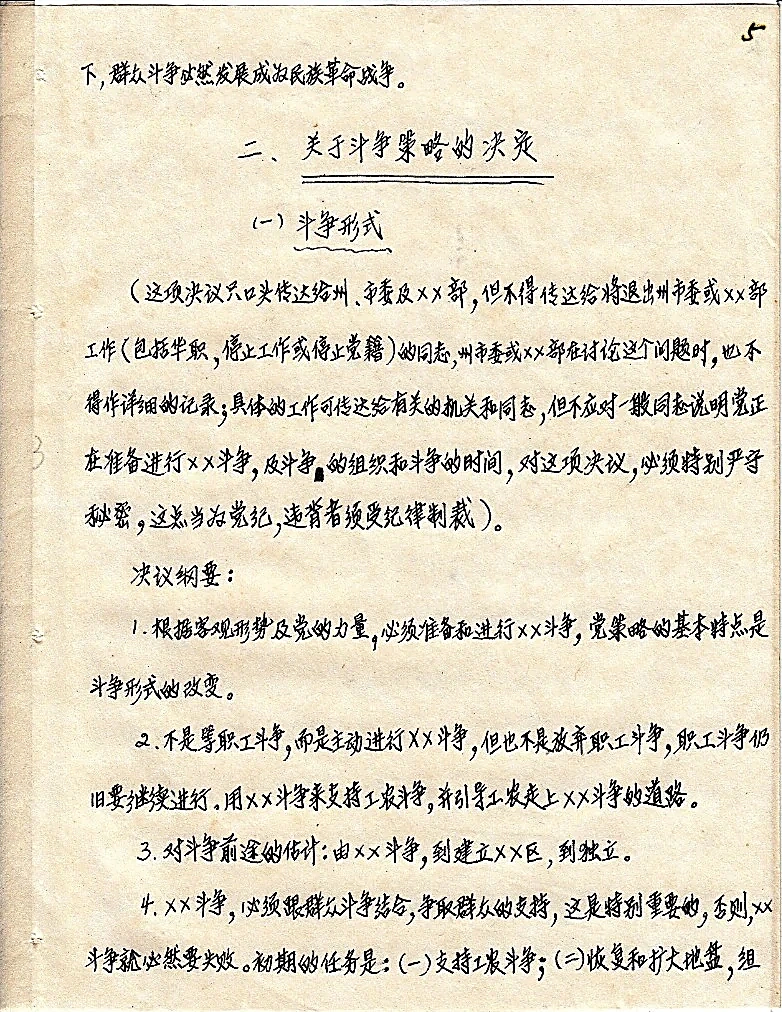
更为深远的是政治路线上的根本拨乱反正。在陈平、杨果主持下,马共中央历时近一年深入剖析了战后初期“莱特右倾机会主义与投降主义路线”的阶级本质,并于1948年3月第四次中央全会及1948年5月第五次中央全会上,先后通过了《目前形势与党的政策》、《检讨过去,认识现在:为彻底肃清莱特路线而斗争》以及《关于斗争策略的决定》等纲领性历史文献。上述决议彻底打破了对英国殖民当局“和平宪政恩赐”的虚妄幻想,明确指出面对英帝国主义日益加剧的暴力镇压,马共必须坚定依靠全马各族工农大众,积极开展把合法斗争转入地下武装自卫的战略准备。
历史很快验证了这一拨乱反正的决定性意义。正是由于马共在1947年5月至1948年5月间及时挖除了潜伏在心脏地带的内奸莱特,并在九中扩大会议与五中全会上完成了领导层重组与斗争策略转变,才使得马共在1948年6月英国殖民当局突然颁布“紧急状态令”、发动全马大搜捕时,能够迅速有序地转入热带丛林,组建马来亚民族解放军(MNLA),展开长达数十年的反殖民族解放战争。
Most critically, the new leadership carried out a fundamental rectification of the CPM's political line. Over the course of late 1947 and early 1948, the CPM Central Committee systematically analyzed the damage wrought by Lai Te's right-capitulationist line. At the Fourth Central Committee Plenum in March 1948 and the Fifth Central Committee Plenum in May 1948, the CPM adopted landmark resolutions including "The Current Situation and Party Policy," "Examine the Past, Understand the Present: Struggle to Thoroughly Eradicate the Lai Te Line," and the "Decision on Struggle Strategy." These documents dispelled illusions of peaceful constitutional concessions from British colonialism and mandated urgent preparations to transition from open mass organizations to underground self-defense.
Subsequent events proved the vital timeliness of this rectification. Because the CPM had excised the intelligence mole at its center between May 1947 and May 1948 and completed its ideological and organizational realignment under Chin Peng's leadership, the CPM was able to withstand the sudden colonial dragnet when Britain declared the Malayan Emergency in June 1948, reorganizing its forces into the Malayan National Liberation Army (MNLA) to wage a protracted war of national liberation.