战役专篇第12集:历史真相的庄严澄清与和平丰碑:1948年和丰突袭真实目的、陈平历史澄清与二十周年纪念大会致词
Campaign Feature 12: Solemn Clarification of Historical Truth and Monument to Peace: True Objective of the 1948 Sungei Siput Raid, Chin Peng's Clarifications, and His 20th Anniversary Speech
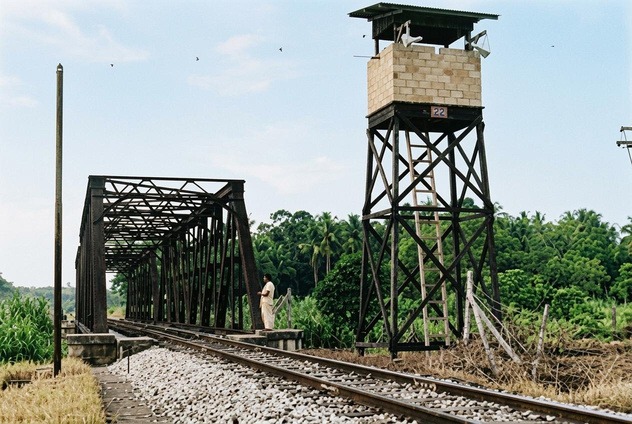
在半个多世纪的武装冲突落幕之际,马来亚共产党最高领导人陈平以高度的历史责任感,对殖民宣传长期歪曲的关键史实作出了庄严澄清:第一,引发1948年6月16日紧急状态的霹雳和丰种植园突袭,其真实目标是要求实施戒严、持有武器乘坐装甲车、雇用暴徒破坏罢工并作为殖民军事体制延伸的欧洲种植园主与工贼,而非橡胶产业本身,正如现场突袭队负责人平静留下的原话:“我们只针对欧洲工贼”;第二,除没收身份证外,马共中央政治局和中央委员会从未下令割毁橡胶树或暴力干扰公共交通;第三,在《合艾和平协议》签署二十周年纪念大会发言中,陈平深切悼念三方死难者与无辜平民並提议默哀一分钟,引述东姑阿都拉曼1974年关于“华玲谈判直接导致了国家独立”的历史定论,向所有为理想献身的优秀儿女与当代各族青年致以最崇高的敬意。
Looking back across half a century of armed conflict, CPM Secretary-General Chin Peng provided authoritative historical clarifications on key controversies distorted by colonial propaganda: first, that the June 16, 1948 Sungei Siput estate raids targeted armed European planters and strikebreakers who functioned as extensions of the colonial military apparatus rather than rubber assets—captured in the raid leader's calm words on the scene, 'We are out only for European strikebreakers'; second, that neither the Politburo nor the Central Committee ever ordered the slashing of rubber trees or violent disruption of public transport; and third, in his historic 20th Anniversary Speech, Chin Peng called for a minute of silence for all who perished on all three sides, cited Tunku Abdul Rahman's 1974 statement that the Baling Talks led directly to independence, and saluted the youth of all ethnicities and classes.
第一章:“我们只针对欧洲工贼”:1948年6月16日和丰种植园突袭的真实目标
Chapter 1: 'We Are Out Only for European Strikebreakers': True Objective of the June 16, 1948 Sungei Siput Raid
1948年6月16日发生在霹雳州和丰(Sungei Siput)埃尔菲尔德(Elphil)与菲利普(Phin Soon)橡胶种植园的突袭事件,被英国殖民当局直接用作在全马宣布“紧急状态”的导火索。长期以来,殖民主义史学将其渲染为针对平民与经济种植园的盲目恐怖袭击。然而,根据现场第一手历史档案与陈平的权威考证,和丰突袭的真实目标极其明确:针对的是充当殖民镇压急先锋的欧洲种植园主与破坏工人罢工的欧洲工贼,而非橡胶产业。
在1948年6月16日突袭现场,虽然游击队员在行动中烧毁了一座存有56,000磅橡胶的烟房,但突袭队那名讲流利马来语的负责人在骑脚踏车离开种植园前,曾十分平静地对在场的种植园书记(Chief Clerk)留下了载入史册的现场原话:“我们只针对欧洲工贼(We are out only for European strikebreakers)。”
为什么马来亚共产党将欧洲种植园主和经理视为合法的军事攻击目标?正如陈平所深刻剖析的:在战后的马来亚,这些欧洲种植园主绝非单纯的商业管理人员,而是英国殖民军事体制在基层的直接延伸。他们中的许多人本身就是英国第二次世界大战退伍军人,具备丰富的军事与情报经验;面对1947至1948年风起云涌的各族胶工争取基本生存权的罢工浪潮,正是这批欧洲种植园主竭力向殖民政府施压要求实施军事戒严,并且长期残酷剥削劳工、公然雇用武装暴徒殴打枪杀罢工工人以破坏罢工。在当时的种植园里,这些欧洲经理持有武器、乘坐装甲车巡视,并由雇佣暴徒贴身保护。因此,针对他们的打击完全是反抗殖民暴力镇压的阶级自卫行动。
The June 16, 1948 raids on rubber estates in Sungei Siput, Perak, served as the immediate trigger for the British colonial administration's declaration of the State of Emergency. While colonial historiography long portrayed the incident as indiscriminate economic terrorism, primary eyewitness records and Chin Peng's historical clarifications establish that the raid's true objective was specifically directed against European planters and strikebreakers, not rubber workers or the rubber economy itself.
Although guerrillas torched a smokehouse containing 56,000 pounds of rubber during the action, the Malay-speaking leader of the raiding party explicitly stated their real objective before cycling off, calmly telling the estate's chief clerk: 'We are out only for European strikebreakers.'
Why did the CPM regard European planters and estate managers as legitimate military targets? As Chin Peng explained, European planters in post-war Malaya were not mere civilian managers, but active extensions of the colonial military apparatus. Many were British World War II veterans with extensive military experience who vociferously demanded martial law, ruthlessly exploited workers, and hired armed thugs to violently break labor strikes. In post-war Malaya, these European planters carried firearms, drove armored cars, and surrounded themselves with paid thugs.
【历史真相澄清与1989年合艾光荣和平 · 终局历史影响定评】
★ 核心历史影响:从1941年抗日烽火到1989年《合艾和平协议》,马来亚共产党领导的人民武装历经48年不屈战斗,始终保持建制完整、纪律严明与根据地稳固。陈平总书记对1948年和丰事件与民生政策的庄严历史澄清,洗刷了殖民宣传强加于马共半个世纪的污名;而建立在战场不败实力基础上的1989年合艾光荣和平,不仅彻底终结了东南亚冷战最长的一场武装冲突,更为马来亚民族独立、民主宪政与战后世代和平铸就了不可磨灭的历史丰碑。[Historical Clarification & 1989 Honourable Peace in Haadyai · Ultimate Historical Impact]— 《马来亚共产党武装斗争历史战役全纪实》终局历史定评 | Ultimate Historical Impact Assessment, CPM Armed Struggle Historical Campaigns Archive
★ Core Historical Impact: Across 48 years of armed struggle (1941–1989), the CPM-led forces remained unbroken in organization and undefeated on the battlefield. Chin Peng's authoritative historical clarifications dispelled decades of colonial distortion, while the 1989 Haadyai Peace Accord achieved an honourable peace grounded in undefeated battlefield strength.
1948年6月16日发生在霹雳州和丰(Sungei Siput)埃尔菲尔德(Elphil)与菲利普(Phin Soon)橡胶种植园的突袭事件,被英国殖民当局直接用作在全马宣布“紧急状态”的导火索。长期以来,殖民主义史学将其渲染为针对平民与经济种植园的盲目恐怖袭击。然而,根据现场第一手历史档案与陈平的权威考证,和丰突袭的真实目标极其明确:针对的是充当殖民镇压急先锋的欧洲种植园主与破坏工人罢工的欧洲工贼,而非橡胶产业。
在1948年6月16日突袭现场,虽然游击队员在行动中烧毁了一座存有56,000磅橡胶的烟房,但突袭队那名讲流利马来语的负责人在骑脚踏车离开种植园前,曾十分平静地对在场的种植园书记(Chief Clerk)留下了载入史册的现场原话:“我们只针对欧洲工贼(We are out only for European strikebreakers)。”
为什么马来亚共产党将欧洲种植园主和经理视为合法的军事攻击目标?正如陈平所深刻剖析的:在战后的马来亚,这些欧洲种植园主绝非单纯的商业管理人员,而是英国殖民军事体制在基层的直接延伸。他们中的许多人本身就是英国第二次世界大战退伍军人,具备丰富的军事与情报经验;面对1947至1948年风起云涌的各族胶工争取基本生存权的罢工浪潮,正是这批欧洲种植园主竭力向殖民政府施压要求实施军事戒严,并且长期残酷剥削劳工、公然雇用武装暴徒殴打枪杀罢工工人以破坏罢工。在当时的种植园里,这些欧洲经理持有武器、乘坐装甲车巡视,并由雇佣暴徒贴身保护。因此,针对他们的打击完全是反抗殖民暴力镇压的阶级自卫行动。
The June 16, 1948 raids on rubber estates in Sungei Siput, Perak, served as the immediate trigger for the British colonial administration's declaration of the State of Emergency. While colonial historiography long portrayed the incident as indiscriminate economic terrorism, primary eyewitness records and Chin Peng's historical clarifications establish that the raid's true objective was specifically directed against European planters and strikebreakers, not rubber workers or the rubber economy itself.
Although guerrillas torched a smokehouse containing 56,000 pounds of rubber during the action, the Malay-speaking leader of the raiding party explicitly stated their real objective before cycling off, calmly telling the estate's chief clerk: 'We are out only for European strikebreakers.'
Why did the CPM regard European planters and estate managers as legitimate military targets? As Chin Peng explained, European planters in post-war Malaya were not mere civilian managers, but active extensions of the colonial military apparatus. Many were British World War II veterans with extensive military experience who vociferously demanded martial law, ruthlessly exploited workers, and hired armed thugs to violently break labor strikes. In post-war Malaya, these European planters carried firearms, drove armored cars, and surrounded themselves with paid thugs.
现场原话引用:在骑车离开前,突袭队那名说马来语的负责人平静地对种植园总书记说:“我们只针对欧洲工贼。”
陈平历史阐释:“种植园主是合法的攻击目标。他们要求实施戒严,并有剥削工人以及雇用暴徒破坏罢工的历史。他们中许多人是英国二战退伍军人,具备丰富的军事经验。在战后的马来亚,他们持有武器,乘坐装甲车,并由雇佣暴徒随身保护。”Direct Quote on the Scene: Before cycling off, the Malay-speaking leader of the raiding party calmly told the estate's chief clerk: 'We are out only for European strikebreakers.'— 1948年6月16日和丰种植园突袭现场原话记录及陈平《我方的历史》权威阐释 | Eyewitness Record of the June 16, 1948 Sungei Siput Raid & Chin Peng's Historical Clarification
Chin Peng's Clarification: 'Planters were legitimate targets because they demanded martial law and historically exploited workers by hiring thugs to break strikes. Many were British World War II veterans with extensive military experience. In post-war Malaya, they were armed, drove armored cars, and surrounded themselves with paid thugs.'
第二章:关于割毁橡胶树与干扰公共交通的中央决策澄清
Chapter 2: Clarification on Central Committee Policy Regarding Rubber Trees and Public Transportation
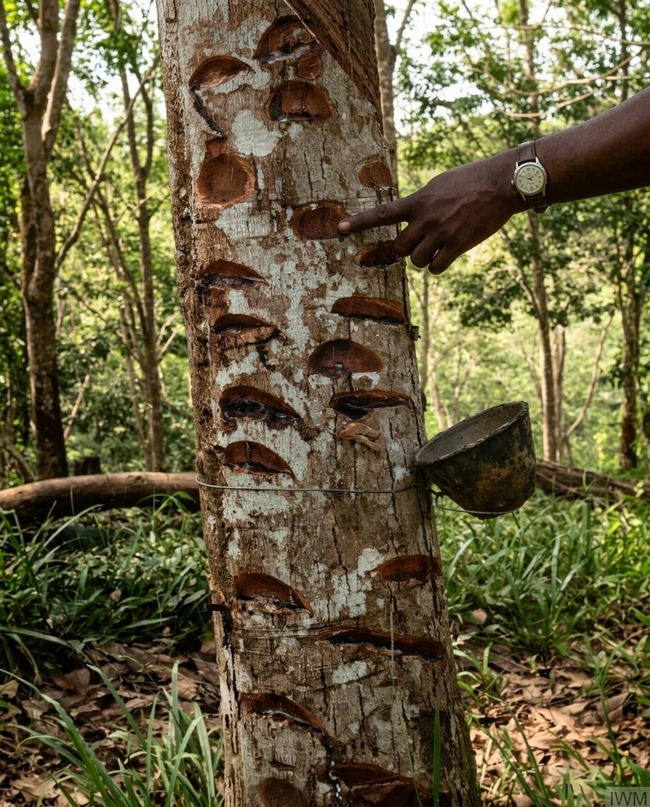
在抗英民族解放战争初期,马来亚各地曾出现过大范围割毁种植园橡胶树以及焚烧公共巴士等破坏行动(见下方五幅历史实照),这些行为不仅直接影响了底层割胶工人与普通民众的生计,更被英国殖民宣传机器大肆利用以孤立游击队。
对此,马共中央总书记陈平以实事求是的历史态度作出了明确澄清:在抗英战争期间,除了下令没收殖民当局用以实行人口控制与饥饿封锁的“身份证”(Identity Cards)之外,马共中央政治局和马共中央委员会都从未下令破坏橡胶树,也从未下令暴力干扰公共交通!那些在各地大范围发生的割毁胶树与烧毁巴士行为,均源于当时通讯隔绝条件下个别地方指挥人员的自行指令。陈平坦率总结道:“从宣传角度来看,这让我们付出了沉重的代价。”随后马共中央在1951年《十月决议》中坚决纠正并严令禁止一切损害群众切身利益的过左盲动做法。
During the early years of the Anti-British War, widespread incidents of slashing rubber trees and burning public buses occurred across several states (illustrated in the five archival photographs below), actions that were heavily exploited by British colonial psychological warfare to alienate the public.
Addressing this historical question directly, CPM Secretary-General Chin Peng categorically clarified that apart from the confiscation of colonial registration identity cards, neither the Politburo nor the Central Committee of the CPM ever issued orders for the destruction of rubber trees or the violent disruption of public transportation. Where such actions occurred on a large scale, they resulted from unauthorized local orders under conditions of severed jungle communications, and as Chin Peng candidly noted, 'From a propaganda standpoint, they cost us dearly.' In the October 1951 Resolutions, the CPM Central Committee strictly prohibited any actions detrimental to the livelihood of the masses.
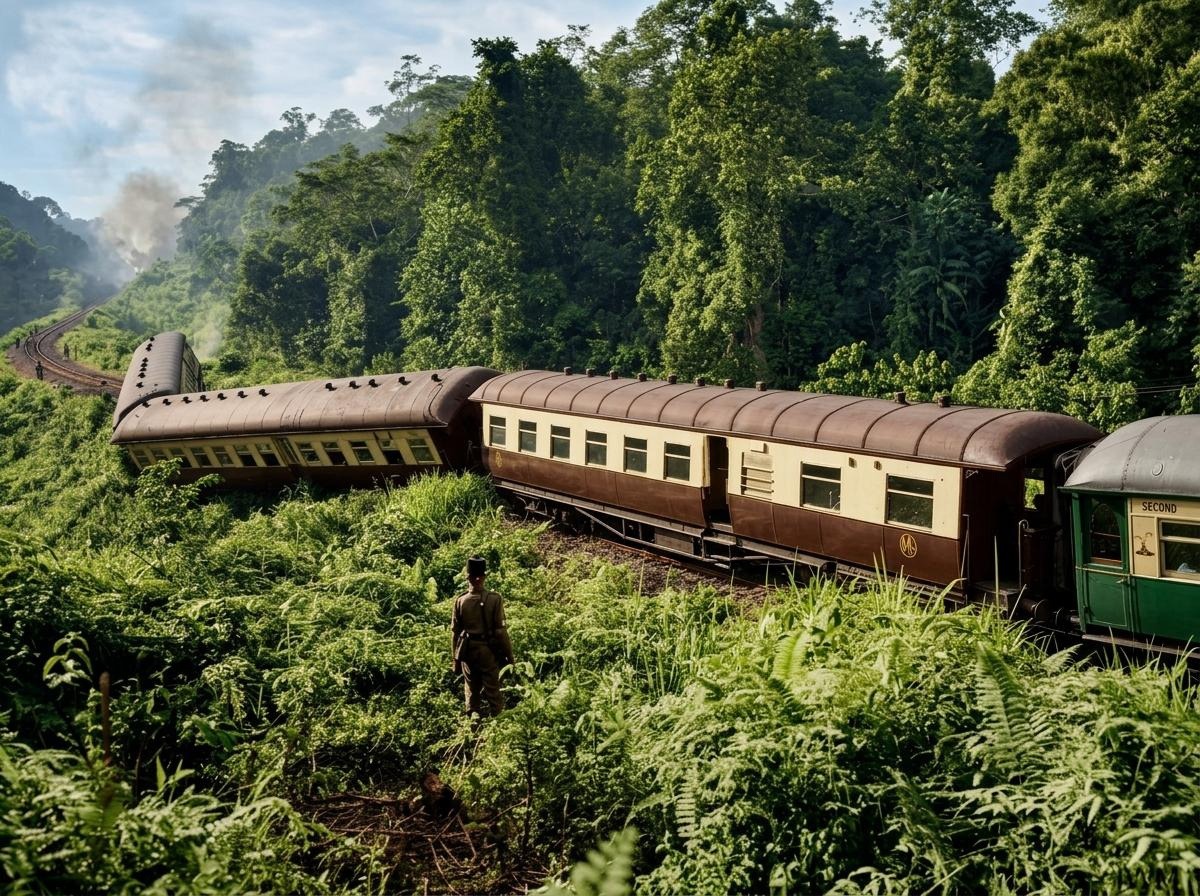
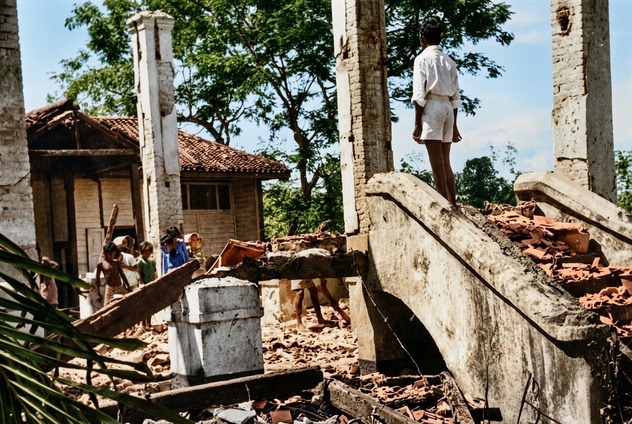
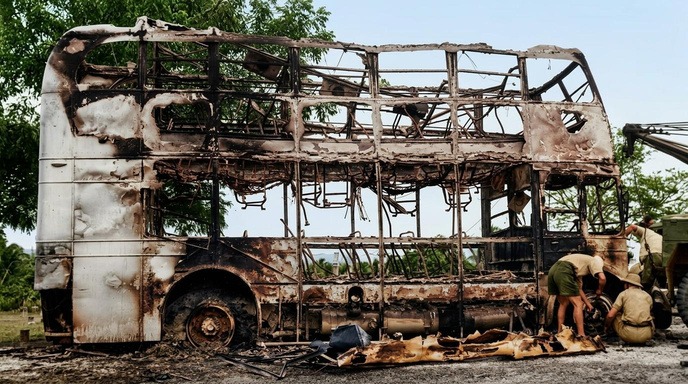
我可以明确指出,除了没收身份证外,政治局和中央委员会都从未下令破坏橡胶树,也没有下令暴力干扰公共交通。然而,这些破坏确实在大范围内发生了,它们似乎源于地方个人的指令。从宣传角度来看,这让我们付出了沉重的代价。I can categorically state that apart from the confiscation of identity cards, neither the Politburo nor the Central Committee issued orders for the destruction of rubber trees or the violent disruption of public transportation. But these things did happen on a large scale and appeared to result from individual orders. From a propaganda standpoint, they cost us dearly.— 陈平(Chin Peng)关于马共中央政策与地方过左行为的历史澄清 | Chin Peng's Clarification on CPM Central Committee Policy
第三章:不枉此生,死而无憾:陈平在二十周年纪念大会上的历史性致词
Chapter 3: A Meaningful Life With No Regrets: Chin Peng's Historic Speech at the 20th Anniversary Assembly
在纪念《合艾和平协议》签署二十周年大会上,马共中央总书记陈平发表了感人至深、超越时代恩怨的历史性致词。面对长达四十余年的武装流血冲突,这位毕生致力于民族解放事业的革命老人在发言开篇便展现出深沉的人道主义胸怀:他对在漫长武装冲突中不幸丧生的平民以及三方(马共、马来西亚政府军警、泰国军警)惨重伤亡的人员表达了极度难过与痛惜,并庄严提议全场起立默哀一分钟,祈愿所有在战争中逝去的生命安息。
紧接着,陈平以无可辩驳的历史事实重申了马来亚共产党在推翻日本法西斯与英国殖民统治、促成马来亚独立进程中的历史功绩:他特别指出,马来西亚政府清楚知道马共为从日本和英国统治下解放马来亚所做出的贡献;早在1974年,马来西亚国父东姑阿都拉曼(Tunku Abdul Rahman)便曾公开明确指出,“1955年的华玲谈判直接导致了1957年的国家独立”。
在发言的最后,陈平用最真挚的语言总结了一代马共革命者的崇高理想与精神遗产:“我们的梦想是一个人人平等和备受尊重的社会。向那些为理想奉献一生的优秀儿女表达最衷心的感谢与崇高敬意。你们的牺牲彰显了对国家和人民的深厚情感。只要曾为他人建设更美好的世界而努力,便是不枉此生,死而无憾。尽管未获胜利,我们仍为后代留下了敢于斗争、甘为理想奉献生命的宝贵精神。令人欣慰的是,如今我国各阶层、各民族的青年正继续为理想社会而奋斗。在此向他们致敬。”这段掷地有声的结语,为半个多世纪的马来亚革命战史画上了悲壮而崇高的历史句号。
In his historic address at the 20th Anniversary commemorative assembly, CPM Secretary-General Chin Peng delivered a profound reflection on the cost of war, the historical contribution of the CPM to national independence, and the enduring legacy of the revolutionary generation. Opening with deep humanitarian empathy, he expressed profound sorrow for the civilian lives lost and the heavy casualties suffered by all three sides during the long years of armed conflict, calling for a minute of silence so that all who perished might rest in peace.
Reaffirming the historical role of the Party in liberating Malaya from Japanese occupation and British colonial rule, Chin Peng noted that in 1974, Malaysia's founding Prime Minister Tunku Abdul Rahman had explicitly stated that the 1955 Baling Talks led directly to the achievement of national independence.
Concluding his tribute, Chin Peng articulated the timeless ideal that animated generations of revolutionary fighters: 'Our dream is a society where everyone is treated equally and with respect. I extend my heartfelt gratitude and highest tribute to the outstanding individuals who dedicated their lives to this ideal. Your sacrifices demonstrate a profound love for our country and people. To have strived for a better world for others is to have lived a meaningful life with no regrets. Though victory eluded us, we left future generations a legacy of courage to struggle and a willingness to sacrifice for their ideals. It is heartening to see that today, young people from all classes and ethnicities across our nation continue to strive for an ideal society. I salute them.'
1. 在多年的武装冲突中,平民不幸丧生,三方人员也伤亡惨重,对此我感到极为难过。战争的代价是重大而惨痛的。为了悼念死难者,我想在这里默哀一分钟,愿逝者安息。(默哀一分钟)
2. 马来西亚政府清楚知道我们为从日本和英国统治下解放马来亚所做出的贡献。1974年,东姑曾明确指出,华玲谈判直接导致了国家独立。
3. 我们的梦想是一个人人平等和备受尊重的社会。向那些为理想奉献一生的优秀儿女表达最衷心的感谢与崇高敬意。你们的牺牲彰显了对国家和人民的深厚情感。只要曾为他人建设更美好的世界而努力,便是不枉此生,死而无憾。
4. 尽管未获胜利,我们仍为后代留下了敢于斗争、甘为理想奉献生命的宝贵精神。令人欣慰的是,如今我国各阶层、各民族的青年正继续为理想社会而奋斗。在此向他们致敬。1. I am deeply saddened by the loss of civilian lives and the heavy casualties suffered by all three sides during the long years of armed conflict. The cost of war is devastating and painful. To honor those who perished, I would like to observe a minute of silence here. May they rest in peace. (A minute of silence)— 陈平在20周年纪念大会上的发言(Chin Peng's Speech at the 20th Anniversary) | Chin Peng's Speech at the 20th Anniversary Commemorative Assembly
2. The Malaysian government is well aware of our contributions to liberating Malaya from Japanese and British rule. In 1974, Tunku explicitly stated that the Baling Talks led directly to independence.
3. Our dream is a society where everyone is treated equally and with respect. I extend my heartfelt gratitude and highest tribute to the outstanding individuals who dedicated their lives to this ideal. Your sacrifices demonstrate a profound love for our country and people. To have strived for a better world for others is to have lived a meaningful life with no regrets.
4. Though victory eluded us, we left future generations a legacy of courage to struggle and a willingness to sacrifice for their ideals. It is heartening to see that today, young people from all classes and ethnicities across our nation continue to strive for an ideal society. I salute them.