第23集:电波里的革命力量:《马来亚革命之声》广播电台(1969–1981)
Episode 23: Revolutionary Power on the Airwaves: Voice of the Malayan Revolution (VMR, 1969–1981)

1969年11月15日,在中国湖南益阳深山绝密的“691工程”军管区内,一声穿透南中国海上空的强劲电波划破长空:“这里是马来亚革命之声广播电台!”这一由马共中央创设的地下广播网络,以两台25千瓦大功率短波发射机(双机一主一备)、多波段与四语多方言矩阵,冲破了吉隆坡与新加坡当局的严密新闻封锁。作为战后马来亚民族解放同盟(解盟)海外外交战线的战略延伸与舆论前锋,《马来亚革命之声》不仅是丛林战壕与胶园地下网络的思想灯塔,更在冷战亚洲构建起跨越国界的“声响国际主义”情感共同体。从湖南深山地洞到泰马边境的《马来亚民主之声》,这段跨越十二载的电波传奇,以铁证如山的档案文献,铭刻了革命先驱以声音重塑历史主体的坚韧史诗。
On 15 November 1969, from within the top-secret military-administered zone of Project 691 hidden in the mountains of Yiyang, Hunan, a powerful shortwave transmission pierced the skies over the South China Sea: 'This is the Voice of the Malayan Revolution!' Established by the CPM Central Committee with dual 25-kilowatt shortwave transmitters (primary and backup units), multiple frequency bands, and a multilingual, multi-dialect matrix, this underground broadcasting network decisively shattered the media embargo imposed by Kuala Lumpur and Singapore. Serving as the strategic overseas vanguard of the Malayan National Liberation League (MNLL), the Voice of Malayan Revolution was far more than an intellectual beacon for rainforest bivouacs and rubber-estate secret networks: it engineered an 'acoustic internationalism' and emotional solidarity that transcended Cold War borders. From deep underground transmission caves in Hunan to the mobile jungle airwaves of the Voice of Malayan Democracy, this twelve-year broadcasting saga stands as an indelible testament to revolutionaries who contested sovereign narratives and sustained popular liberation through sound.
第一章:从外交前沿到秘密电波:691工程领导中枢的益阳集结
Chapter 1: From the Diplomatic Front to Clandestine Airwaves: The Assembly of Project 691 Editorial Core in Yiyang
1969年《马来亚革命之声》广播电台的破空诞生,绝非孤立的技术突围,而是战后马来亚民族解放统一战线在经历数十年激荡后,于意识形态与跨国舆论战场的战略汇聚。1968年6月20日,马共中央发表纪念抗英民族解放战争二十周年的“六二〇声明”,吹响了开展第二次武装斗争新高潮的进军号角;1969年“五一三”事件后,吉隆坡与新加坡当局实施全国戒严,全面垄断报刊、广播等国家宣传机器,对各族进步运动与革命游击区实施空前严密的舆论封锁。在这一严峻时刻,建立一座功率强大、能直接穿透南中国海阻隔、向全马各族同胞传递真实战况与政治纲领的秘密电台,成为马共中央打破新闻封锁的迫切战略抉择。
这一宏大工程的政治基石与核心干部班底,正是源自具有深厚理论积淀与海外统战经验的马来亚民族解放同盟(解盟)。以P.V.沙尔玛、余柱业、阿杜拉·苏丁等为核心的解盟驻京代表团,在经历印尼右翼政变暗牢营救与亚非反帝外交多边舞台的严峻考验后,在多语文献起草、跨国统战及涉外宣传方面积累了深厚的政治底蕴。随着解盟圆满完成其历史性的海外代表建制任务,1969年8月,马共中央审时度势,作出重大组织决议:将解盟驻京外交班底成建制转入隐蔽电波战线,调往湖南深山进驻代号为“691工程”的绝密军管营地,作为广播电台政治与多语编辑部的骨干中枢。
在湖南益阳四方山脚下(691工程营区),这批老练的外交与统战知识分子与先期抵湘的马共中央代表陈田(化名庄声,曾任1955年华玲会谈马共主要代表)紧密会合。根据马共中央统一部署,电台领导中枢迅速搭建完备:由陈田出任总编辑,余柱业(化名张胜)出任副总编辑兼资料组主管,P.V.沙尔玛主持英文与泰米尔语组,阿杜拉·苏丁主持马来语组。为了严守军事绝密,进驻691工程的全体骨干一律切断与外界的私人往来,改用代号与化名,日常生活与采编均在军管掩体内进行,所有往来书信与绝密文电统一通过北京特种机要交通线专送。
进入1969年秋季,益阳深山地洞内的机房调试与天线校准进入最后倒计时。在陈田与余柱业的主持下,多语编辑部夜以继日地翻译、校订开播社论与马共中央重大文献,严密监听东南亚各大广播电台与国际通讯社电讯,为即将打响的空中舆论反击战做足周密准备。1969年11月15日晚,当《马来亚民族解放军进行曲》庄严的前奏曲划破夜空(后调整为《解放马来亚》,收台曲为《光荣的旗帜》),宣告《马来亚革命之声》正式开播,这支由外交先锋转型而来的电波中枢,正式开启了历时十二载的红色空中文宣史诗。
Viewed within the broader historical arc of post-war Southeast Asian decolonization, the inception of the Voice of the Malayan Revolution (VMR) radio station in 1969 was by no means an isolated technical breakthrough, but the strategic culmination of the Malayan national liberation united front's decades-long evolution across ideological and international media fronts. On 20 June 1968, the CPM Central Committee issued its historic 'June 20 Statement' commemorating the 20th anniversary of the Anti-British National Liberation War, sounding the clarion call for the Second Wave of Armed Struggle. Following the May 13 Incident of 1969, the Kuala Lumpur and Singapore regimes declared national martial law, monopolising state press and broadcast apparatuses while imposing an unprecedented media blackout on progressive movements and revolutionary base areas. In this critical juncture, constructing a high-powered clandestine radio transmitter capable of piercing across the South China Sea to broadcast truth and political programmes directly to all Malayan nationalities became the CPM Central Committee's urgent strategic imperative.
The political foundation and cadre core of this undertaking derived directly from the Malayan National Liberation League (MNLL), which possessed rich theoretical rigor and overseas united front experience. The MNLL Beijing permanent mission, led by P.V. Sarma, Eu Chooi Yip, and Abdullah Sudin, had endured the trials of Indonesian prison dungeons and represented Malayan anti-colonial aspirations across Afro-Asian diplomatic forums, amassing profound experience in multilingual drafting, international diplomacy, and revolutionary advocacy. As the MNLL concluded its historical overseas representation mandate, the CPM Central Committee made a decisive organizational reassignment in August 1969: transferring the seasoned diplomatic cadre en bloc to the clandestine radio front, dispatching them to the top-secret military facility codenamed 'Project 691' in the mountains of Hunan to serve as the editorial core of the new station.
At the foot of Sifang Mountain in Yiyang, Hunan (Project 691 facility), these veteran diplomats reunited with CPM Central Committee representative Chen Tian (pseudonym Zhuang Sheng, principal CPM delegate at the 1955 Baling Talks). Under the unified command of the CPM Central Committee, the station's editorial leadership was swiftly constituted: Chen Tian was appointed Chief Editor, Eu Chooi Yip (pseudonym Zhang Sheng) became Deputy Chief Editor and Director of Archival Documentation, P.V. Sarma headed the English and Tamil sections, and Abdullah Sudin led the Malay section. To maintain the highest standard of military secrecy, all personnel inside Project 691 severed private outside contact, adopted code names, and conducted their daily work strictly within the secured perimeter, relying exclusively on special confidential courier lines routed through Beijing for all sensitive documents and communications.
As autumn 1969 arrived, subterranean technical tuning and antenna alignment entered their final countdown. Under the direction of Chen Tian and Eu Chooi Yip, the multilingual editorial corps worked around the clock translating and polishing opening communiqués and pivotal CPM Central Committee documents, while closely monitoring regional broadcasts and international news wires. On the evening of 15 November 1969, as the solemn opening chords of 'The March of the Malayan National Liberation Army' (later adapted into 'Liberate Malaya', with 'Glorious Banner' as the sign-off tune) resonated across the nocturnal skies, the Voice of the Malayan Revolution commenced its maiden broadcast: marking the heroic debut of an overseas diplomatic cohort reborn as the vanguard of a twelve-year acoustic revolution.
1969年《马来亚革命之声》广播电台的破空诞生,绝非孤立的技术突围,而是战后马来亚民族解放统一战线在经历数十年激荡后,于意识形态与跨国舆论战场的战略汇聚。1968年6月20日,马共中央发表纪念抗英民族解放战争二十周年的“六二〇声明”,吹响了开展第二次武装斗争新高潮的进军号角;1969年“五一三”事件后,吉隆坡与新加坡当局实施全国戒严,全面垄断报刊、广播等国家宣传机器,对各族进步运动与革命游击区实施空前严密的舆论封锁。在这一严峻时刻,建立一座功率强大、能直接穿透南中国海阻隔、向全马各族同胞传递真实战况与政治纲领的秘密电台,成为马共中央打破新闻封锁的迫切战略抉择。
这一宏大工程的政治基石与核心干部班底,正是源自具有深厚理论积淀与海外统战经验的马来亚民族解放同盟(解盟)。以P.V.沙尔玛、余柱业、阿杜拉·苏丁等为核心的解盟驻京代表团,在经历印尼右翼政变暗牢营救与亚非反帝外交多边舞台的严峻考验后,在多语文献起草、跨国统战及涉外宣传方面积累了深厚的政治底蕴。随着解盟圆满完成其历史性的海外代表建制任务,1969年8月,马共中央审时度势,作出重大组织决议:将解盟驻京外交班底成建制转入隐蔽电波战线,调往湖南深山进驻代号为“691工程”的绝密军管营地,作为广播电台政治与多语编辑部的骨干中枢。
Viewed within the broader historical arc of post-war Southeast Asian decolonization, the inception of the Voice of the Malayan Revolution (VMR) radio station in 1969 was by no means an isolated technical breakthrough, but the strategic culmination of the Malayan national liberation united front's decades-long evolution across ideological and international media fronts. On 20 June 1968, the CPM Central Committee issued its historic 'June 20 Statement' commemorating the 20th anniversary of the Anti-British National Liberation War, sounding the clarion call for the Second Wave of Armed Struggle. Following the May 13 Incident of 1969, the Kuala Lumpur and Singapore regimes declared national martial law, monopolising state press and broadcast apparatuses while imposing an unprecedented media blackout on progressive movements and revolutionary base areas. In this critical juncture, constructing a high-powered clandestine radio transmitter capable of piercing across the South China Sea to broadcast truth and political programmes directly to all Malayan nationalities became the CPM Central Committee's urgent strategic imperative.
The political foundation and cadre core of this undertaking derived directly from the Malayan National Liberation League (MNLL), which possessed rich theoretical rigor and overseas united front experience. The MNLL Beijing permanent mission, led by P.V. Sarma, Eu Chooi Yip, and Abdullah Sudin, had endured the trials of Indonesian prison dungeons and represented Malayan anti-colonial aspirations across Afro-Asian diplomatic forums, amassing profound experience in multilingual drafting, international diplomacy, and revolutionary advocacy. As the MNLL concluded its historical overseas representation mandate, the CPM Central Committee made a decisive organizational reassignment in August 1969: transferring the seasoned diplomatic cadre en bloc to the clandestine radio front, dispatching them to the top-secret military facility codenamed 'Project 691' in the mountains of Hunan to serve as the editorial core of the new station.
马来亚各族工农大众、革命战士和各阶层爱国同胞们!《马来亚革命之声》广播电台今天正式开播了!电台的诞生,宣告了英帝国主义与反动政权对新闻和舆论垄断的破产,是全马各民族人民争取民族独立与人民解放事业夺回真理话语权的战略进军号角!Workers, peasants, revolutionary fighters, and patriotic compatriots of all nationalities in Malaya! The Voice of the Malayan Revolution radio station officially commences broadcasting today! The birth of this station decisively shatters the imperialist and reactionary monopoly over news and public opinion, sounding the strategic clarion call for the people to reclaim narrative sovereignty in their struggle for national independence and popular liberation!— 《马来亚革命之声》广播电台开播社论第一号手稿(1969年11月15日播发) | Voice of the Malayan Revolution Inaugural Broadcast Editorial Manuscript No. 1 (Aired 15 November 1969)
在湖南益阳四方山脚下(691工程营区),这批老练的外交与统战知识分子与先期抵湘的马共中央代表陈田(化名庄声,曾任1955年华玲会谈马共主要代表)紧密会合。根据马共中央统一部署,电台领导中枢迅速搭建完备:由陈田出任总编辑,余柱业(化名张胜)出任副总编辑兼资料组主管,P.V.沙尔玛主持英文与泰米尔语组,阿杜拉·苏丁主持马来语组。为了严守军事绝密,进驻691工程的全体骨干一律切断与外界的私人往来,改用代号与化名,日常生活与采编均在军管掩体内进行,所有往来书信与绝密文电统一通过北京特种机要交通线专送。
进入1969年秋季,益阳深山地洞内的机房调试与天线校准进入最后倒计时。在陈田与余柱业的主持下,多语编辑部夜以继日地翻译、校订开播社论与马共中央重大文献,严密监听东南亚各大广播电台与国际通讯社电讯,为即将打响的空中舆论反击战做足周密准备。1969年11月15日晚,当《马来亚民族解放军进行曲》庄严的前奏曲划破夜空(后调整为《解放马来亚》,收台曲为《光荣的旗帜》),宣告《马来亚革命之声》正式开播,这支由外交先锋转型而来的电波中枢,正式开启了历时十二载的红色空中文宣史诗。
At the foot of Sifang Mountain in Yiyang, Hunan (Project 691 facility), these veteran diplomats reunited with CPM Central Committee representative Chen Tian (pseudonym Zhuang Sheng, principal CPM delegate at the 1955 Baling Talks). Under the unified command of the CPM Central Committee, the station's editorial leadership was swiftly constituted: Chen Tian was appointed Chief Editor, Eu Chooi Yip (pseudonym Zhang Sheng) became Deputy Chief Editor and Director of Archival Documentation, P.V. Sarma headed the English and Tamil sections, and Abdullah Sudin led the Malay section. To maintain the highest standard of military secrecy, all personnel inside Project 691 severed private outside contact, adopted code names, and conducted their daily work strictly within the secured perimeter, relying exclusively on special confidential courier lines routed through Beijing for all sensitive documents and communications.
As autumn 1969 arrived, subterranean technical tuning and antenna alignment entered their final countdown. Under the direction of Chen Tian and Eu Chooi Yip, the multilingual editorial corps worked around the clock translating and polishing opening communiqués and pivotal CPM Central Committee documents, while closely monitoring regional broadcasts and international news wires. On the evening of 15 November 1969, as the solemn opening chords of 'The March of the Malayan National Liberation Army' (later adapted into 'Liberate Malaya', with 'Glorious Banner' as the sign-off tune) resonated across the nocturnal skies, the Voice of the Malayan Revolution commenced its maiden broadcast: marking the heroic debut of an overseas diplomatic cohort reborn as the vanguard of a twelve-year acoustic revolution.
第二章:深山绝密“691工程”:发射地洞、天线阵列与四语多方言广播网络
Chapter 2: The Top-Secret Project 691 in Mountain Depths: Underground Transmission Caves, Antenna Arrays, and Multilingual Broadcasting Matrix
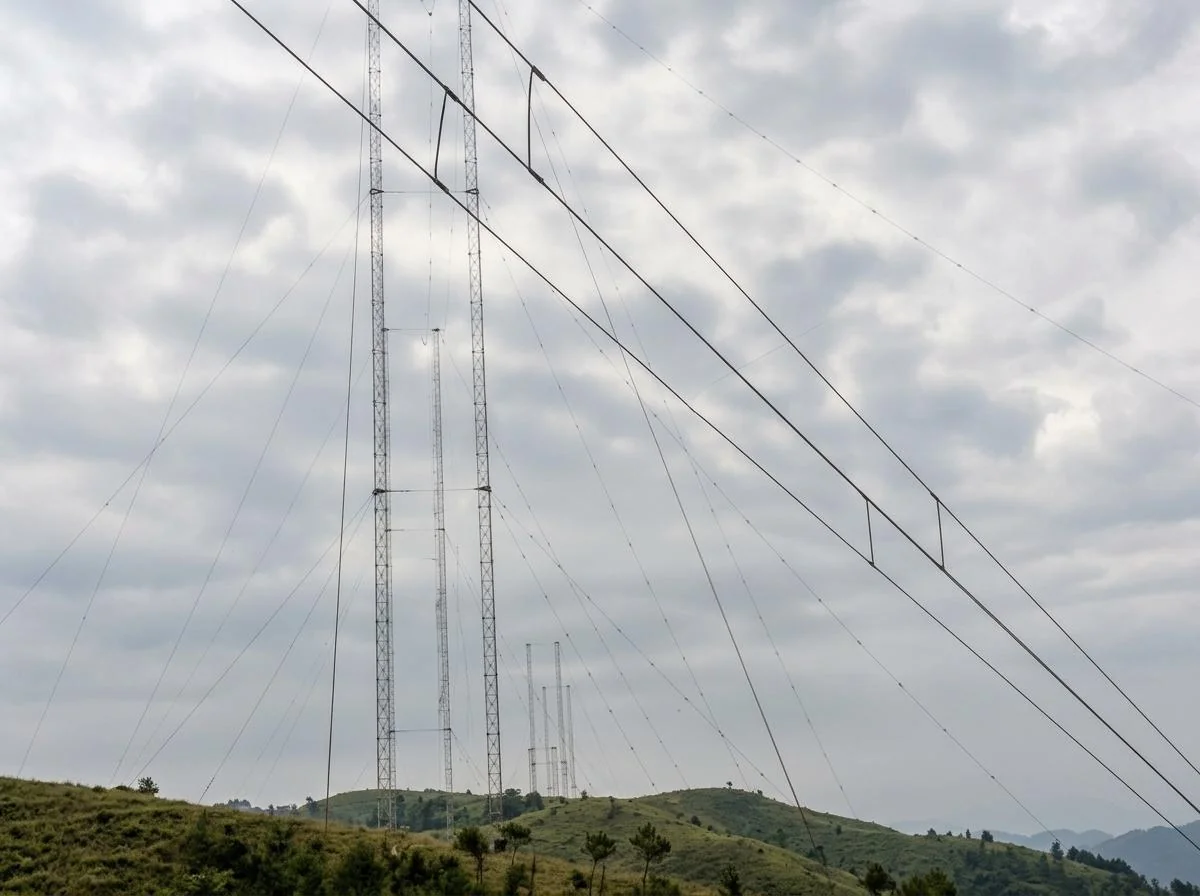
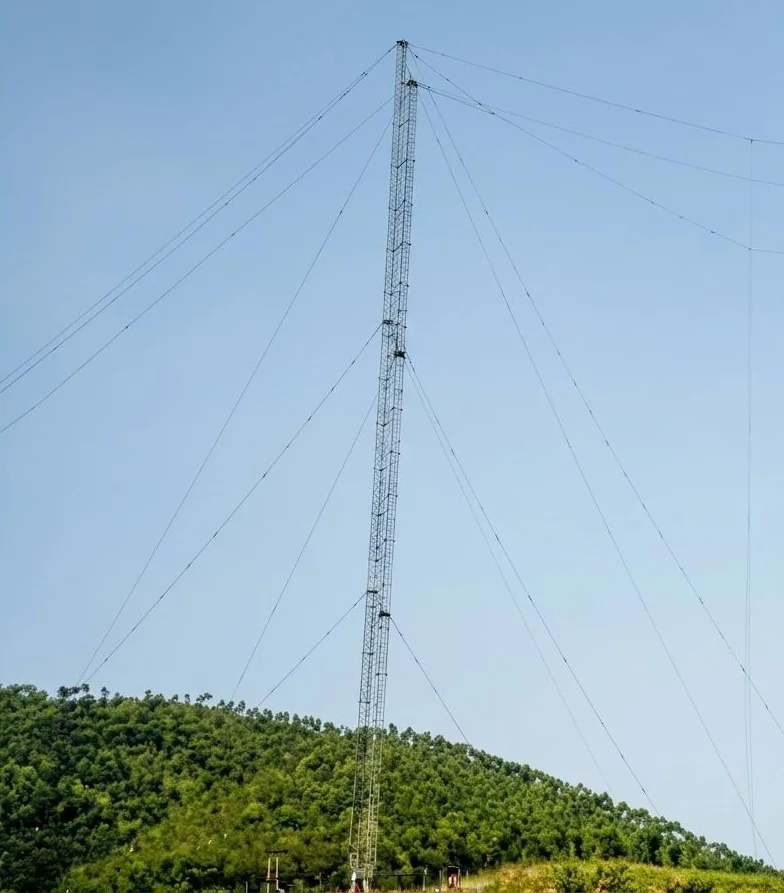
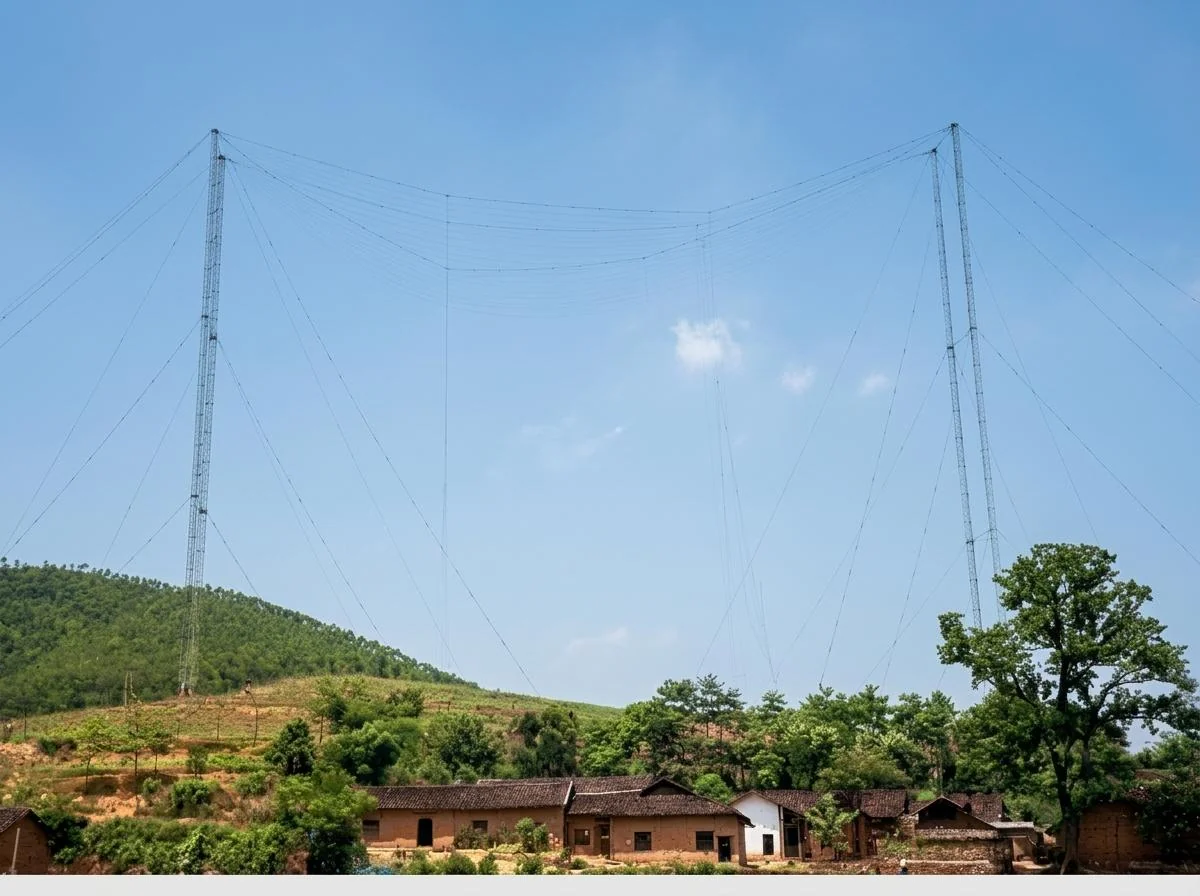
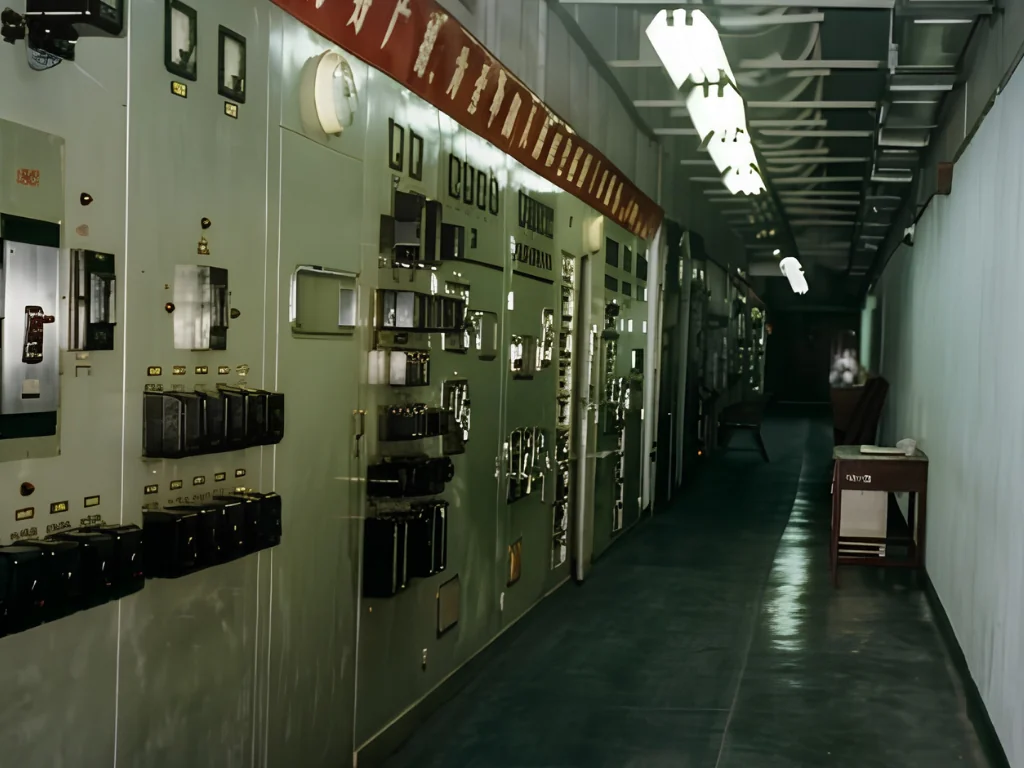
1960年代末,随着国际冷战与第三世界民族解放运动的深入发展,中国共产党出于崇高的无产阶级国际主义义务,积极响应马共中央总书记陈平的正式请求,由国务院和中央军委特批,在湖南省益阳市赫山区岳家桥镇四方山一带开辟绝密军事管制区,代号为“691工程”。该工程坐落于群山环抱、地势险要的崇山峻岭之中,实行高度严密的对外保密管理。工程的核心枢纽深挖于山体地洞内部,配备了当时处于先进水平的两台25千瓦大功率短波发射机(双机一主一备)、两台250马力柴油发电机组、防空地下录音室、多功能音频制作机房以及恒温磁带储藏库。山顶则架设起多向菱形短波天线阵列,电波发射角度经精密测算,专门精准覆盖马来亚半岛、新加坡、加里曼丹岛以及东南亚群岛。
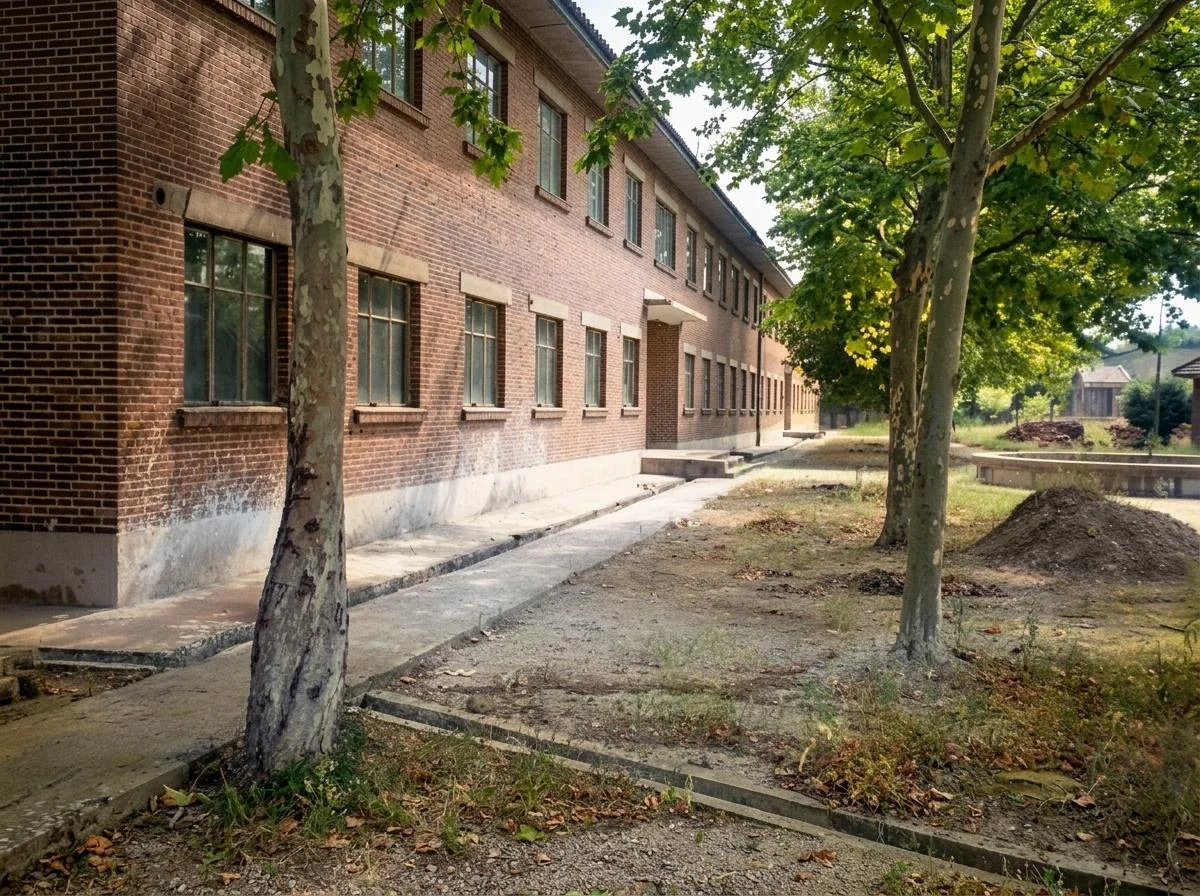
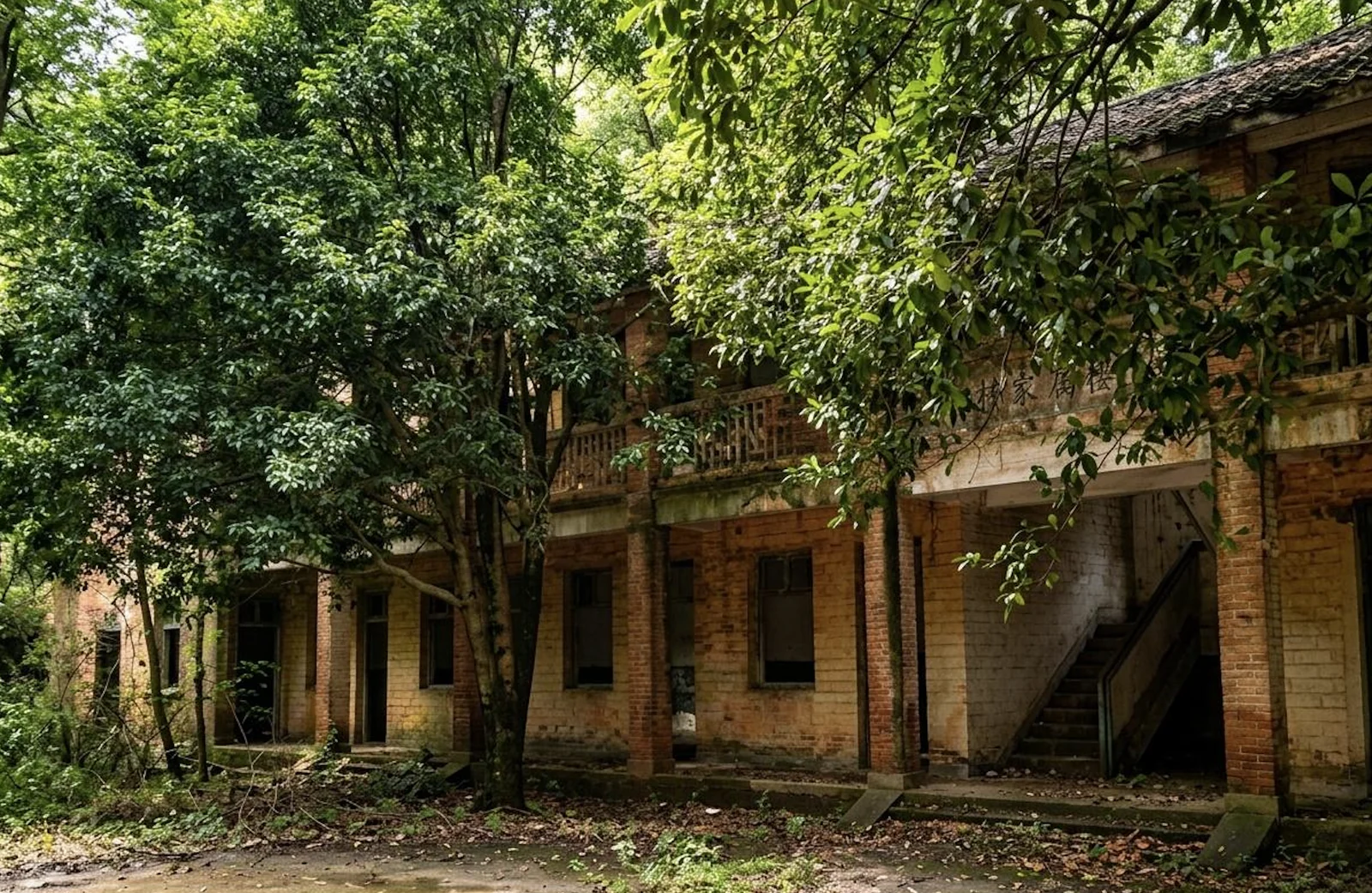
除了坚固隐蔽的地下技术中枢,“691工程”还建有一座设施完备的地面生活与行政工作综合区。建筑群依山就势,包括陈平总书记的秘密工作驻所与办公室、电台编委会办公楼、跨民族职工家属宿舍楼、医务所、独立食堂、发电房与子弟活动场所。在这一军管掩体之中,常年驻扎着近百名来自不同民族与地域的革命文化工作者与工程技术专家。为了确保广播宣传在马来亚多元族群社会中扎根发芽,电台突破了单一语种的局限,设立了马来语、华语、英语与泰米尔语四大语言部,并在华语部下增设了闽南话、客家话、潮州话、广府话、广西话与海南话等六大主要方言节目组。
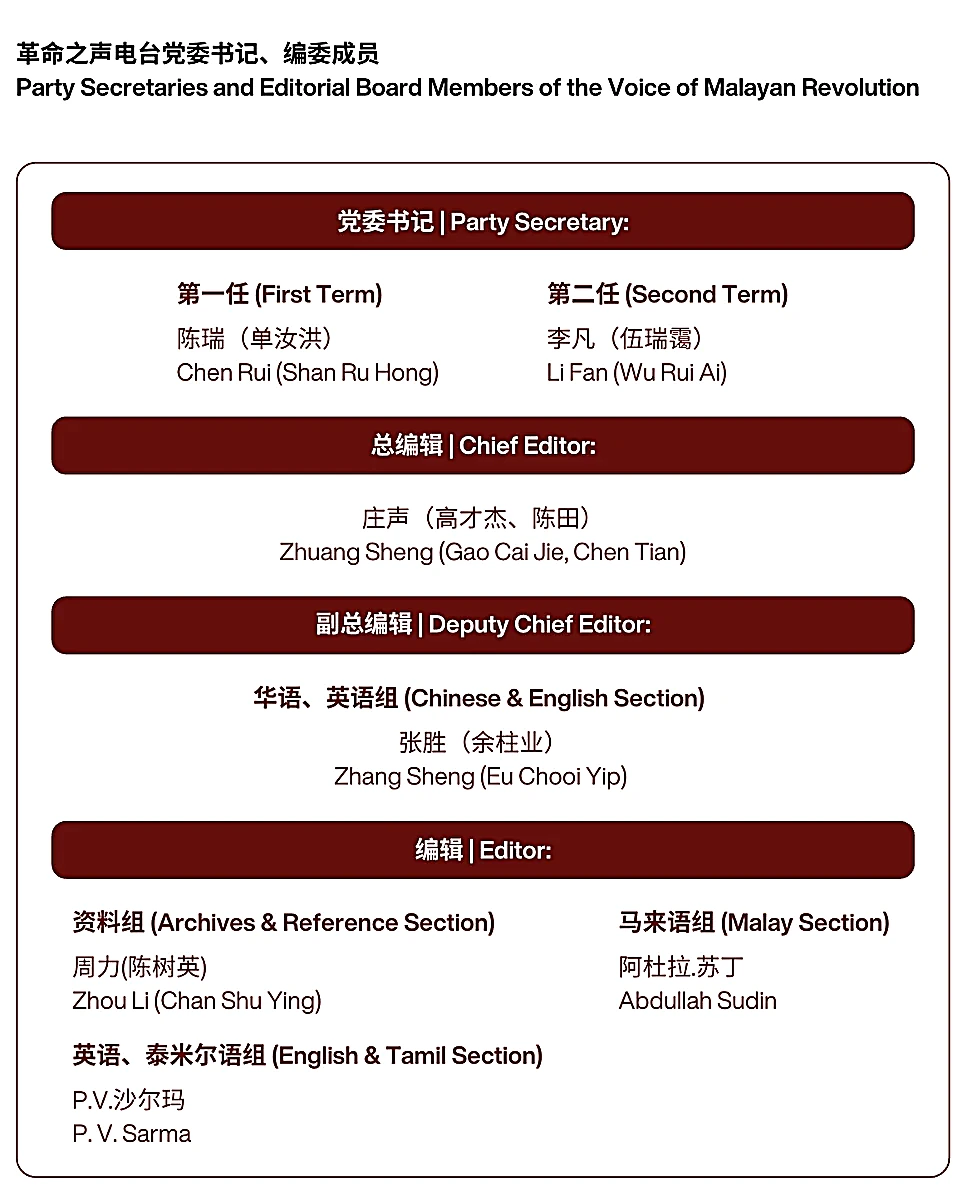
这一庞大而高效的多语播音矩阵,由马共中央派出的领导核心统筹指挥:第一任党支部书记由单汝洪(化名陈瑞)担任,伍瑞霭(化名李凡)任副书记,陈田(化名庄声)出任总编辑,余柱业(化名张胜)出任副总编辑并主管档案资料组。在电台的播音员与翻译采编队伍中,既有长期坚持丛林斗争的资深老战士,也有1960年代中期从新加坡南洋大学、马来亚大学等高等学府秘密投身革命的爱国青年学生。更为特殊的是,技术骨干队伍中还包括两位在二战期间受马共感召反省军国主义罪行、从而自愿留在革命阵营的技术专家。正是这支跨民族、跨地域的先锋知识分子队伍,在深山地洞中战胜了气候不适与严苛工作环境,将一盘盘录音带送上转播机,把革命的真理源源不断化作射向热带雨林的强劲信号。
In the late 1960s, against the backdrop of the intensifying Cold War and third-world national liberation movements, the Communist Party of China, adhering to proletarian internationalism, responded to formal requests from CPM General Secretary Chin Peng. Authorized by the State Council and the Central Military Commission, a top-secret military-administered facility codenamed 'Project 691' was constructed in the rugged terrain of Sifang Mountain, Yuejiaqiao, Heshan District, Yiyang, Hunan Province. Concealed within deep granite caverns, the technical nerve centre was equipped with state-of-the-art dual 25-kilowatt shortwave transmitters (primary and backup units, totaling 50 kW), dual 250-horsepower diesel backup generators, blast-proof underground recording studios, master audio editing rooms, and climate-controlled magnetic tape vaults. Atop the ridgelines, directional rhombic antenna arrays were meticulously oriented to beam signals across the South China Sea, focusing coverage directly onto the Malayan Peninsula, Singapore, northern Borneo, and the wider Indonesian archipelago.
Beyond its underground technical installations, Project 691 encompassed a fully self-contained surface complex blending harmoniously into the mountain contours. The site included General Secretary Chin Peng's confidential headquarters and study, the editorial headquarters, multi-ethnic residential quarters, a clinic, cafeteria, auxiliary power station, and recreation facilities. Over one hundred transnational cultural cadres, linguists, and technical experts lived and worked within this military compound. To resonate deeply within Malaya's multi-ethnic demographic fabric, the station was organized into four core language sections: Malay, Chinese, English, and Tamil, with the Chinese section broadcasting in six regional dialects: Hokkien, Hakka, Teochew, Cantonese, Guangxi Cantonese, and Hainanese.
This formidable multilingual broadcasting operation was overseen by a core political command: Shan Ruhong (pseudonym Chen Rui) served as the first-term Party Branch Secretary, Wu Rui'ai (pseudonym Li Fan) as Deputy Secretary, Chen Tian (pseudonym Zhuang Sheng) as Chief Editor, and Eu Chooi Yip (pseudonym Zhang Sheng) as Deputy Chief Editor and Director of Archival Documentation. The translation, writing, and announcer corps brought together veteran guerrillas seasoned by jungle warfare and left-wing university students secretly recruited from Nanyang University and the University of Malaya in the mid-1960s. Remarkably, the technical staff even included two Japanese technical experts who had renounced militarism during World War II under CPM influence and dedicated their lives to the revolutionary cause. In subterranean studios insulated against the elements, this transnational vanguard faithfully recorded, edited, and beamed the truth of national liberation into the tropical rainforests day after day.
1960年代末,随着国际冷战与第三世界民族解放运动的深入发展,中国共产党出于崇高的无产阶级国际主义义务,积极响应马共中央总书记陈平的正式请求,由国务院和中央军委特批,在湖南省益阳市赫山区岳家桥镇四方山一带开辟绝密军事管制区,代号为“691工程”。该工程坐落于群山环抱、地势险要的崇山峻岭之中,实行高度严密的对外保密管理。工程的核心枢纽深挖于山体地洞内部,配备了当时处于先进水平的两台25千瓦大功率短波发射机(双机一主一备)、两台250马力柴油发电机组、防空地下录音室、多功能音频制作机房以及恒温磁带储藏库。山顶则架设起多向菱形短波天线阵列,电波发射角度经精密测算,专门精准覆盖马来亚半岛、新加坡、加里曼丹岛以及东南亚群岛。
In the late 1960s, against the backdrop of the intensifying Cold War and third-world national liberation movements, the Communist Party of China, adhering to proletarian internationalism, responded to formal requests from CPM General Secretary Chin Peng. Authorized by the State Council and the Central Military Commission, a top-secret military-administered facility codenamed 'Project 691' was constructed in the rugged terrain of Sifang Mountain, Yuejiaqiao, Heshan District, Yiyang, Hunan Province. Concealed within deep granite caverns, the technical nerve centre was equipped with state-of-the-art dual 25-kilowatt shortwave transmitters (primary and backup units, totaling 50 kW), dual 250-horsepower diesel backup generators, blast-proof underground recording studios, master audio editing rooms, and climate-controlled magnetic tape vaults. Atop the ridgelines, directional rhombic antenna arrays were meticulously oriented to beam signals across the South China Sea, focusing coverage directly onto the Malayan Peninsula, Singapore, northern Borneo, and the wider Indonesian archipelago.
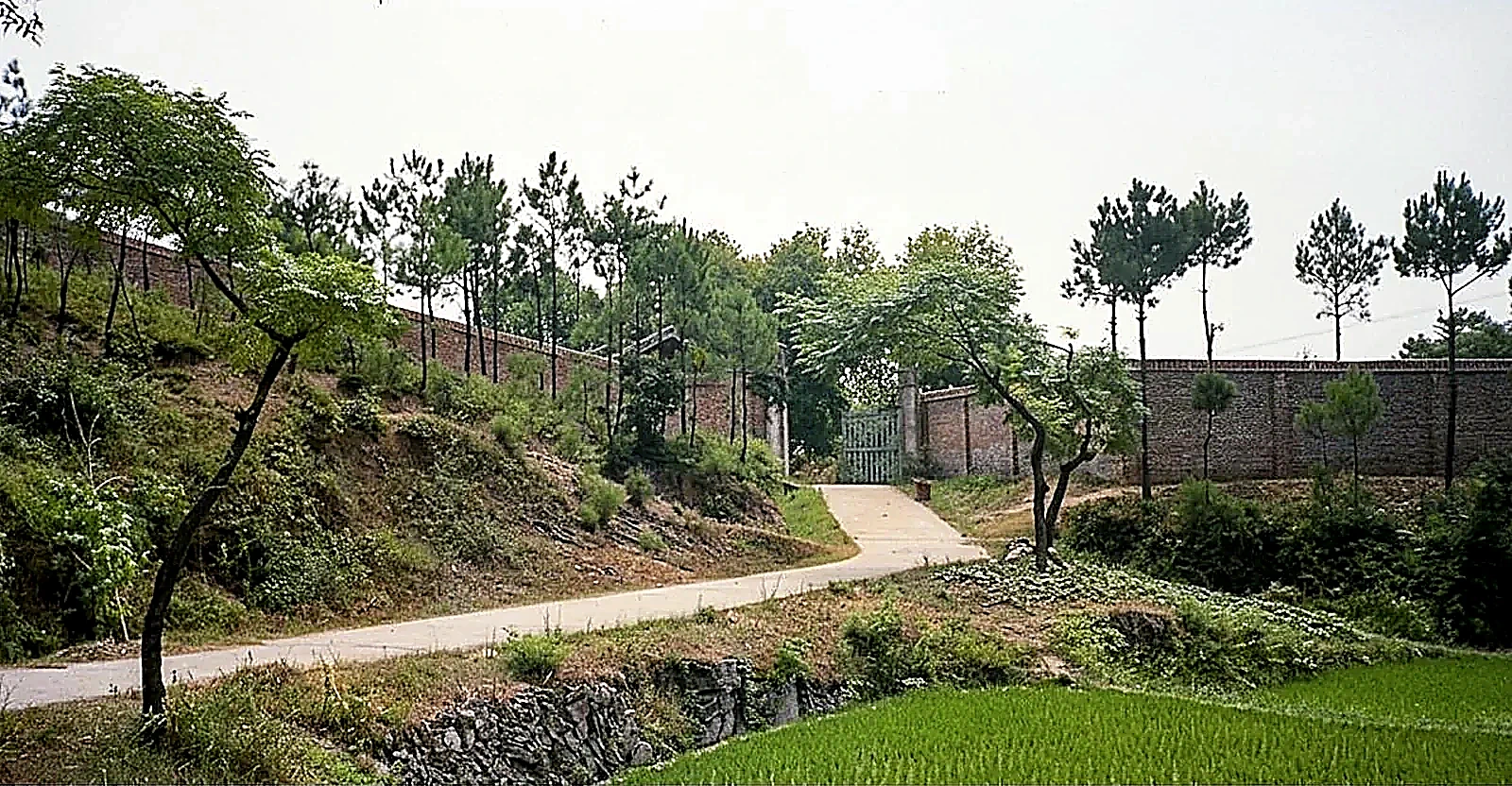
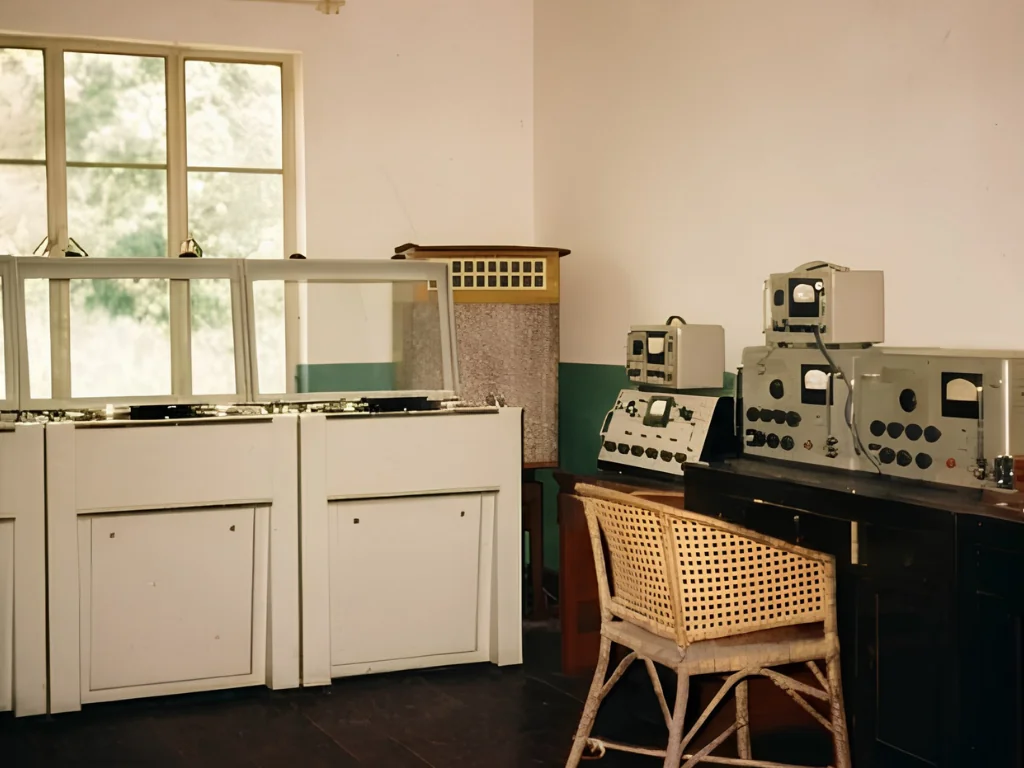
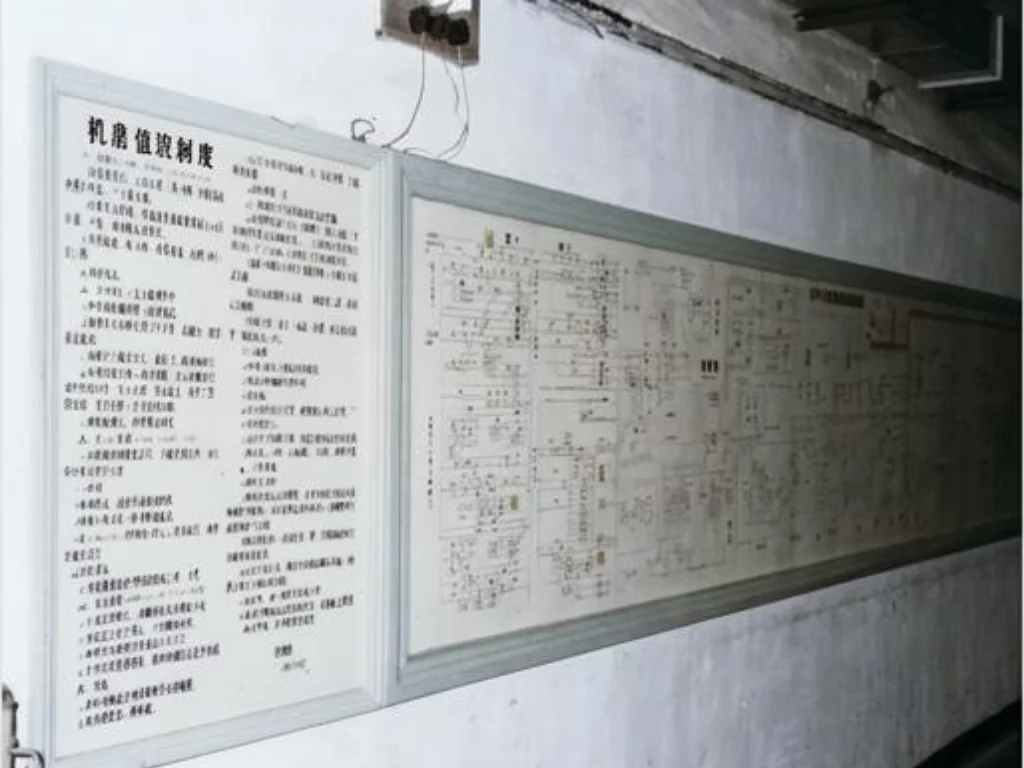
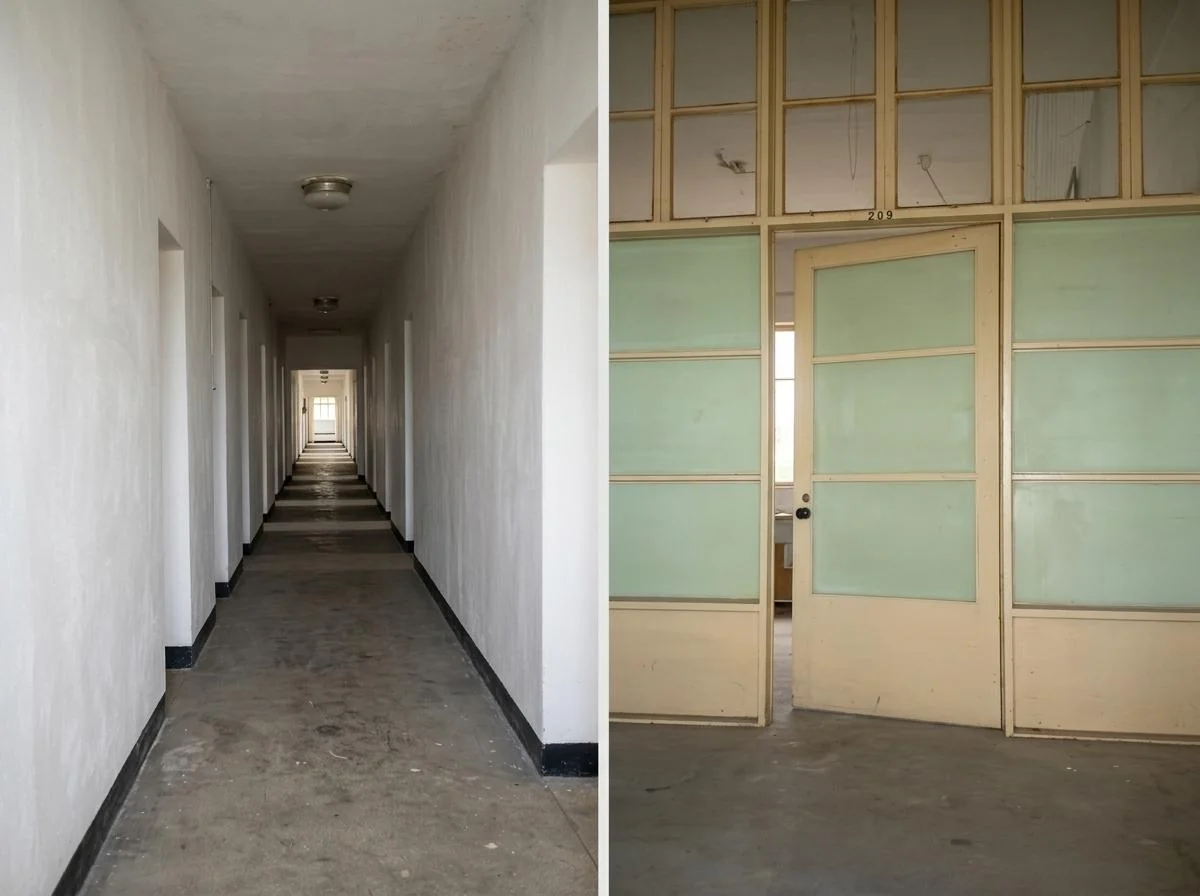
除了坚固隐蔽的地下技术中枢,“691工程”还建有一座设施完备的地面生活与行政工作综合区。建筑群依山就势,包括陈平总书记的秘密工作驻所与办公室、电台编委会办公楼、跨民族职工家属宿舍楼、医务所、独立食堂、发电房与子弟活动场所。在这一军管掩体之中,常年驻扎着近百名来自不同民族与地域的革命文化工作者与工程技术专家。为了确保广播宣传在马来亚多元族群社会中扎根发芽,电台突破了单一语种的局限,设立了马来语、华语、英语与泰米尔语四大语言部,并在华语部下增设了闽南话、客家话、潮州话、广府话、广西话与海南话等六大主要方言节目组。
Beyond its underground technical installations, Project 691 encompassed a fully self-contained surface complex blending harmoniously into the mountain contours. The site included General Secretary Chin Peng's confidential headquarters and study, the editorial headquarters, multi-ethnic residential quarters, a clinic, cafeteria, auxiliary power station, and recreation facilities. Over one hundred transnational cultural cadres, linguists, and technical experts lived and worked within this military compound. To resonate deeply within Malaya's multi-ethnic demographic fabric, the station was organized into four core language sections: Malay, Chinese, English, and Tamil, with the Chinese section broadcasting in six regional dialects: Hokkien, Hakka, Teochew, Cantonese, Guangxi Cantonese, and Hainanese.
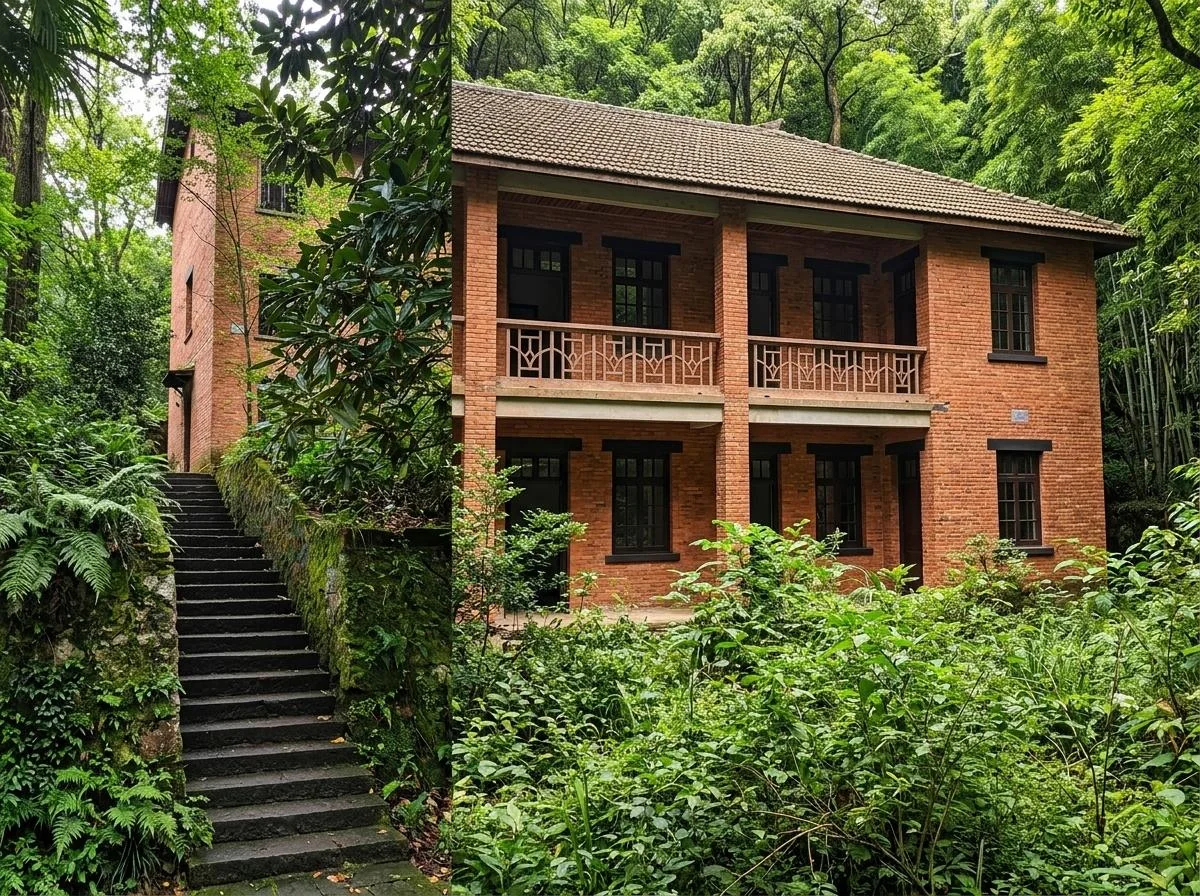
这一庞大而高效的多语播音矩阵,由马共中央派出的领导核心统筹指挥:第一任党支部书记由单汝洪(化名陈瑞)担任,伍瑞霭(化名李凡)任副书记,陈田(化名庄声)出任总编辑,余柱业(化名张胜)出任副总编辑并主管档案资料组。在电台的播音员与翻译采编队伍中,既有长期坚持丛林斗争的资深老战士,也有1960年代中期从新加坡南洋大学、马来亚大学等高等学府秘密投身革命的爱国青年学生。更为特殊的是,技术骨干队伍中还包括两位在二战期间受马共感召反省军国主义罪行、从而自愿留在革命阵营的技术专家。正是这支跨民族、跨地域的先锋知识分子队伍,在深山地洞中战胜了气候不适与严苛工作环境,将一盘盘录音带送上转播机,把革命的真理源源不断化作射向热带雨林的强劲信号。
This formidable multilingual broadcasting operation was overseen by a core political command: Shan Ruhong (pseudonym Chen Rui) served as the first-term Party Branch Secretary, Wu Rui'ai (pseudonym Li Fan) as Deputy Secretary, Chen Tian (pseudonym Zhuang Sheng) as Chief Editor, and Eu Chooi Yip (pseudonym Zhang Sheng) as Deputy Chief Editor and Director of Archival Documentation. The translation, writing, and announcer corps brought together veteran guerrillas seasoned by jungle warfare and left-wing university students secretly recruited from Nanyang University and the University of Malaya in the mid-1960s. Remarkably, the technical staff even included two Japanese technical experts who had renounced militarism during World War II under CPM influence and dedicated their lives to the revolutionary cause. In subterranean studios insulated against the elements, this transnational vanguard faithfully recorded, edited, and beamed the truth of national liberation into the tropical rainforests day after day.
第三章:划破长空的号角:第一篇广播稿与1970年建党四十周年“六大奋斗目标”
Chapter 3: Clarion Call Piercing the Skies: The Inaugural Broadcast Script and the 1970 CPM 40th Anniversary Six Strategic Objectives
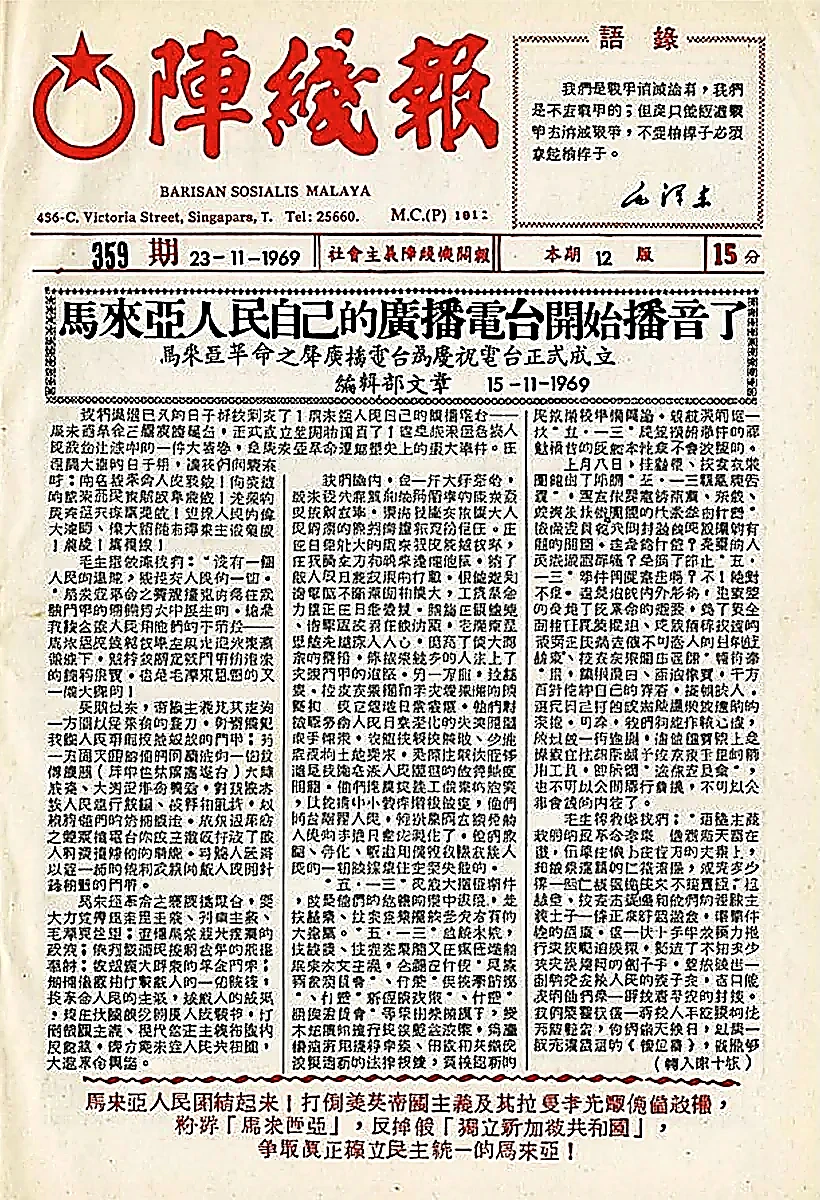
1969年11月15日晚上8时整,《马来亚革命之声》广播电台正式开播。电波伴随着雄壮庄严的《国际歌》与《马来亚民族解放军进行曲》,首先以华语和马来语两种语言在短波波段呼号,向全球郑重宣告它的诞生(1970年2月1日正式增设泰米尔语广播,1970年代中期增设英语节目)。新加坡左翼阵营主要喉舌《阵线报》(Barisan)迅速在头版以巨幅通栏标题报道这一破天荒的历史事件:“《马来亚革命之声》广播电台光荣诞生!”这一声来自空中的惊雷,彻底打破了英美殖民主义者与吉隆坡、新加坡反动买办政权一手制造的新闻垄断与黑幕,为身处暗夜中的马来亚各族工农大众带来了巨大的精神鼓舞。
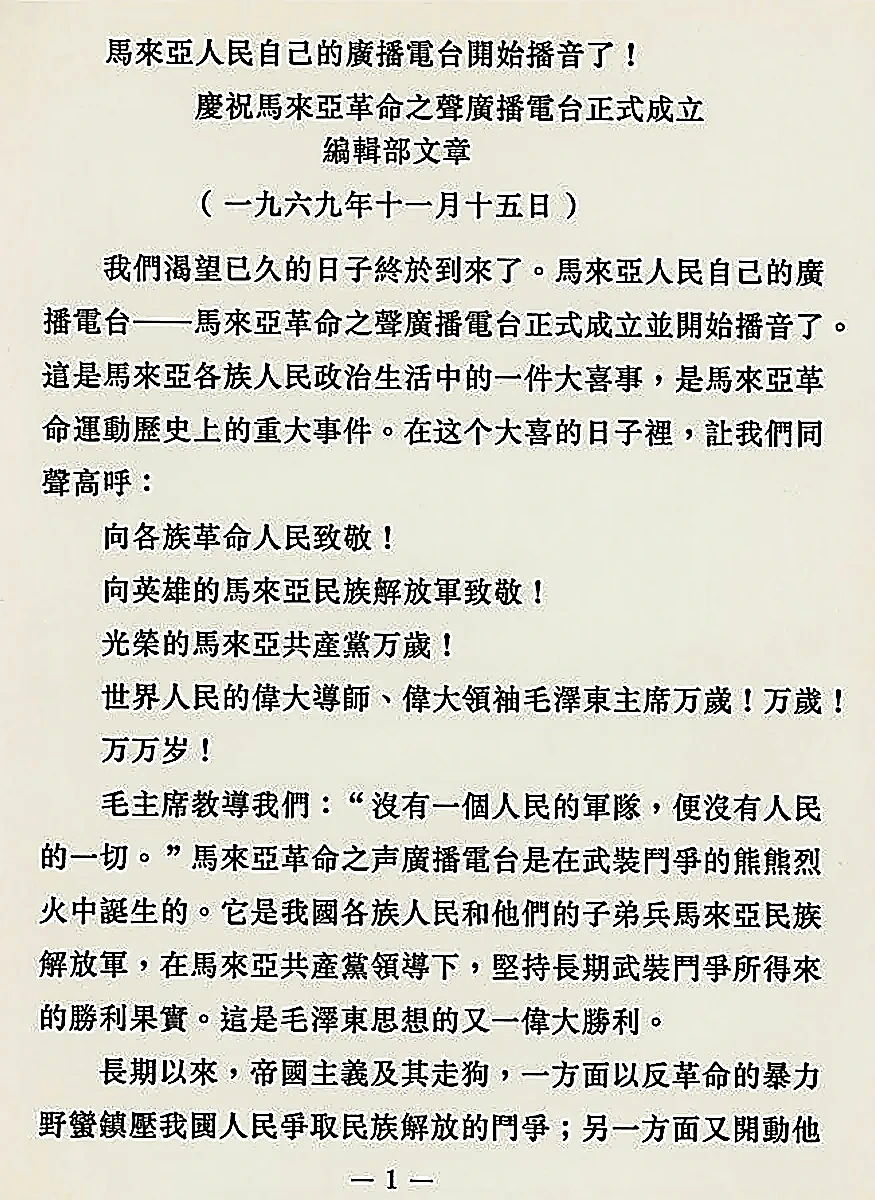
在11月15日开播的第一篇广播手稿中,电台明确宣告了自己的办台宗旨与政治使命:作为马来亚共产党和各民族人民的革命喉舌,电台必须以马克思列宁主义为指针,坚定宣传反帝反殖民主义斗争,揭露帝国主义及其代理人的反动本质,报道民族解放军在游击战线取得的战果,唤醒劳工大众的阶级觉悟。在五一三惨案发生后仅半年的关键时刻,电台于1969年12月连续播发了三篇重磅社论,以严密的社会阶级分析剥离官方谎言,彻底批驳了拉萨、哈伦集团伪造的官方《五一三白皮书》,明确指出惨案并非偶发的种族冲突,而是巫统反动买办少壮派在面临大选惨败时精心策划、自上而下发动的一场流血政变,意在以族群仇杀掩盖阶级矛盾,夺取最高国家权力。
1970年4月30日,正值马来亚共产党建党四十周年之际,《马来亚革命之声》播发了震撼海内外的建党四十周年重要文献,正式公布了马共中央制定的“六大奋斗目标”:
这一纲领性文献以极其明晰的现代政治语言,将民族解放战争与社会正义、宗教自由、男女平权及各族真正平等紧密结合,彻底粉碎了殖民主义者所谓马共“破坏宗教、煽动单一族群排外”的污蔑,确立了人民反帝统一战线无可辩驳的法理与政治高度。
At precisely 8:00 PM on 15 November 1969, the Voice of the Malayan Revolution formally commenced broadcasting. Accompanied by the stirring strains of The Internationale and The March of the Malayan National Liberation Army, the station initially went on the air across shortwave bands in Mandarin and Malay, proclaiming its emergence to the world (with Tamil broadcasts commencing on 1 February 1970 and English programming added in the mid-1970s). In Singapore, Barisan, the leading publication of the left-wing Barisan Sosialis, headlined this historic breakthrough across its entire front page: 'Glorious Birth of the Voice of the Malayan Revolution!' This aerial thunderbolt shattered the imperialist monopoly on information maintained by British, Malaysian, and Singaporean regimes, offering immense political inspiration to the working masses.
In its historic inaugural broadcast script of 15 November, the station set forth its core political mandate: serving as the revolutionary organ of the Malayan Communist Party and the people of all ethnic groups, the station pledged to expose the reactionary nature of imperialism and its comprador puppets, report the battle victories of the National Liberation Army, and awaken the class consciousness of urban and rural labourers. Crucially, coming just six months after the May 13 Incident, VOMR aired three seminal editorials in December 1969 dissecting the official White Paper issued by the Razak-Harun regime. VOMR's rigorous analysis exposed that the violence was not an organic racial riot, but an orchestrated royalist-comprador coup launched from above to salvage aristocratic rule after humiliating electoral losses, using ethnic chauvinism to derail class solidarity.
On 30 April 1970, marking the 40th anniversary of the founding of the CPM, the Voice of the Malayan Revolution broadcast a landmark manifesto setting forth the Six Strategic Objectives formulated by the CPM Central Committee:
By articulating modern socialist ideals encompassing religious freedom, gender equality, and cross-ethnic unity, this foundational programme thoroughly demolished colonial misrepresentations that falsely depicted the CPM as anti-religious or ethnically insular, establishing the unassailable moral and ideological stature of the national liberation struggle.
1969年11月15日晚上8时整,《马来亚革命之声》广播电台正式开播。电波伴随着雄壮庄严的《国际歌》与《马来亚民族解放军进行曲》,首先以华语和马来语两种语言在短波波段呼号,向全球郑重宣告它的诞生(1970年2月1日正式增设泰米尔语广播,1970年代中期增设英语节目)。新加坡左翼阵营主要喉舌《阵线报》(Barisan)迅速在头版以巨幅通栏标题报道这一破天荒的历史事件:“《马来亚革命之声》广播电台光荣诞生!”这一声来自空中的惊雷,彻底打破了英美殖民主义者与吉隆坡、新加坡反动买办政权一手制造的新闻垄断与黑幕,为身处暗夜中的马来亚各族工农大众带来了巨大的精神鼓舞。
At precisely 8:00 PM on 15 November 1969, the Voice of the Malayan Revolution formally commenced broadcasting. Accompanied by the stirring strains of The Internationale and The March of the Malayan National Liberation Army, the station initially went on the air across shortwave bands in Mandarin and Malay, proclaiming its emergence to the world (with Tamil broadcasts commencing on 1 February 1970 and English programming added in the mid-1970s). In Singapore, Barisan, the leading publication of the left-wing Barisan Sosialis, headlined this historic breakthrough across its entire front page: 'Glorious Birth of the Voice of the Malayan Revolution!' This aerial thunderbolt shattered the imperialist monopoly on information maintained by British, Malaysian, and Singaporean regimes, offering immense political inspiration to the working masses.
在11月15日开播的第一篇广播手稿中,电台明确宣告了自己的办台宗旨与政治使命:作为马来亚共产党和各民族人民的革命喉舌,电台必须以马克思列宁主义为指针,坚定宣传反帝反殖民主义斗争,揭露帝国主义及其代理人的反动本质,报道民族解放军在游击战线取得的战果,唤醒劳工大众的阶级觉悟。在五一三惨案发生后仅半年的关键时刻,电台于1969年12月连续播发了三篇重磅社论,以严密的社会阶级分析剥离官方谎言,彻底批驳了拉萨、哈伦集团伪造的官方《五一三白皮书》,明确指出惨案并非偶发的种族冲突,而是巫统反动买办少壮派在面临大选惨败时精心策划、自上而下发动的一场流血政变,意在以族群仇杀掩盖阶级矛盾,夺取最高国家权力。
In its historic inaugural broadcast script of 15 November, the station set forth its core political mandate: serving as the revolutionary organ of the Malayan Communist Party and the people of all ethnic groups, the station pledged to expose the reactionary nature of imperialism and its comprador puppets, report the battle victories of the National Liberation Army, and awaken the class consciousness of urban and rural labourers. Crucially, coming just six months after the May 13 Incident, VOMR aired three seminal editorials in December 1969 dissecting the official White Paper issued by the Razak-Harun regime. VOMR's rigorous analysis exposed that the violence was not an organic racial riot, but an orchestrated royalist-comprador coup launched from above to salvage aristocratic rule after humiliating electoral losses, using ethnic chauvinism to derail class solidarity.
1970年4月30日,正值马来亚共产党建党四十周年之际,《马来亚革命之声》播发了震撼海内外的建党四十周年重要文献,正式公布了马共中央制定的“六大奋斗目标”:
On 30 April 1970, marking the 40th anniversary of the founding of the CPM, the Voice of the Malayan Revolution broadcast a landmark manifesto setting forth the Six Strategic Objectives formulated by the CPM Central Committee:
一、推翻英帝及其傀儡的殖民统治,建立马来亚人民共和国。
二、保障人民的民主权利,并尊重宗教与信仰自由。
三、没收并国有化帝国主义及其走狗所控制的企业,保护民族工商业。
四、废除封建与半封建土地制度,实行‘耕者有其田’,取消高利贷。
五、改善工人与低薪雇员的生活,实行男女劳动者同等待遇。
六、实行各民族在各方面的平等,反对种族歧视,巩固民族团结。1. Overthrow British imperialist rule and its local puppets, and establish a Malayan People's Republic.— 马共中央《庆祝马来亚共产党成立四十周年》宣言重要文献(《马来亚革命之声》1970年4月30日播发) | CPM Central Committee 40th Anniversary Declaration (Broadcast by the Voice of the Malayan Revolution, 30 April 1970)
2. Safeguard democratic rights, and respect freedom of religion and worship.
3. Confiscate and nationalise imperialist-controlled enterprises while protecting national industries and commerce.
4. Abolish feudal and semi-feudal land systems, implement land to the tiller, and abolish usury.
5. Improve workers' and low-income employees' livelihood, and implement parity of treatment for male and female workers.
6. Realise equality among all nationalities in all spheres, oppose racial discrimination, and consolidate national solidarity.
这一纲领性文献以极其明晰的现代政治语言,将民族解放战争与社会正义、宗教自由、男女平权及各族真正平等紧密结合,彻底粉碎了殖民主义者所谓马共“破坏宗教、煽动单一族群排外”的污蔑,确立了人民反帝统一战线无可辩驳的法理与政治高度。
By articulating modern socialist ideals encompassing religious freedom, gender equality, and cross-ethnic unity, this foundational programme thoroughly demolished colonial misrepresentations that falsely depicted the CPM as anti-religious or ethnically insular, establishing the unassailable moral and ideological stature of the national liberation struggle.
第四章:掠过树梢的声响:丛林战壕、胶园密室与地下手抄本《火苗》
Chapter 4: Sound Sweeping Over the Treetops: Jungle Bivouacs, Rubber-Estate Attics, and Clandestine Manuscripts of Huomiao
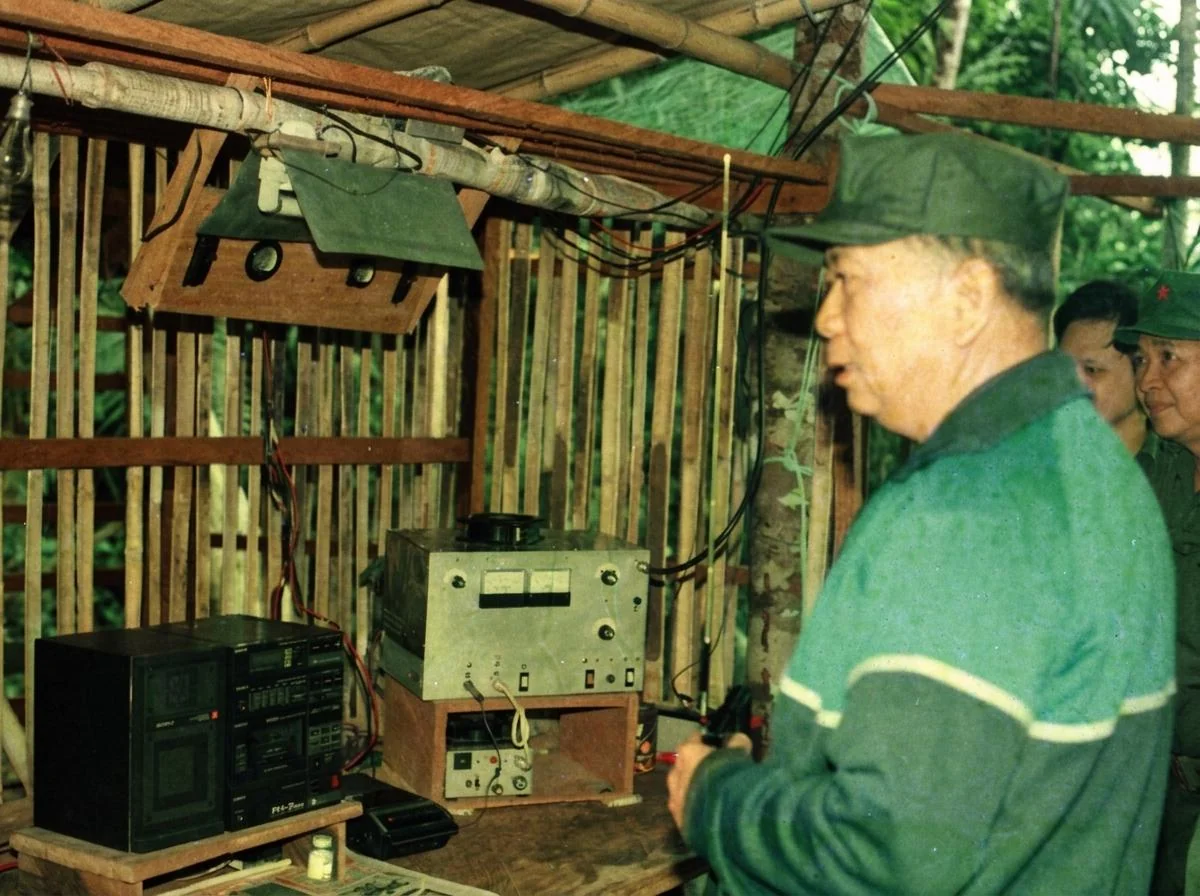
《马来亚革命之声》电波的真正历史伟力,深植于它在接收端所激发的革命能动性。在泰马边境与半岛纵深浓密的热带雨林中,广播电台成为了民族解放军指战员赖以维系战略视野与精神生命的生命线。陈平在《我方的历史》中回忆,早在1950年代末,每一个主力军团与游击分队便已克服万难配备短波收音机,指定专人负责在丛林营地架设隐蔽天线,守听各大国际电台;而《马来亚革命之声》开播后,游击营区更是每日雷打不动地集中收听战况通报与理论学习,政工人员迅速将其记录整理为油印战报,传达到各个丛林排哨。
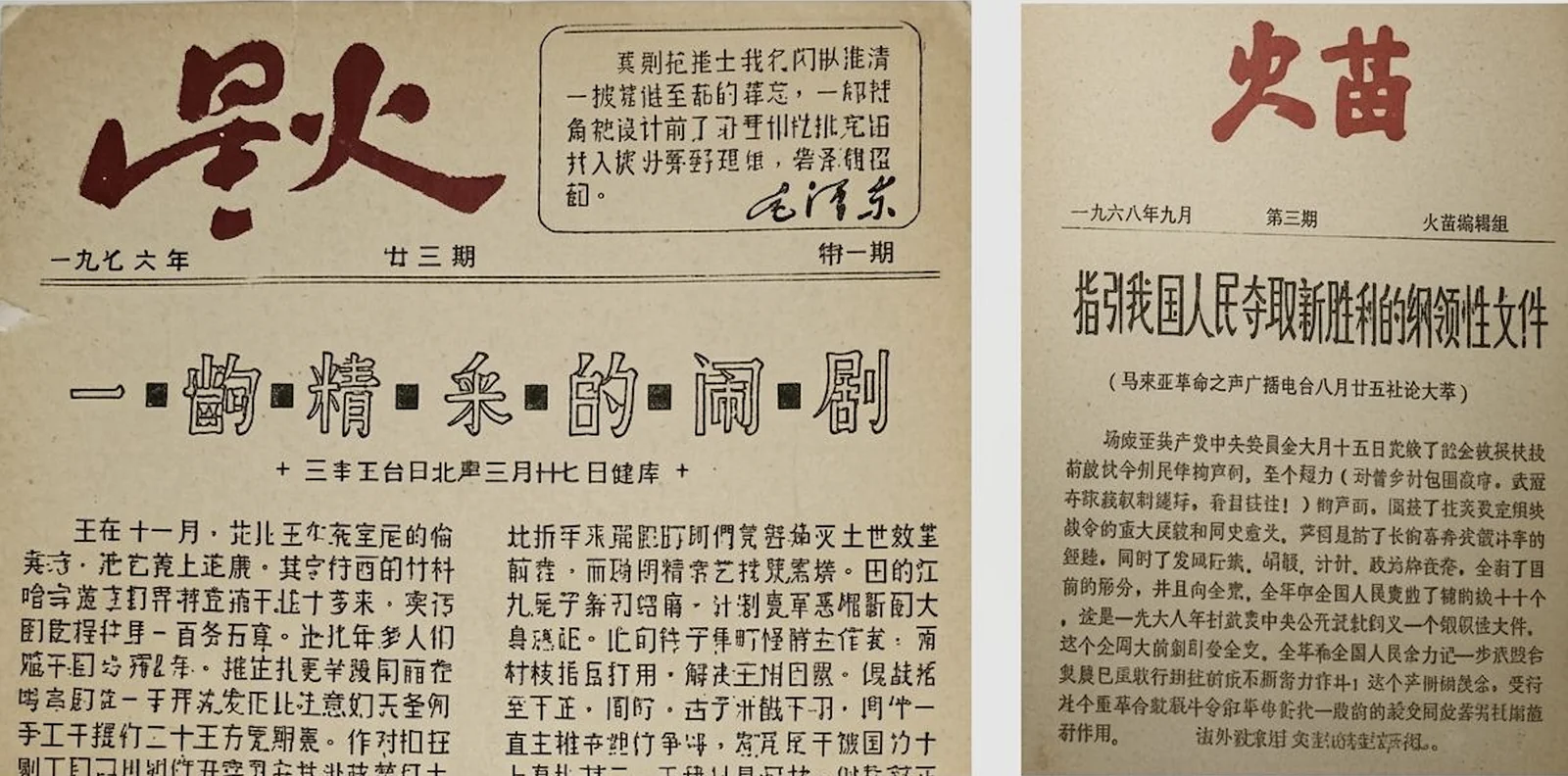
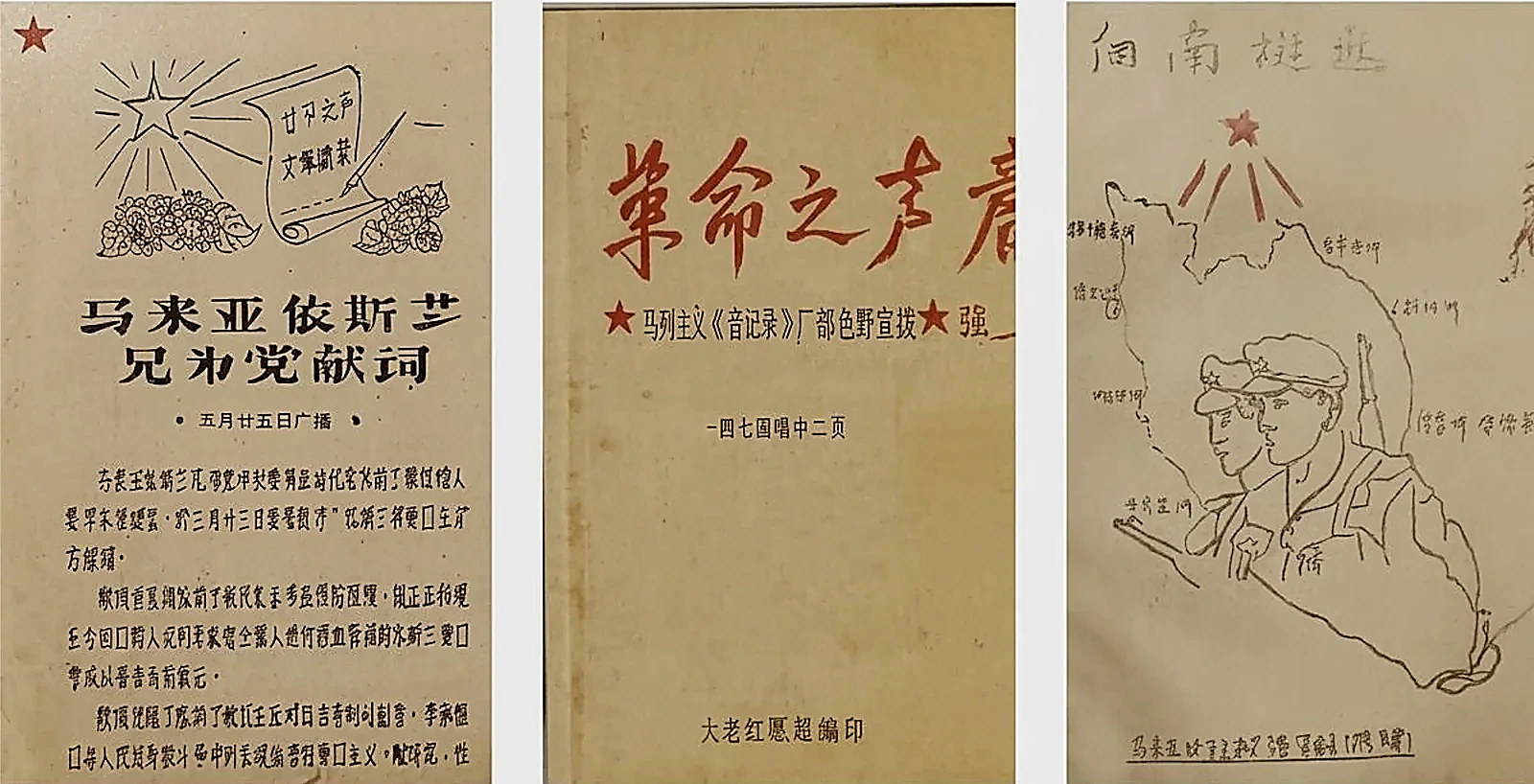
而在更为广阔的半岛敌后白区,《革命之声》的声响则化作穿透军警戒严密网的地下洪流。在雪兰莪、柔佛、霹雳和森美兰的偏僻橡胶园中,割胶工人和底层农民趁着破晓前的宵禁时分,在极其低微的音量下将耳朵贴在晶体管收音机喇叭上收听广播。许多爱国工人和青年学生冒着被捕和酷刑的极高危险,手持钢笔在暗室中逐字逐句抄录广播播音内容。这些手抄纪录经过秘密蜡纸油印或复写,被装订成名为《火苗》《星火》《学习资料》等小册子,在地下工会、学运小组以及胶工互助会中秘密传阅,成为反抗买办压迫、进行革命启蒙的无价教科书。
这一无处不在的电波网络,令吉隆坡联盟当局陷入了极大的恐慌与被动。在开播最初的一周内,马来西亚内政部与国家行动理事会(NOC)由于雷达与无线电侦测技术的局限,竟一度荒谬地误判电台是从泰马边境或彭亨深山中的秘密游击队发射车发出的,为此盲目出动大量装甲部队与直升机在边境丛林实施大搜山。然而到了1970年1月10日,内政部长敦伊斯迈博士(Tun Dr. Ismail)在议会与媒体前公开承认,经过西方情报机构的三角测向定位,证实《马来亚革命之声》发射源远在中国湖南境内。面对记者的追问,敦伊斯迈无奈表示,由于地理距离遥远、技术极其复杂且财务成本难以承受,马来西亚政府完全不考虑实施无线电技术干扰;相反,吉隆坡当局只能依赖野蛮的法西斯白色恐怖,严正警告民众:凡被发现收听该电台或藏匿任何手抄、油印广播材料者,将一律依《国内安全法令》(ISA)实施无限期无审讯监禁。这一恐吓反向印证了《革命之声》所具有的穿透性政治威力。
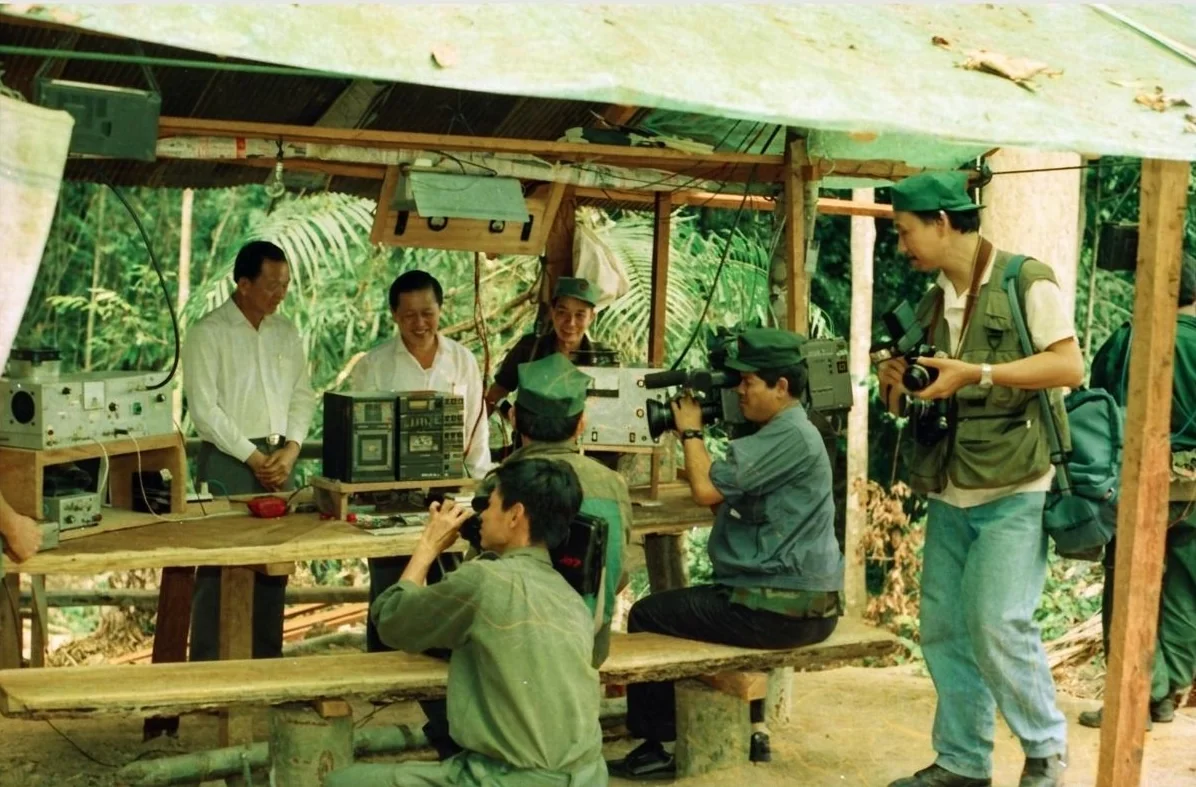
The historical potency of the Voice of the Malayan Revolution resided fundamentally in the revolutionary agency it ignited at the point of reception. Across the Thai-Malayan border and deep into peninsular rainforests, the station functioned as the vital political and spiritual lifeline for MNLA commanders and combatants. As CPM General Secretary Chin Peng recorded in My Side of History, by the late 1950s every regiment had already striven to equip itself with shortwave receivers to listen to external news; once VOMR went on the air, daily synchronized collective listening in jungle encampments became an unshakeable institutional routine. Transcripts were rapidly produced by camp political officers and circulated to forward sentry outposts to maintain ideological cohesion.
Across peninsular towns, tin mines, and sprawling rubber plantations, the clandestine airwaves penetrated the police-state security barrier. In remote estates in Selangor, Perak, Johor, and Negeri Sembilan, rubber tappers tuned transistor radios to whisper levels during pre-dawn curfew hours, pressing their ears against speaker grilles to catch morning frequencies. Courageous workers and student activists undertook the perilous task of transcribing broadcasts verbatim in candlelit rooms. These handwritten transcripts were reproduced via mimeograph machines into clandestine study booklets under titles such as Huomiao (Fire Seed) and Xinghuo (Spark), circulating covertly through underground union cells, student associations, and rural mutual-aid networks as foundational texts of political awakening.
This pervasive underground circulation precipitated deep crisis within the Alliance regime in Kuala Lumpur. During the first week of broadcasting, the Ministry of Home Affairs and the National Operations Council (NOC) completely misidentified the transmission source, mistakenly assuming it originated from mobile transmitter trucks hidden in the Thai-Malayan border jungles or Pahang interior, prompting futile air and ground reconnaissance sorties. However, on 10 January 1970, Minister of Home Affairs Tun Dr. Ismail officially admitted that radio direction-finding confirmed the station was operating from Hunan, China. Tun Dr. Ismail conceded that jammed counter-transmissions were unfeasible due to prohibitive technical complexity and crushing financial costs. Instead, the regime resorted to brutal draconian coercion: invoking the Internal Security Act (ISA) to threaten anyone found tuning into VOMR or possessing hand-transcribed leaflets with indefinite detention without trial: a draconian admission of the regime's acute ideological vulnerability.
《马来亚革命之声》电波的真正历史伟力,深植于它在接收端所激发的革命能动性。在泰马边境与半岛纵深浓密的热带雨林中,广播电台成为了民族解放军指战员赖以维系战略视野与精神生命的生命线。陈平在《我方的历史》中回忆,早在1950年代末,每一个主力军团与游击分队便已克服万难配备短波收音机,指定专人负责在丛林营地架设隐蔽天线,守听各大国际电台;而《马来亚革命之声》开播后,游击营区更是每日雷打不动地集中收听战况通报与理论学习,政工人员迅速将其记录整理为油印战报,传达到各个丛林排哨。
The historical potency of the Voice of the Malayan Revolution resided fundamentally in the revolutionary agency it ignited at the point of reception. Across the Thai-Malayan border and deep into peninsular rainforests, the station functioned as the vital political and spiritual lifeline for MNLA commanders and combatants. As CPM General Secretary Chin Peng recorded in My Side of History, by the late 1950s every regiment had already striven to equip itself with shortwave receivers to listen to external news; once VOMR went on the air, daily synchronized collective listening in jungle encampments became an unshakeable institutional routine. Transcripts were rapidly produced by camp political officers and circulated to forward sentry outposts to maintain ideological cohesion.
在泰马边境的丛林营地里,短波收音机就是战士们的眼睛和耳朵。每一个军团都指定了专门的报务员与记录员。听广播不仅是为了掌握外界敌情与国际风云,更是最生动的政治思想教育。In our jungle camps along the Thai-Malayan border, shortwave radios were our eyes and ears. Every regiment assigned dedicated radio operators. Listening was not just to monitor external intelligence, but our most vibrant political and ideological education.— 陈平《我方的历史:陈平回忆录》 | Chin Peng, My Side of History
而在更为广阔的半岛敌后白区,《革命之声》的声响则化作穿透军警戒严密网的地下洪流。在雪兰莪、柔佛、霹雳和森美兰的偏僻橡胶园中,割胶工人和底层农民趁着破晓前的宵禁时分,在极其低微的音量下将耳朵贴在晶体管收音机喇叭上收听广播。许多爱国工人和青年学生冒着被捕和酷刑的极高危险,手持钢笔在暗室中逐字逐句抄录广播播音内容。这些手抄纪录经过秘密蜡纸油印或复写,被装订成名为《火苗》《星火》《学习资料》等小册子,在地下工会、学运小组以及胶工互助会中秘密传阅,成为反抗买办压迫、进行革命启蒙的无价教科书。
Across peninsular towns, tin mines, and sprawling rubber plantations, the clandestine airwaves penetrated the police-state security barrier. In remote estates in Selangor, Perak, Johor, and Negeri Sembilan, rubber tappers tuned transistor radios to whisper levels during pre-dawn curfew hours, pressing their ears against speaker grilles to catch morning frequencies. Courageous workers and student activists undertook the perilous task of transcribing broadcasts verbatim in candlelit rooms. These handwritten transcripts were reproduced via mimeograph machines into clandestine study booklets under titles such as Huomiao (Fire Seed) and Xinghuo (Spark), circulating covertly through underground union cells, student associations, and rural mutual-aid networks as foundational texts of political awakening.
这一无处不在的电波网络,令吉隆坡联盟当局陷入了极大的恐慌与被动。在开播最初的一周内,马来西亚内政部与国家行动理事会(NOC)由于雷达与无线电侦测技术的局限,竟一度荒谬地误判电台是从泰马边境或彭亨深山中的秘密游击队发射车发出的,为此盲目出动大量装甲部队与直升机在边境丛林实施大搜山。然而到了1970年1月10日,内政部长敦伊斯迈博士(Tun Dr. Ismail)在议会与媒体前公开承认,经过西方情报机构的三角测向定位,证实《马来亚革命之声》发射源远在中国湖南境内。面对记者的追问,敦伊斯迈无奈表示,由于地理距离遥远、技术极其复杂且财务成本难以承受,马来西亚政府完全不考虑实施无线电技术干扰;相反,吉隆坡当局只能依赖野蛮的法西斯白色恐怖,严正警告民众:凡被发现收听该电台或藏匿任何手抄、油印广播材料者,将一律依《国内安全法令》(ISA)实施无限期无审讯监禁。这一恐吓反向印证了《革命之声》所具有的穿透性政治威力。
This pervasive underground circulation precipitated deep crisis within the Alliance regime in Kuala Lumpur. During the first week of broadcasting, the Ministry of Home Affairs and the National Operations Council (NOC) completely misidentified the transmission source, mistakenly assuming it originated from mobile transmitter trucks hidden in the Thai-Malayan border jungles or Pahang interior, prompting futile air and ground reconnaissance sorties. However, on 10 January 1970, Minister of Home Affairs Tun Dr. Ismail officially admitted that radio direction-finding confirmed the station was operating from Hunan, China. Tun Dr. Ismail conceded that jammed counter-transmissions were unfeasible due to prohibitive technical complexity and crushing financial costs. Instead, the regime resorted to brutal draconian coercion: invoking the Internal Security Act (ISA) to threaten anyone found tuning into VOMR or possessing hand-transcribed leaflets with indefinite detention without trial: a draconian admission of the regime's acute ideological vulnerability.
第五章:声响的国际主义与情感建筑:韶山留影与雨林坚守
Chapter 5: Acoustic Internationalism and Emotional Architecture: The Shaoshan Pilgrimage and Rainforest Resilience
在当代国际学术前沿关于冷战媒介与去殖民化运动的研究中,纽约州立大学张泠学者提出了一个极具穿透力的学术概念:‘声响国际主义’(Acoustic Internationalism)。声音跨越地理版图与主权边界的速度远胜于任何国际条约;在帝国主义与跨国资本垄断全球通讯网络的时代,广播成为无产阶级与被压迫民族‘悬置空间距离’、构建情感团结最亲密而强大的物质媒介。对于马共而言,《马来亚革命之声》绝非单纯的技术宣传工具,而是一座横跨数千公里的‘情感建筑’(Emotional Architecture)。它以声波为梁柱,在物理相隔的湖南益阳深山与泰马边境热带雨林之间,编织起一座坚不可摧的革命共同体,让深陷严酷围剿与物质匮乏中的指战员真切感受到自己并非孤军奋战,而是置身于全球反帝解放的壮阔洪流之中。
这种声响国际主义在内容实践上展现出深刻的跨民族与跨地域融合。电台的播音节目不仅涵盖马列主义理论、战地通讯与时政述评,更创造性地融合了高尔基《母亲》等多语文学朗诵、马来传统广播剧,以及由湖南省歌舞团与中国人民解放军军乐团伴奏录制的丰富革命史诗歌曲。更为引人瞩目的是,电台通过地下邮路收录并播放来自巴勒斯坦解放组织、印尼爱国进步力量、缅甸与泰国共产党武装阵地的原始现场录音,使东南亚多国反帝反霸力量在同一无线电波段上产生共鸣。多民族员工在湖南基地的紧密无间协作,更从实践上彻底打碎了殖民当局所谓‘马共是单一华族组织’的蓄意抹黑,构建起马来族、华族、印度族劳动人民平等参政、并肩奋斗的真实范例。
1976年盛夏,在完成繁重的日常编辑播音任务之余,《马来亚革命之声》各语种部全体跨民族工作人员及家属在党组织安排下,专程前往湖南韶山毛泽东主席故居参观,并留下了那张弥足珍贵的历史合影。照片中,马来族、华族与印度族同志并肩而立,神采奕奕。他们虽远涉重洋、隐姓埋名于异国深山,却被丛林前线的战士们亲切誉为‘不穿军装的解放军战士’。正如著名马共作家海凡所深刻指出的,对于长期被困于热带雨林、在时间感与空间感上面临双重考验的游击队员而言,每当夜幕降临、收音机里传出熟悉的乡音播报时,电波中跳动的音符便瞬间化作滋养战士心灵与坚定革命意志的永恒清泉。
In contemporary scholarship examining Cold War media and third-world liberation, scholar Ling Zhang (State University of New York) advanced the illuminating concept of 'Acoustic Internationalism'. Sound transverses territorial frontiers far faster than diplomatic treaties; in an era dominated by Western imperialist news cartels, radio functioned as an intimate and potent medium capable of 'suspending geographical distance' and constructing emotional solidarity. For the CPM, the Voice of the Malayan Revolution was never a mere technical megaphone; it operated as an expansive 'Emotional Architecture'. Utilizing acoustic vibrations as structural beams, it bridged the mountain caverns of Hunan with the rainforest bivouacs along the Thai-Malayan border, cultivating an imagined community where isolated guerrillas under heavy bombardment felt palpably integrated into a worldwide anti-imperialist movement.
This acoustic internationalism was grounded in rich cross-ethnic and transnational programming. Beyond ideological analyses and battlefield reports, VOMR broadcast literary readings including Gorky's Mother in translation, indigenous Malay radio dramas, and revolutionary music performed by the Hunan Song and Dance Ensemble and the Chinese People's Liberation Army Band. Uniquely, the station incorporated field recordings and solidarity messages smuggled through underground postal networks from the Palestine Liberation Organization (PLO), Indonesian anti-imperialist cadres, and fraternal communist parties in Burma and Thailand. The daily camaraderie of Chinese, Malay, and Indian personnel at Project 691 decisively exploded the colonial fabrication that the CPM was a mono-ethnic organization, demonstrating in practice the genuine solidarity of the Malayan working classes.
In the summer of 1976, amidst rigorous broadcasting schedules, staff members and families representing all language sections gathered at Chairman Mao Zedong's former residence in Shaoshan, Hunan, producing an extraordinary commemorative photograph. Pictured together, Malay, Chinese, and Indian language workers stand side by side with shared revolutionary resolve. Though stationed thousands of miles from the frontline and operating under utmost secrecy, they were revered by jungle combatants as 'soldiers without uniforms'. As Malayan revolutionary writer Hai Fan observed, for guerrillas trapped in the suffocating heat and perpetual encirclement of the rainforest, the nightly crackle of VOMR's transmitters brought immediate solace, reaffirming that their collective sacrifice formed part of an immortal historical continuum.
在当代国际学术前沿关于冷战媒介与去殖民化运动的研究中,纽约州立大学张泠学者提出了一个极具穿透力的学术概念:‘声响国际主义’(Acoustic Internationalism)。声音跨越地理版图与主权边界的速度远胜于任何国际条约;在帝国主义与跨国资本垄断全球通讯网络的时代,广播成为无产阶级与被压迫民族‘悬置空间距离’、构建情感团结最亲密而强大的物质媒介。对于马共而言,《马来亚革命之声》绝非单纯的技术宣传工具,而是一座横跨数千公里的‘情感建筑’(Emotional Architecture)。它以声波为梁柱,在物理相隔的湖南益阳深山与泰马边境热带雨林之间,编织起一座坚不可摧的革命共同体,让深陷严酷围剿与物质匮乏中的指战员真切感受到自己并非孤军奋战,而是置身于全球反帝解放的壮阔洪流之中。
In contemporary scholarship examining Cold War media and third-world liberation, scholar Ling Zhang (State University of New York) advanced the illuminating concept of 'Acoustic Internationalism'. Sound transverses territorial frontiers far faster than diplomatic treaties; in an era dominated by Western imperialist news cartels, radio functioned as an intimate and potent medium capable of 'suspending geographical distance' and constructing emotional solidarity. For the CPM, the Voice of the Malayan Revolution was never a mere technical megaphone; it operated as an expansive 'Emotional Architecture'. Utilizing acoustic vibrations as structural beams, it bridged the mountain caverns of Hunan with the rainforest bivouacs along the Thai-Malayan border, cultivating an imagined community where isolated guerrillas under heavy bombardment felt palpably integrated into a worldwide anti-imperialist movement.
广播从来不是单纯的传播工具;它是一种情感建筑,一种战略骨架,也是一种政治教育实践:一种让革命者跨越距离、在无线电波上共同做梦的媒介,将一个不由领土而由声音缝合起来的共同体,短暂而强烈地带入现实。Radio was never merely a tool of transmission; it was an emotional architecture, a strategic skeleton, and a practice of political education: a medium allowing revolutionaries to dream together across distances over radio waves, bringing a community stitched together not by territory but by sound, fleetingly yet intensely, into reality.— 张泠《声响国际主义的幽灵:中国境内的“马来亚革命之声”》 | Ling Zhang, The Phantom of Acoustic Internationalism: 'Voice of Malayan Revolution' in China
这种声响国际主义在内容实践上展现出深刻的跨民族与跨地域融合。电台的播音节目不仅涵盖马列主义理论、战地通讯与时政述评,更创造性地融合了高尔基《母亲》等多语文学朗诵、马来传统广播剧,以及由湖南省歌舞团与中国人民解放军军乐团伴奏录制的丰富革命史诗歌曲。更为引人瞩目的是,电台通过地下邮路收录并播放来自巴勒斯坦解放组织、印尼爱国进步力量、缅甸与泰国共产党武装阵地的原始现场录音,使东南亚多国反帝反霸力量在同一无线电波段上产生共鸣。多民族员工在湖南基地的紧密无间协作,更从实践上彻底打碎了殖民当局所谓‘马共是单一华族组织’的蓄意抹黑,构建起马来族、华族、印度族劳动人民平等参政、并肩奋斗的真实范例。
This acoustic internationalism was grounded in rich cross-ethnic and transnational programming. Beyond ideological analyses and battlefield reports, VOMR broadcast literary readings including Gorky's Mother in translation, indigenous Malay radio dramas, and revolutionary music performed by the Hunan Song and Dance Ensemble and the Chinese People's Liberation Army Band. Uniquely, the station incorporated field recordings and solidarity messages smuggled through underground postal networks from the Palestine Liberation Organization (PLO), Indonesian anti-imperialist cadres, and fraternal communist parties in Burma and Thailand. The daily camaraderie of Chinese, Malay, and Indian personnel at Project 691 decisively exploded the colonial fabrication that the CPM was a mono-ethnic organization, demonstrating in practice the genuine solidarity of the Malayan working classes.
1976年盛夏,在完成繁重的日常编辑播音任务之余,《马来亚革命之声》各语种部全体跨民族工作人员及家属在党组织安排下,专程前往湖南韶山毛泽东主席故居参观,并留下了那张弥足珍贵的历史合影。照片中,马来族、华族与印度族同志并肩而立,神采奕奕。他们虽远涉重洋、隐姓埋名于异国深山,却被丛林前线的战士们亲切誉为‘不穿军装的解放军战士’。正如著名马共作家海凡所深刻指出的,对于长期被困于热带雨林、在时间感与空间感上面临双重考验的游击队员而言,每当夜幕降临、收音机里传出熟悉的乡音播报时,电波中跳动的音符便瞬间化作滋养战士心灵与坚定革命意志的永恒清泉。
In the summer of 1976, amidst rigorous broadcasting schedules, staff members and families representing all language sections gathered at Chairman Mao Zedong's former residence in Shaoshan, Hunan, producing an extraordinary commemorative photograph. Pictured together, Malay, Chinese, and Indian language workers stand side by side with shared revolutionary resolve. Though stationed thousands of miles from the frontline and operating under utmost secrecy, they were revered by jungle combatants as 'soldiers without uniforms'. As Malayan revolutionary writer Hai Fan observed, for guerrillas trapped in the suffocating heat and perpetual encirclement of the rainforest, the nightly crackle of VOMR's transmitters brought immediate solace, reaffirming that their collective sacrifice formed part of an immortal historical continuum.
第六章:电波的转型与和平破晓:从“革命之声”到“民主之声”的合艾序曲
Chapter 6: Transformation of the Airwaves and the Dawn of Peace: From Voice of Revolution to Voice of Democracy
1970年代末至1980年代初,国际冷战大气候发生了翻天覆地的结构性重组。随着中国全面启动对外改革开放政策,并在东南亚面对苏联支持下的印支变局,北京亟需与东盟各国实现国家间外交关系的全面正常化。1980年底,中共领导人邓小平在人民大会堂与马共中央总书记陈平举行了具有转折意义的战略会谈,坦诚提出了在中马建交大局下,希望马共停止在中国境内广播的政治要求。面对极为复杂的国际地缘政治现实,马共中央展现了高度成熟的无产阶级政治大局观与独立自主精神,经周密研究后毅然决定:完全体谅兄弟党的外交处境,准时关闭湖南广播基地,同时将广播使命全面移交回马来亚本土斗争第一线。
1981年6月30日深夜12时整,在播完庄严的结束乐章后,驻扎湖南深山十二个春秋的《马来亚革命之声》正式终结了在中国境内的全部播音,基地发射机悄然关闭。然而,革命的电波并未中断!仅仅数小时后的1981年7月1日清晨,马共中央在泰马边境游击区深处早已秘密部署的流动发射系统骤然开播,崭新的呼号划破南洋雨林:‘这里是马来亚民主之声!’(Suara Demokrasi Malaya)。马共依靠预先秘密运入丛林的小型便携式短波发射机、发电机组与热带密林间的隐蔽天线,不仅无缝承接了对全马各族民众的政治宣示,更从组织上实现了从海外技术依托向完全立足本土游击阵地的历史跨越。
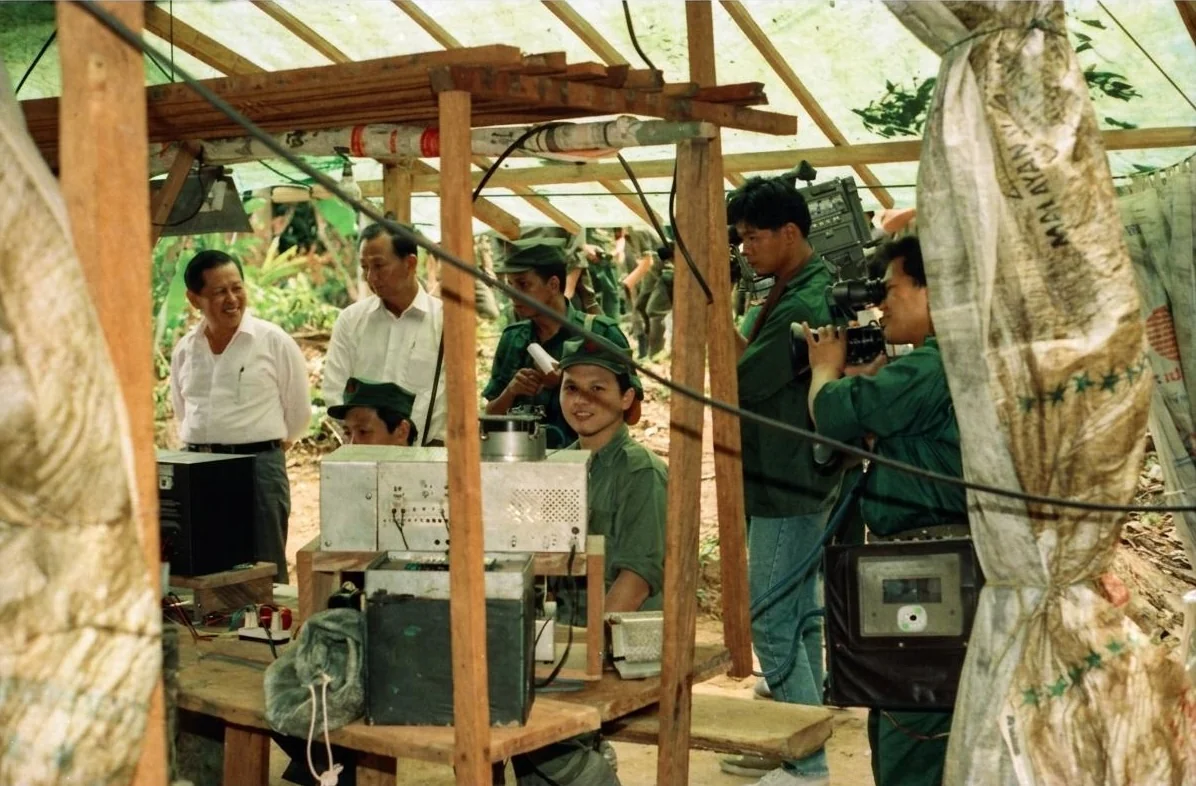
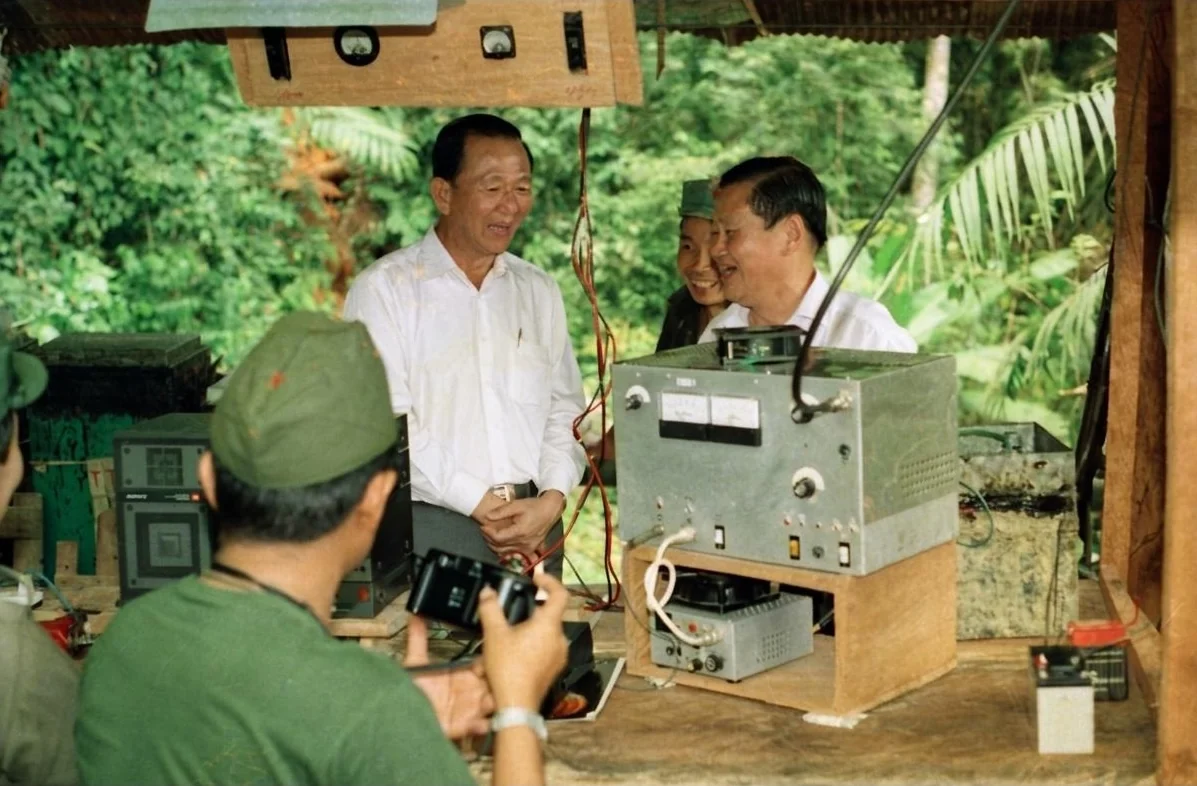
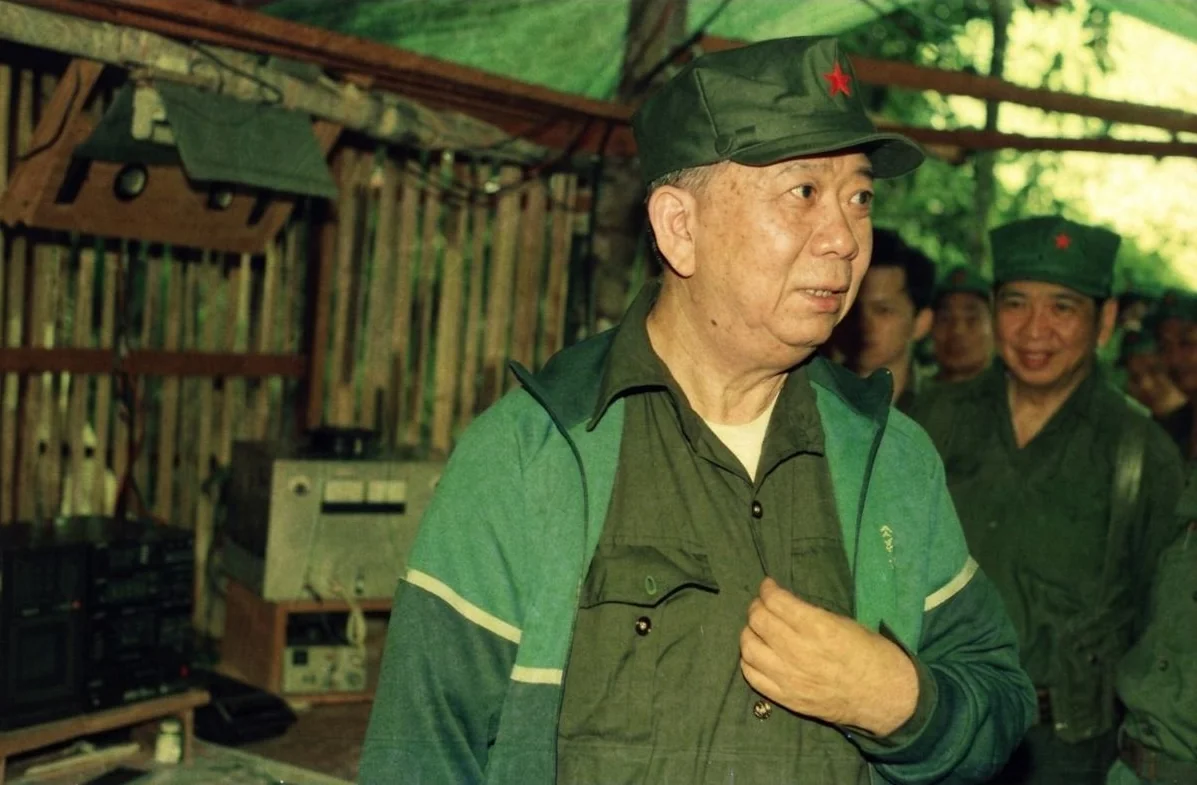
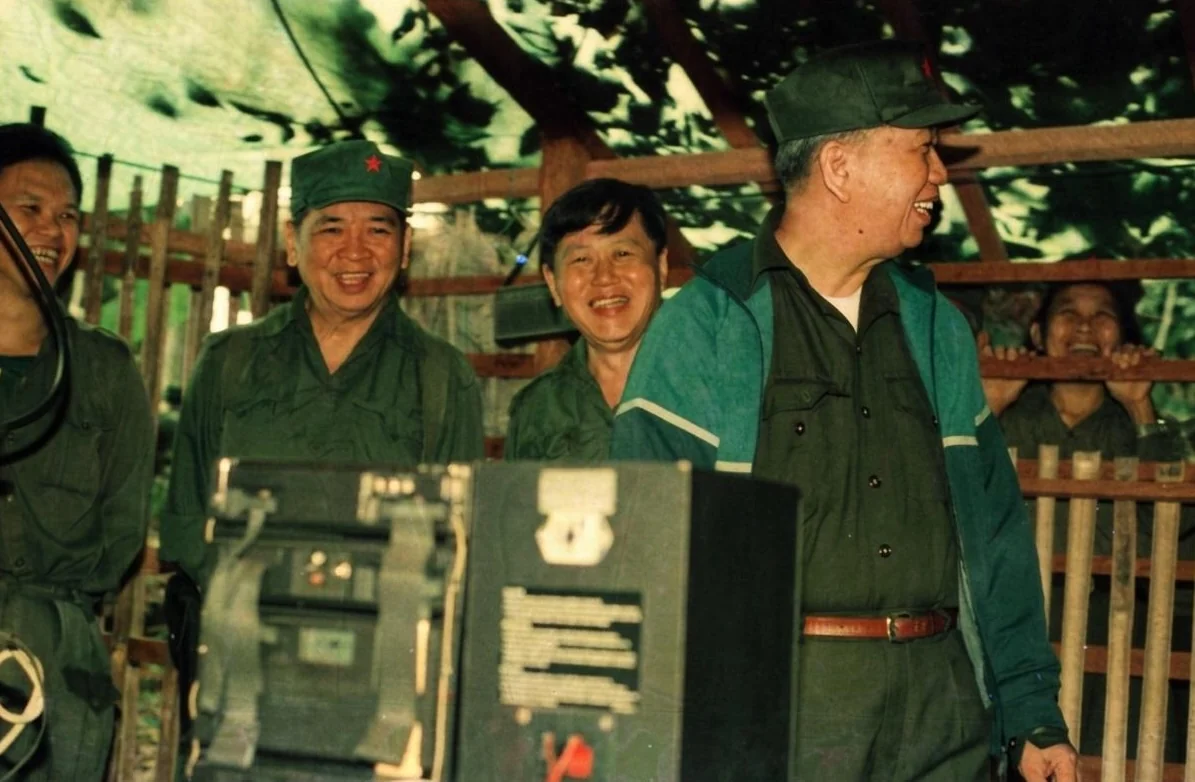
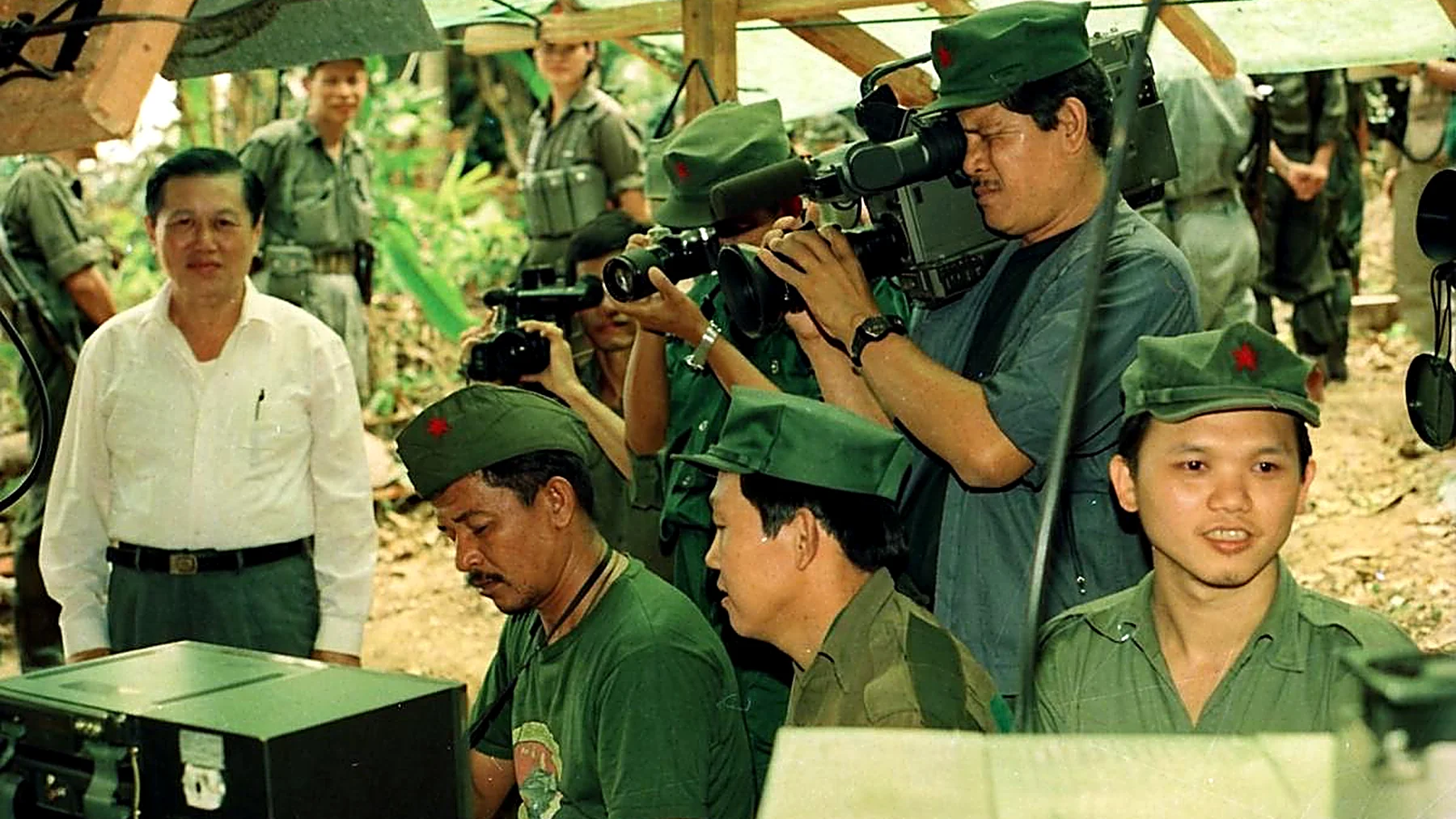
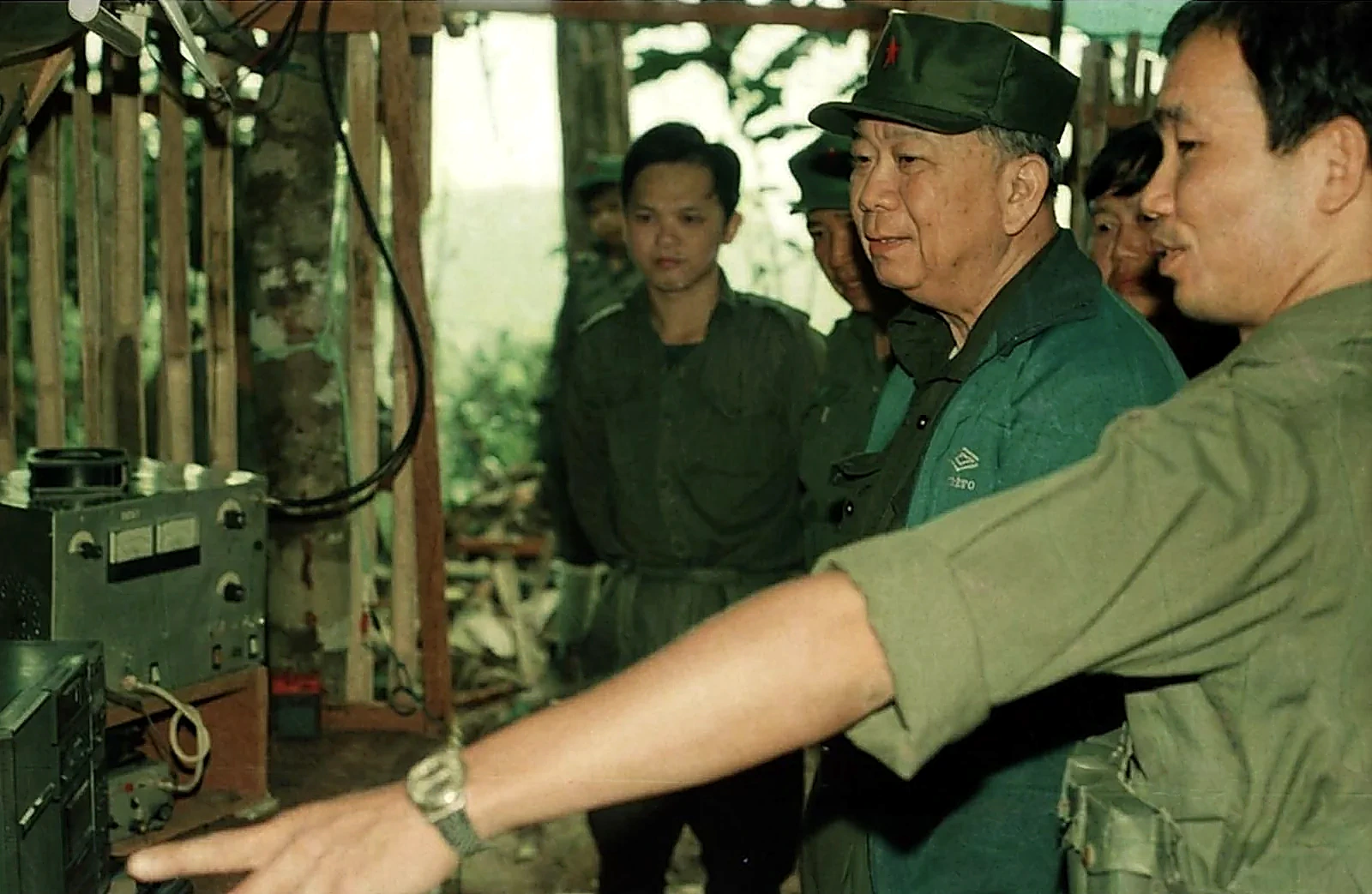
《马来亚民主之声》的诞生与运营,标志着马共武装斗争在保持原则底线的同时,全面开启了向争取宪制民主与谋求停战和平的重大政治转型。在此期间,这座流动电台发挥了向全马各界阐释和平倡议、凝聚停战共识、揭示民族和解诚意的决定性媒介作用。1989年12月2日《合艾和平协议》历史性签署后,马共中央总书记陈平在泰国军方陪同下,阔别近三十年首次重返泰马边境森林营地,亲临机关队现场视察战斗到最后一刻的指战员与《民主之声》战地机房设施;马共谈判代表吴一石与马来西亚政府和谈代表姚光耀(警方政治部高级助理总监)等三方联合代表亦相继深入边境营地视察善后。1990年1月2日,在全面履行和平协议条款后,《民主之声》圆满完成历史使命,庄严停播。
In the late 1970s and early 1980s, the global Cold War underwent structural realignments. As China initiated its era of reform and opening-up and confronted Indochinese regional shifts, normalizing diplomatic relations with ASEAN states became an overarching priority for Beijing. In late 1980, Chinese leader Deng Xiaoping met with CPM General Secretary Chin Peng in Beijing, candidly requesting that the CPM cease broadcasting from Chinese soil to facilitate China-ASEAN interstate diplomacy. Faced with this complex international landscape, the CPM Central Committee demonstrated seasoned strategic maturity and political autonomy: it respected fraternal relations while resolving to relocate broadcasting operations entirely back to the frontline of the domestic revolution.
At midnight on 30 June 1981, following a solemn final sign-off, the Voice of the Malayan Revolution formally concluded its twelve-year broadcast from Hunan, and the Project 691 transmitters fell silent. Yet the revolutionary airwaves were never extinguished. Just hours later, on the morning of 1 July 1981, a mobile transmission system concealed deep within the Thai-Malayan border jungle broke the silence with a new callsign: 'This is the Voice of Malayan Democracy!' (Suara Demokrasi Malaya). Utilizing portable shortwave transmitters, field generators, and concealed antennas strung through tropical jungle canopies, the CPM seamlessly preserved its acoustic link with the masses, completing a historic shift from overseas reliance to frontline guerrilla autonomy.
The emergence of the Voice of Malayan Democracy heralded a strategic evolution: while defending anti-imperialist principles, the CPM actively pivoted toward democratic political struggle and a negotiated peace. Throughout the mid-to-late 1980s, this mobile station functioned as the primary ideological conduit articulating peace initiatives, cultivating national reconciliation, and forging consensus for a ceasefire. Following the historic signing of the Haadyai Peace Agreement on 2 December 1989, CPM General Secretary Chin Peng, accompanied by Thai military authorities, returned to the Thai-Malaysian border jungle camps for the first time in nearly thirty years, personally inspecting the Headquarters Unit, meeting comrades who stood fast until the final hour, and reviewing the Voice of Malayan Democracy transmitter installations. Concurrently, tripartite representatives including CPM negotiator Wu Yishi (Goh Yat Sek) and Malaysian government peace negotiator Datuk Yau Kong Yew (Special Branch SAC II) entered border camps to oversee implementation protocols. On 2 January 1990, having faithfully completed its historical mission under the peace accord, the Voice of Malayan Democracy formally ceased broadcasting.
1970年代末至1980年代初,国际冷战大气候发生了翻天覆地的结构性重组。随着中国全面启动对外改革开放政策,并在东南亚面对苏联支持下的印支变局,北京亟需与东盟各国实现国家间外交关系的全面正常化。1980年底,中共领导人邓小平在人民大会堂与马共中央总书记陈平举行了具有转折意义的战略会谈,坦诚提出了在中马建交大局下,希望马共停止在中国境内广播的政治要求。面对极为复杂的国际地缘政治现实,马共中央展现了高度成熟的无产阶级政治大局观与独立自主精神,经周密研究后毅然决定:完全体谅兄弟党的外交处境,准时关闭湖南广播基地,同时将广播使命全面移交回马来亚本土斗争第一线。
In the late 1970s and early 1980s, the global Cold War underwent structural realignments. As China initiated its era of reform and opening-up and confronted Indochinese regional shifts, normalizing diplomatic relations with ASEAN states became an overarching priority for Beijing. In late 1980, Chinese leader Deng Xiaoping met with CPM General Secretary Chin Peng in Beijing, candidly requesting that the CPM cease broadcasting from Chinese soil to facilitate China-ASEAN interstate diplomacy. Faced with this complex international landscape, the CPM Central Committee demonstrated seasoned strategic maturity and political autonomy: it respected fraternal relations while resolving to relocate broadcasting operations entirely back to the frontline of the domestic revolution.
1981年6月30日深夜12时整,在播完庄严的结束乐章后,驻扎湖南深山十二个春秋的《马来亚革命之声》正式终结了在中国境内的全部播音,基地发射机悄然关闭。然而,革命的电波并未中断!仅仅数小时后的1981年7月1日清晨,马共中央在泰马边境游击区深处早已秘密部署的流动发射系统骤然开播,崭新的呼号划破南洋雨林:‘这里是马来亚民主之声!’(Suara Demokrasi Malaya)。马共依靠预先秘密运入丛林的小型便携式短波发射机、发电机组与热带密林间的隐蔽天线,不仅无缝承接了对全马各族民众的政治宣示,更从组织上实现了从海外技术依托向完全立足本土游击阵地的历史跨越。
At midnight on 30 June 1981, following a solemn final sign-off, the Voice of the Malayan Revolution formally concluded its twelve-year broadcast from Hunan, and the Project 691 transmitters fell silent. Yet the revolutionary airwaves were never extinguished. Just hours later, on the morning of 1 July 1981, a mobile transmission system concealed deep within the Thai-Malayan border jungle broke the silence with a new callsign: 'This is the Voice of Malayan Democracy!' (Suara Demokrasi Malaya). Utilizing portable shortwave transmitters, field generators, and concealed antennas strung through tropical jungle canopies, the CPM seamlessly preserved its acoustic link with the masses, completing a historic shift from overseas reliance to frontline guerrilla autonomy.
《马来亚民主之声》的诞生与运营,标志着马共武装斗争在保持原则底线的同时,全面开启了向争取宪制民主与谋求停战和平的重大政治转型。在此期间,这座流动电台发挥了向全马各界阐释和平倡议、凝聚停战共识、揭示民族和解诚意的决定性媒介作用。1989年12月2日《合艾和平协议》历史性签署后,马共中央总书记陈平在泰国军方陪同下,阔别近三十年首次重返泰马边境森林营地,亲临机关队现场视察战斗到最后一刻的指战员与《民主之声》战地机房设施;马共谈判代表吴一石与马来西亚政府和谈代表姚光耀(警方政治部高级助理总监)等三方联合代表亦相继深入边境营地视察善后。1990年1月2日,在全面履行和平协议条款后,《民主之声》圆满完成历史使命,庄严停播。
The emergence of the Voice of Malayan Democracy heralded a strategic evolution: while defending anti-imperialist principles, the CPM actively pivoted toward democratic political struggle and a negotiated peace. Throughout the mid-to-late 1980s, this mobile station functioned as the primary ideological conduit articulating peace initiatives, cultivating national reconciliation, and forging consensus for a ceasefire. Following the historic signing of the Haadyai Peace Agreement on 2 December 1989, CPM General Secretary Chin Peng, accompanied by Thai military authorities, returned to the Thai-Malaysian border jungle camps for the first time in nearly thirty years, personally inspecting the Headquarters Unit, meeting comrades who stood fast until the final hour, and reviewing the Voice of Malayan Democracy transmitter installations. Concurrently, tripartite representatives including CPM negotiator Wu Yishi (Goh Yat Sek) and Malaysian government peace negotiator Datuk Yau Kong Yew (Special Branch SAC II) entered border camps to oversee implementation protocols. On 2 January 1990, having faithfully completed its historical mission under the peace accord, the Voice of Malayan Democracy formally ceased broadcasting.
历史的电波虽然早已在物理空间归于沉寂,但《马来亚革命之声》与《马来亚民主之声》所留下的‘声音余生’(Sonic Afterlife),已深深熔铸在现代马来亚去殖民化斗争的史册之中。它不仅真实记录了一个时代里数以千计的各族志士为反帝自决与公平正义所付出的热血青春,更以无可辩驳的档案史实证明:历史的主体永远属于人民,无论在硝烟弥漫的丛林战壕,还是在穿越重洋的高频电波中,正义呼声的震颤与共鸣,终将跨越岁月长河,回响于人类争取解放与尊严的永恒征途。While the physical transmissions have concluded, the 'sonic afterlife' of the Voice of Malayan Revolution and Voice of Malayan Democracy remains deeply etched into the historiography of Southeast Asian decolonisation. They chronicled the sacrifices of thousands across all ethnicities who fought for self-determination and social justice, providing irrefutable historical evidence that historical agency belongs irrevocably to the people. Whether amidst jungle warfare or across high-frequency radio waves, their clarion call for human dignity and liberation reverberates permanently across modern history.
历史档案图证与文献影印(全卷图录)
Archival Photographic & Documentary Evidence Gallery