战役专篇第3集:多州协同与消耗殖民命脉:1948–1954年各州早期游击与破击战系列全纪实
Campaign Episode 3: Multi-State Guerrilla Web & Exhausting Colonial Lifelines: Early Guerrilla & Sabotage Operations Across States (1948–1954)
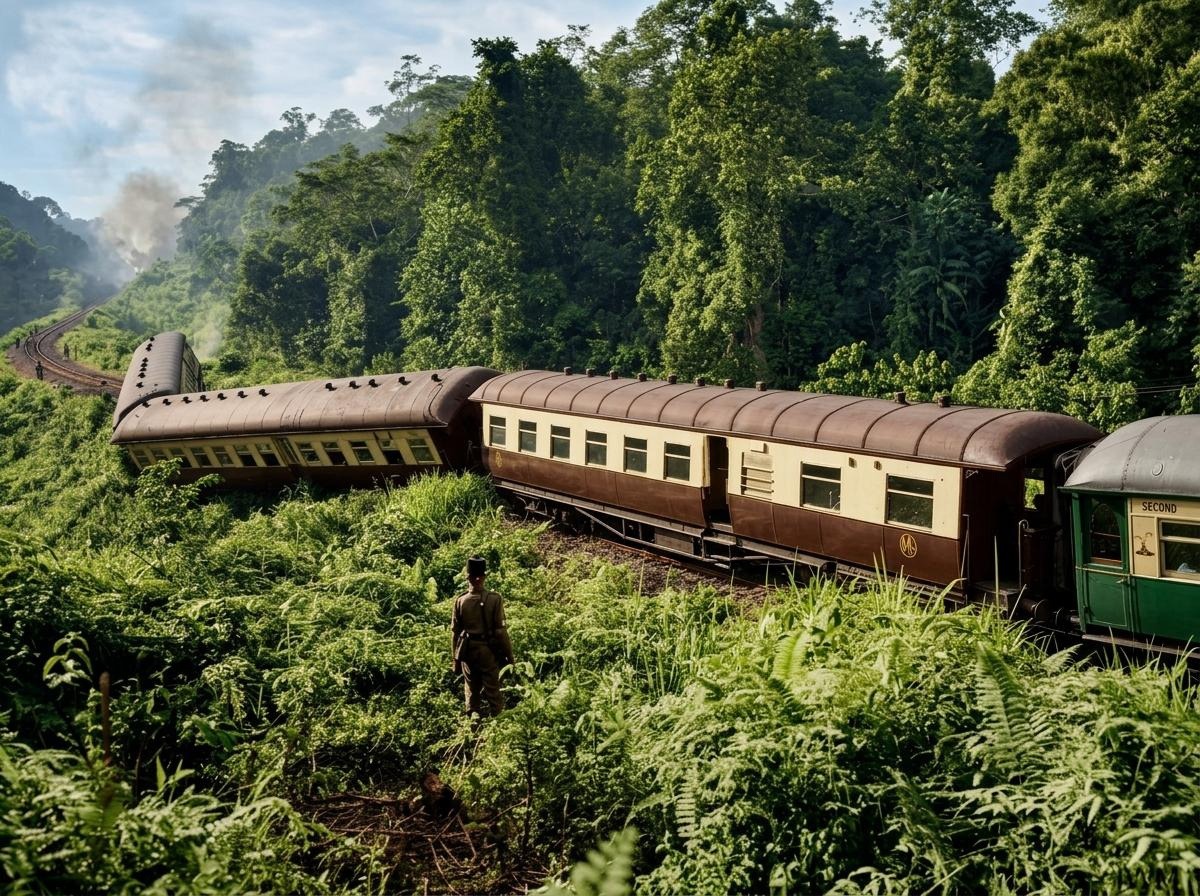
【抗英战争初中期全局战略定评】“此系列战例展现了游击队在抗英战争初中期的广泛动员力与战术渗透网。通过多州协同、频繁破击与伏击,切断了殖民地经济命脉与交通动脉,迫使英军在各州分散设守,极大地消耗了殖民当局的国防资源。”1948年至1954年间,马来亚民族解放军在雪兰莪、霹雳、吉打、彭亨等州的重要工业区、煤矿锡矿、橡胶种植园、战略铁路线及高原公路持续出击,构建起令英殖民当局顾此失彼的全岛游击战网。
[Strategic Impact Assessment of Early Anti-British Operations] "These operations proved the wide mobilization and guerrilla network across multiple states, disrupting economic lines and dispersing British defenses." Between 1948 and 1954, the Malayan National Liberation Army launched persistent raids and ambushes targeting industrial hubs, mines, rubber estates, rail/road transit arteries, and highland corridors across Malaya, severely exhausting British colonial defense resources.
第一章:多州协同与消耗殖民命脉:1948至1954年九大代表性游击与破击战役
Chapter 1: Multi-State Coordination and Draining Colonial Lifelines: Nine Representative Guerrilla Campaigns (1948–1954)
在抗英民族解放战争的初中期(1948年至1954年),马来亚民族解放军确立了“分散发动群众、集中优势兵力打伏击与破击战”的游击战略。在北起吉打马泰边境、南抵柔佛海峡、西起雪兰莪煤炭山工矿区、东达彭亨铁路干线的广阔战场上,游击队向英国殖民统治的经济命脉、军火补给线与搜剿巡逻队发起了连绵不断的凌厉攻势。
1948年8月,游击队突袭雪兰莪州核心工业重镇煤炭山(Batu Arang),一举攻占工矿据点并缴获大批武器与开矿炸药,为各地游击队自制地雷与爆破器材提供了关键物资;同年11月,霹雳州游击队在和丰林丹路(Lintang Road)设伏,干净利落地全歼政府军一个排,缴获包括迫击炮在内的全部武器装备。
进入1949年,全马游击攻势全面高涨:1949年1月,吉打北部游击队在纯笃森林(Sintok)设伏痛击殖民搜剿队,击毙击伤敌军警20余人;同年3月,霹雳州部队在红毛丹森林(Rambutan Forest)密林中首次大规模将自制土地雷与步机枪火力相结合,一举歼灭敌军巡逻队60余人;而在彭亨西部横贯南北的瓜拉吉挠至而连突(Kuala Krau–Jerantut)战略铁路线上,民族解放军在1949年内连续开展11次破击与伏击战斗,炸毁军列、拔除据点,累计歼敌100多名。
1950年至1954年间,面对英军推行的“布里格斯计划”,各州游击队依然保持顽强的突击锐气:1950年1月至1951年1月,吉打中部部队连续进行6次反清剿公路伏击战,歼敌59名,缴获长短枪57支;1950年突袭彭亨文积(Manchis)矿场据点,歼敌20余名并缴获一批武器;1951年连续3次攻袭雪兰莪北部橡胶种植园据点,缴获大批警用武器;直至1954年1月,游击队仍在险峻的金马仑高原(Cameron Highlands)盘山公路引爆地雷伏击英军车队,一举歼敌40余名。这一系列战例充分展现了马共游击队在抗英战争初中期的广泛动员力与战术渗透网,迫使数万英军在全马各州分散设守,极大地消耗了大英帝国的国防与财政资源。
During the early and middle stages of the Anti-British National Liberation War (1948–1954), the Malayan National Liberation Army (MNLA) executed a peninsula-wide campaign of mobile ambushes and infrastructure sabotage targeting industrial centers, tin and coal mines, rubber estates, strategic railways, and mountain highways.
In August 1948, guerrilla units raided Selangor's industrial coal-mining hub of Batu Arang, overrunning outposts and capturing vital explosives and weaponry. In November 1948, Perak guerrillas laid an ambush along Lintang Road in Sungai Siput, wiping out a platoon of government troops and capturing their mortar and all firearms.
In 1949, the offensive intensified across multiple states: in January 1949, northern Kedah guerrillas ambushed a sweep force in Sintok Forest, neutralizing over 20 soldiers and police; in March 1949, Perak units combined homemade landmines with interlocking rifle fire in Rambutan Forest to neutralize over 60 enemy soldiers; and throughout 1949, Pahang units waged 11 consecutive railway sabotage and ambush operations along the strategic Kuala Krau to Jerantut line, neutralizing over 100 government troops.
From 1950 to 1954, despite the implementation of the Briggs Plan, MNLA units continued to strike decisively: between January 1950 and January 1951, Central Kedah units fought six road ambushes against sweeps, neutralizing 59 troops and capturing 57 firearms; in 1950, Pahang guerrillas raided the Manchis mine outpost, neutralizing over 20 troops; in 1951, Northern Selangor units raided rubber estate outposts three times to replenish weapons; and in January 1954, guerrillas detonated landmines on the winding roads of the Cameron Highlands to ambush a military convoy, neutralizing over 40 soldiers.
【1948–1954 各州早期游击与破击战系列 · 九大战例与战略影响定评】
• 08.1948 煤炭山袭击战(Batu Arang Raid):突袭雪兰莪工业重镇煤炭山,攻占工矿据点并缴获大批武器炸药。
• 11.1948 和丰林丹路伏击战(Lintang Road Ambush):在霹雳和丰设伏歼灭政府军一个排,缴获迫击炮等全部武器。
• 01.1949 纯笃森林伏击战(Sintok Ambush):在吉打北部纯笃森林伏击搜剿队,击毙击伤军警20余人。
• 03.1949 红毛丹森林伏击战(Rambutan Forest Ambush):在霹雳红毛丹密林中配合土地雷设伏,歼敌60余人。
• 1949 瓜拉吉挠—而连突破击战(Kuala Krau-Jerantut Operations):在彭亨西部战略铁路线开展11次破击战斗,歼敌100多名。
• 01.1950–01.1951 吉打中部系列伏击战(Central Kedah Ambushes):连续进行6次反清剿公路伏击战,歼敌59名,缴枪57支。
• 1950 文积矿场据点战(Manchis Mine Attack):突袭彭亨文积矿场据点,歼敌20余名并缴获一批武器。
• 1951 雪北胶园袭击战(Estate Raids):连续3次攻袭雪兰莪北部种植园据点,缴获大批警用武器。
• 01.1954 金马仑高原伏击战(Cameron Highlands Ambush):在高原公路引爆地雷伏击车队,歼敌40余名。
★ 核心战略影响定评:此系列战例展现了游击队在抗英战争初中期的广泛动员力与战术渗透网。通过多州协同、频繁破击与伏击,切断了殖民地经济命脉与交通动脉,迫使英军在各州分散设守,极大地消耗了殖民当局的国防资源。[1948–1954 Early Guerrilla & Sabotage Operations Across States · 9 Key Operations & Strategic Impact]— 《马来亚共产党武装斗争历史战役全纪实》抗英战争初中期全局战略定评 | Strategic Impact Assessment, CPM Armed Struggle Historical Campaigns Archive
• 08.1948 Batu Arang Raid: Attacked the industrial coal mining center in Selangor, capturing vital explosives and armaments.
• 11.1948 Lintang Road Ambush: Ambushed and neutralized a platoon of government forces in Sungai Siput, Perak.
• 01.1949 Sintok Ambush: Ambushed government forces in the northern Kedah forest, neutralizing 20+ troops.
• 03.1949 Rambutan Forest Ambush: Ambushed patrols in the Perak forest using landmines, neutralizing 60+ soldiers.
• 1949 Kuala Krau-Jerantut Operations: Fought 11 consecutive clashes along transit lines in Pahang, neutralizing 100+ soldiers.
• 01.1950–01.1951 Central Kedah Ambushes: Conducted six road ambushes against sweeps, neutralizing 59 troops and capturing 57 guns.
• 1950 Manchis Mine Attack: Raided mining outposts in Pahang, neutralizing 20+ troops and capturing weapons.
• 1951 Estate Raids: Raided rubber estate outposts in Northern Selangor thrice to capture police weapons.
• 01.1954 Cameron Highlands Ambush: Ambushed military convoys on winding mountain roads with landmines, neutralizing 40+ soldiers.
★ Core Strategic Impact: These operations proved the wide mobilization and guerrilla network across multiple states, disrupting economic lines and dispersing British defenses.
在抗英民族解放战争的初中期(1948年至1954年),马来亚民族解放军确立了“分散发动群众、集中优势兵力打伏击与破击战”的游击战略。在北起吉打马泰边境、南抵柔佛海峡、西起雪兰莪煤炭山工矿区、东达彭亨铁路干线的广阔战场上,游击队向英国殖民统治的经济命脉、军火补给线与搜剿巡逻队发起了连绵不断的凌厉攻势。
1948年8月,游击队突袭雪兰莪州核心工业重镇煤炭山(Batu Arang),一举攻占工矿据点并缴获大批武器与开矿炸药,为各地游击队自制地雷与爆破器材提供了关键物资;同年11月,霹雳州游击队在和丰林丹路(Lintang Road)设伏,干净利落地全歼政府军一个排,缴获包括迫击炮在内的全部武器装备。
进入1949年,全马游击攻势全面高涨:1949年1月,吉打北部游击队在纯笃森林(Sintok)设伏痛击殖民搜剿队,击毙击伤敌军警20余人;同年3月,霹雳州部队在红毛丹森林(Rambutan Forest)密林中首次大规模将自制土地雷与步机枪火力相结合,一举歼灭敌军巡逻队60余人;而在彭亨西部横贯南北的瓜拉吉挠至而连突(Kuala Krau–Jerantut)战略铁路线上,民族解放军在1949年内连续开展11次破击与伏击战斗,炸毁军列、拔除据点,累计歼敌100多名。
1950年至1954年间,面对英军推行的“布里格斯计划”,各州游击队依然保持顽强的突击锐气:1950年1月至1951年1月,吉打中部部队连续进行6次反清剿公路伏击战,歼敌59名,缴获长短枪57支;1950年突袭彭亨文积(Manchis)矿场据点,歼敌20余名并缴获一批武器;1951年连续3次攻袭雪兰莪北部橡胶种植园据点,缴获大批警用武器;直至1954年1月,游击队仍在险峻的金马仑高原(Cameron Highlands)盘山公路引爆地雷伏击英军车队,一举歼敌40余名。这一系列战例充分展现了马共游击队在抗英战争初中期的广泛动员力与战术渗透网,迫使数万英军在全马各州分散设守,极大地消耗了大英帝国的国防与财政资源。
During the early and middle stages of the Anti-British National Liberation War (1948–1954), the Malayan National Liberation Army (MNLA) executed a peninsula-wide campaign of mobile ambushes and infrastructure sabotage targeting industrial centers, tin and coal mines, rubber estates, strategic railways, and mountain highways.
In August 1948, guerrilla units raided Selangor's industrial coal-mining hub of Batu Arang, overrunning outposts and capturing vital explosives and weaponry. In November 1948, Perak guerrillas laid an ambush along Lintang Road in Sungai Siput, wiping out a platoon of government troops and capturing their mortar and all firearms.
In 1949, the offensive intensified across multiple states: in January 1949, northern Kedah guerrillas ambushed a sweep force in Sintok Forest, neutralizing over 20 soldiers and police; in March 1949, Perak units combined homemade landmines with interlocking rifle fire in Rambutan Forest to neutralize over 60 enemy soldiers; and throughout 1949, Pahang units waged 11 consecutive railway sabotage and ambush operations along the strategic Kuala Krau to Jerantut line, neutralizing over 100 government troops.
From 1950 to 1954, despite the implementation of the Briggs Plan, MNLA units continued to strike decisively: between January 1950 and January 1951, Central Kedah units fought six road ambushes against sweeps, neutralizing 59 troops and capturing 57 firearms; in 1950, Pahang guerrillas raided the Manchis mine outpost, neutralizing over 20 troops; in 1951, Northern Selangor units raided rubber estate outposts three times to replenish weapons; and in January 1954, guerrillas detonated landmines on the winding roads of the Cameron Highlands to ambush a military convoy, neutralizing over 40 soldiers.
1. 1948年8月 煤炭山袭击战:突袭雪兰莪工业重镇煤炭山,攻占工矿据点并缴获大批武器炸药。
2. 1948年11月 和丰林丹路伏击战:在霹雳和丰设伏歼灭政府军一个排,缴获迫击炮等全部武器。
3. 1949年1月 纯笃森林伏击战:在吉打北部纯笃森林伏击搜剿队,击毙击伤军警20余人。
4. 1949年3月 红毛丹森林伏击战:在霹雳红毛丹密林中配合土地雷设伏,歼敌60余人。
5. 1949年 瓜拉吉挠至而连突破击战:在彭亨西部战略铁路线开展11次破击战斗,歼敌100多名。
6. 1950年1月至1951年1月 吉打中部系列伏击战:连续进行6次反清剿公路伏击战,歼敌59名,缴枪57支。
7. 1950年 文积矿场据点战:突袭彭亨文积矿场据点,歼敌20余名并缴获一批武器。
8. 1951年 雪北胶园袭击战:连续3次攻袭雪兰莪北部种植园据点,缴获大批警用武器。
9. 1954年1月 金马仑高原伏击战:在高原公路引爆地雷伏击车队,歼敌40余名。1. 08.1948 Batu Arang Raid: Attacked the industrial coal mining center in Selangor, capturing vital explosives and armaments.— 《各州早期游击与破击战系列(1948–1954)战史汇总》 | Summary of Early Guerrilla & Sabotage Operations Across States (1948–1954)
2. 11.1948 Lintang Road Ambush: Ambushed and neutralized a platoon of government forces in Sungai Siput, Perak, capturing a mortar and all weapons.
3. 01.1949 Sintok Ambush: Ambushed government forces in the northern Kedah forest, neutralizing 20+ troops.
4. 03.1949 Rambutan Forest Ambush: Ambushed patrols in the Perak forest using landmines, neutralizing 60+ soldiers.
5. 1949 Kuala Krau–Jerantut Operations: Fought 11 consecutive clashes along strategic transit lines in Pahang, neutralizing 100+ soldiers.
6. 01.1950–01.1951 Central Kedah Ambushes: Conducted six road ambushes against sweeps, neutralizing 59 troops and seizing 57 rifles.
7. 1950 Manchis Mine Attack: Raided mining outposts in Pahang, neutralizing 20+ troops and capturing weapons.
8. 1951 Northern Selangor Estate Raids: Raided rubber estate outposts thrice to capture police weapons.
9. 01.1954 Cameron Highlands Ambush: Detonated landmines to ambush military convoys on winding mountain roads, neutralizing 40+ soldiers.
第二章:饥饿封锁下的生存逻辑:1952年3月25日丹绒马林清水港伏击战真相考辨
Chapter 2: The Logic of Survival Under Starvation Blockade: The Truth of the March 25, 1952 Tanjong Malim Qingshuigang Ambush
1952年3月25日,在霹雳州与雪兰莪州交界处的丹绒马林清水港(Qingshuigang, Tanjong Malim),约50名马来亚民族解放军游击队员设伏拦截了一支前来抢修供水管道的殖民政府车队,在激战中击毙了曾获二战战功的英籍助理县长迈克尔·柯德纳(Michael Codner,即二战著名盟军战俘营《木马计》原型人物之一)及殖民军警共12人。事发后,新任英国驻马来亚最高专员邓普勒(Gerald Templer)大发雷霆,英国官方宣传机器立即将其定性为一起“精心策划的政治暗杀”,并以此为借口对丹绒马林全镇居民实施了残酷的22小时宵禁与口粮减半集体惩罚。
然而,历史真相究竟如何?据当年亲自参与此役的马共老战士阿平(林平)在口述历史中回忆:当时在英殖民当局残酷的“布里格斯计划”饥饿封锁与新村铁丝网隔绝下,这支活动在丹绒马林山区的游击队已经断粮数周,战士们饥肠辘辘、衣履破烂。游击队之所以冒险下山切断通往丹绒马林城镇的水管并在清水港设伏,唯一目的根本不是刺杀哪位英国殖民官僚,而仅仅是为了引出前来维修水管的军警小队,从而夺取他们随身携带的干粮、洋火(火柴)和胶鞋!
正如老战士阿平所言:“在物资极其匮乏的丛林中,抢来的几袋干粮,远比击毙一名殖民长官更重要。”这一朴素而震撼的战场回忆,一针见血地戳穿了英国殖民官方档案的政治臆测,也令后人真切触摸到马共指战员在断粮绝境中顽强求生、坚持战斗的悲壮历史肌理。
On March 25, 1952, at Qingshuigang near Tanjong Malim on the Perak-Selangor border, approximately 50 MNLA guerrillas ambushed a colonial repair convoy, killing Assistant District Officer Michael Codner (famous for the WWII 'Wooden Horse' prisoner-of-war escape) and 11 colonial police and officials. British High Commissioner General Gerald Templer reacted with fury; British official propaganda immediately labeled the clash a 'pre-planned political assassination' and imposed a punitive 22-hour curfew and halved rice rations on the entire town of Tanjong Malim.
Yet the first-hand recollection of CPM veteran Ah Ping (Lin Ping) reveals the stark reality on the ground: under the ruthless starvation blockade of the Briggs Plan, the guerrilla unit had been without food for weeks. Their sole purpose in cutting the town's water pipeline and laying an ambush at Qingshuigang was to lure out a repair escort so the starving fighters could seize the rations, matches, and rubber boots carried by the troops.
As veteran Ah Ping testified: 'In the resource-depleted jungle, a few captured bags of rations were far more critical than the life of a colonial officer.' This candid oral history pierces through colonial mythmaking to reveal the brutal material reality of jungle survival during the Anti-British War.
丹绒马林清水港伏击战(1952.3.25):约50名游击队员在清水港设伏,击毙助理县长柯德纳等12人。
英国官方将其定性为“精心策划的政治暗杀”。但据马共老战士阿平(林平)回忆,游击队在饥饿封锁下已断粮数周,切断水管设伏的唯一目的,是为了夺取维修军警身上的干粮、洋火和胶鞋。
“在物资极其匮乏的丛林中,抢来的几袋干粮,远比击毙一名殖民长官更重要。”The Tanjong Malim Qingshuigang Ambush (1952.3.25): About 50 guerrillas ambushed a convoy at Qingshuigang, killing Assistant District Officer Codner and 11 others.— 马共参战老战士阿平(林平)关于1952年3月25日丹绒马林清水港伏击战之历史回忆 | Oral History Testimony of CPM Veteran Ah Ping (Lin Ping) on the March 25, 1952 Tanjong Malim Ambush
While British officials defined it as a 'pre-planned political assassination,' veteran Ah Ping recalled that the guerrillas, starving for weeks under the blockade, cut the pipeline solely to seize rations, matches, and boots from the repair team.
'In the resource-depleted jungle, a few captured bags of rations were far more critical than the life of a colonial officer.'