建制专卷第3卷:马来亚民族解放军(MNLA,上篇):抗英民族解放战争、百万民众支持网与北马党校整训纪实
Armed Forces Monograph Vol. 3: Malayan National Liberation Army (MNLA, Part I): Anti-British Liberation War, Peak Support Network & Northern Malaya Party School
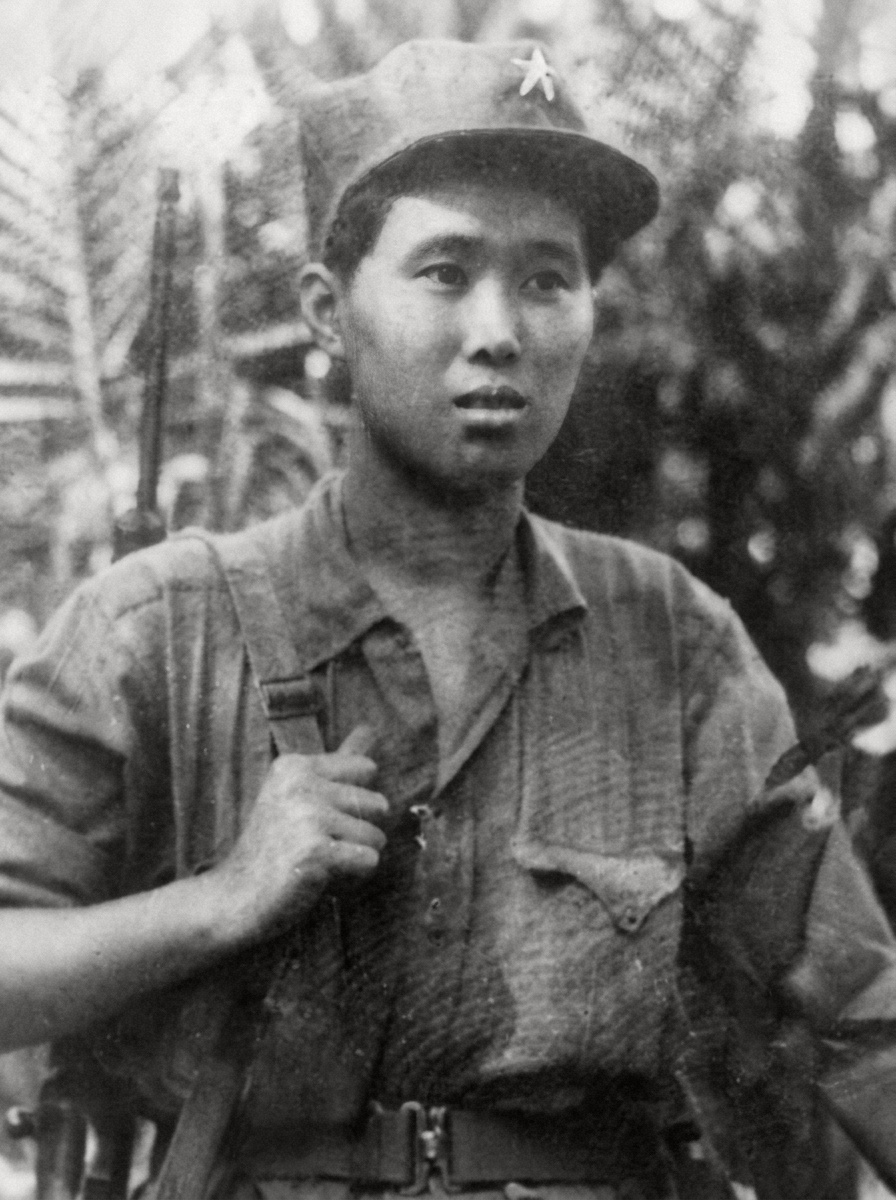
【第二历史时期建制(上篇)总览】二战后经济萧条与殖民压迫激化矛盾 ➔ 1948年6月紧急状态爆发,马共召集抗日军老战士重返森林,于1949年2月1日正式定名为“马来亚民族解放军”(MNLA) ➔ 1951–1952年全盛期力量配置(全职游击队战士约7,000至8,000人、潜伏胶林“民运”网络30,000至40,000人、外围同情者与支持者逾1,000,000人) ➔ 部队活动与队伍建设(森林军政训练、北马党校第一期至第五期整训结业典礼、解放战争15周年纪念大会与刺杀操演)。
[Second Armed Force Era (Part I) Overview] Post-WWII economic depression and colonial repression ➔ June 1948 Emergency and reorganization of MPAJA veterans into the Malayan National Liberation Army (MNLA) on 1 February 1949 ➔ 1951–1952 Peak Strength (7,000–8,000 full-time fighters, 30,000–40,000 underground Min Yuen operatives, and over 1,000,000 civilian sympathizers) ➔ Troop Activities & Force Building (Northern Malaya Party School graduation, 15th Anniversary of the Liberation War, and jungle tactical drills).
第一章:重返丛林与民族解放军(MNLA)的诞生:全盛期百万民众支持网络
Chapter 1: Return to the Jungle and Birth of the MNLA: Peak Guerrilla Strength and the Million-Strong Support Network
1945年二战结束后,重返马来亚的英国殖民政府不仅未能兑现战时承诺的民主自治,反而推行旨在维护英资橡胶与锡矿垄断利益的高压经济政策。战后严重的通货膨胀、粮食短缺与经济萧条,使广大胶工、矿工与城市劳工陷于饥寒交迫的绝境。马共领导的泛马来亚职工总会(PMFTU)掀起了波澜壮阔的罢工与反殖宪制斗争,而英国殖民当局则以流血镇压、枪杀罢工工人及查封进步报馆相回应。
1948年6月,英殖民政府悍然宣布全马进入“紧急状态”,将马共列为非法组织并展开全境大搜捕。在退无可退的历史关头,马共中央毅然召唤昔日抗日军老战士重返森林,启封战后秘密窖藏的武器弹药,并于1949年2月1日正式将部队定名为“马来亚民族解放军”(Malayan National Liberation Army,简称 MNLA),旨在通过人民战争推翻英国殖民统治、实现马来亚各民族真正的独立与解放。
在1951至1952年的全盛时期,马来亚民族解放军展现出惊人的战略动员力:全军拥有约7,000至8,000名全职森林游击队指战员;在橡胶园、锡矿场与乡村边缘,潜伏着30,000至40,000名负责情报传递与物资补给的地下“民运”(Min Yuen)骨干;而在更广阔的社会基层,同情并支持民族解放军的外围民众更超过1,000,000人。面对四十万英联邦军警的围剿与强迫五十万农村华人迁入铁丝网集中营的“布里格斯计划”(Briggs Plan),民族解放军正是依靠这片深厚的民众海洋,在丛林中坚持了长达十二年的第一轮抗英解放战争。
Following the end of World War II, the returning British colonial administration prioritized imperial rubber and tin monopolies over democratic self-rule. Severe post-war economic depression, hyperinflation, and food shortages sparked widespread labor strikes led by CPM-affiliated trade unions, which the colonial authorities met with armed suppression and draconian bans.
When the British declared the 'Malayan Emergency' in June 1948 and outlawed the Party, the CPM recalled its seasoned MPAJA veterans to the jungle, unearthed hidden wartime weapons, and formally established the Malayan National Liberation Army (MNLA) on 1 February 1949 to overthrow colonial rule and achieve national independence.
At its zenith in 1951–1952, the MNLA commanded formidable popular backing: 7,000 to 8,000 full-time jungle guerrilla fighters, supported by 30,000 to 40,000 underground 'Min Yuen' (Masses Movement) operatives across rubber estates and rural fringes, and over 1,000,000 civilian sympathizers and supporters—sustaining a twelve-year anti-colonial war against hundreds of thousands of British and Commonwealth troops and the forced resettlement of the Briggs Plan.
【马来亚民族解放军 (MNLA)】
二战结束后,马来亚陷入严重的经济萧条与通货膨胀,劳工运动与罢工浪潮频发,马共与英国殖民政府的矛盾迅速激化。
1948年6月,英殖民政府宣布全马进入“紧急状态”并取缔马共。马共随即召集前抗日军老战士重返森林,启用战后秘密收藏的武器,正式将武装力量重组为“马来亚民族解放军”(MNLA),展开旨在推翻英国殖民统治、争取民族独立的武装斗争。
【全盛时期(1951–1952年左右)】
约 7,000 – 8,000 名全职游击队战士|30,000 – 40,000 名潜伏于胶林的“民运”支持网络|逾 1,000,000 名同情者及外围支持者[Malayan National Liberation Army (MNLA)]— 录自《马来亚民族解放军 (MNLA)》原始文献(第一节) | Verbatim Transcription from 'Malayan National Liberation Army (MNLA)' Primary Chronicle (Section 1)
Following the end of World War II, Malaya fell into severe economic depression and inflation, sparking frequent labour unrest and waves of strikes. Tensions between the CPM and the British colonial government escalated rapidly.
In June 1948, the British colonial government declared a state of 'Emergency' across Malaya and banned the CPM. The CPM immediately recalled former MPAJA veterans back into the jungle, retrieving weapons secretly hidden after the war, and formally reorganised its armed forces into the 'Malayan National Liberation Army' (MNLA), launching an armed struggle aimed at overthrowing British colonial rule and achieving national independence.
[Peak Strength (circa 1951–1952)]
Approx. 7,000 – 8,000 full-time guerrilla fighters | 30,000 – 40,000 underground 'Min Yuen' (Masses Movement) support network | Over 1,000,000 sympathisers and supporters
第二章:部队活动与队伍建设(一):森林营地大操演、刺杀格斗与战术锤炼
Chapter 2: Troop Activities & Force Building (Part I): Jungle Camp Drills, Bayonet Combat, and Tactical Training
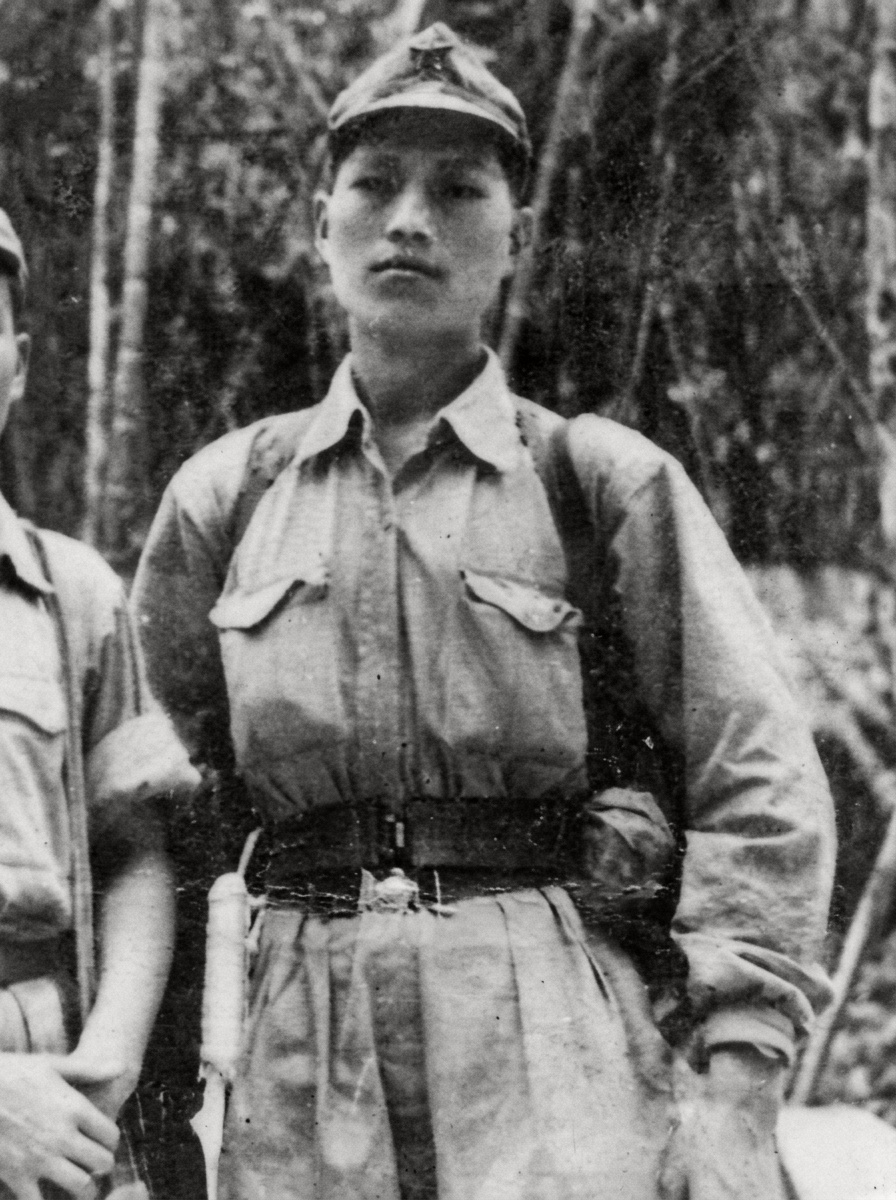
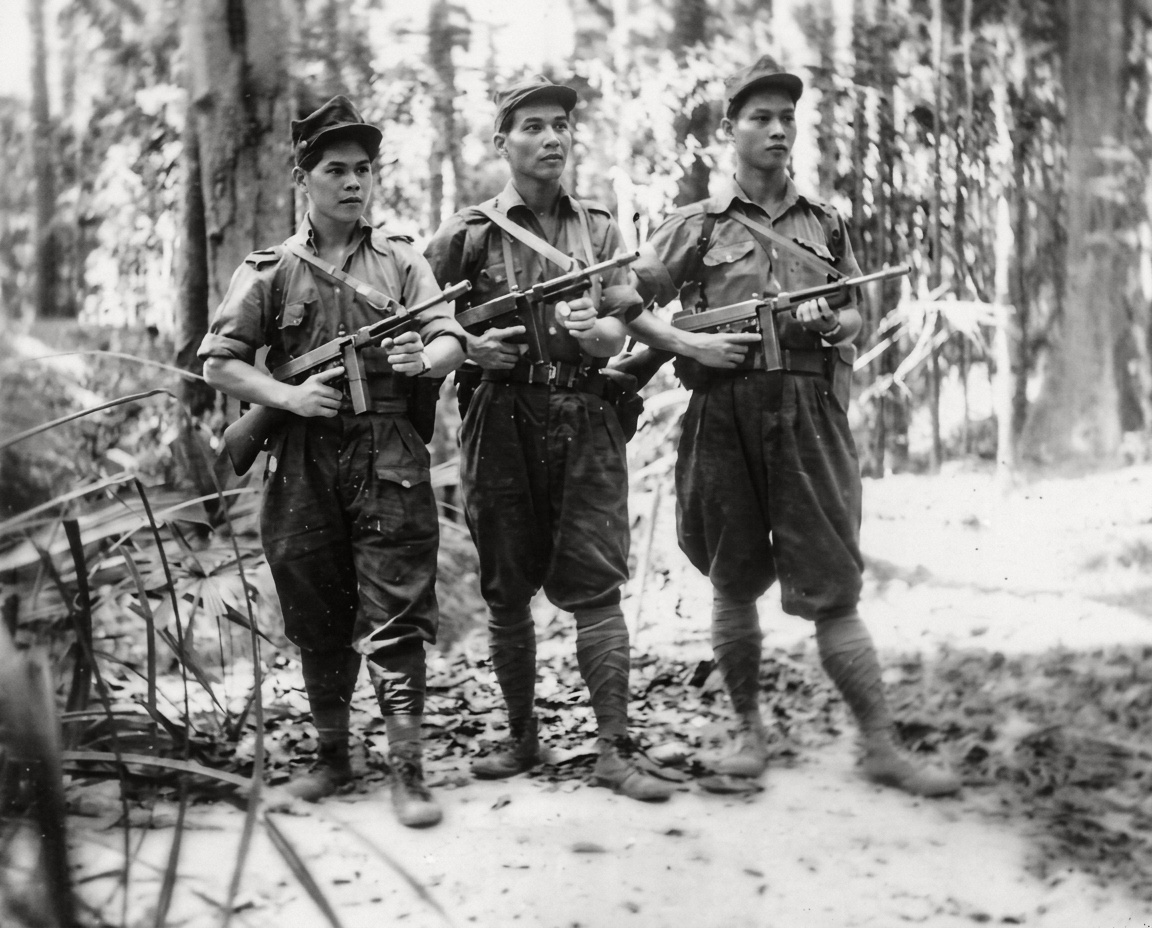
1950年代中后期至1960年代初,随着马共中央与民族解放军主力有计划地转移至泰马边境的高山密林,部队进入了系统化的整训与队伍建设阶段。尽管身处物资匮乏、崇山阻隔的原始雨林,民族解放军依然严格贯彻正规化军事管理与高强度战术训练。
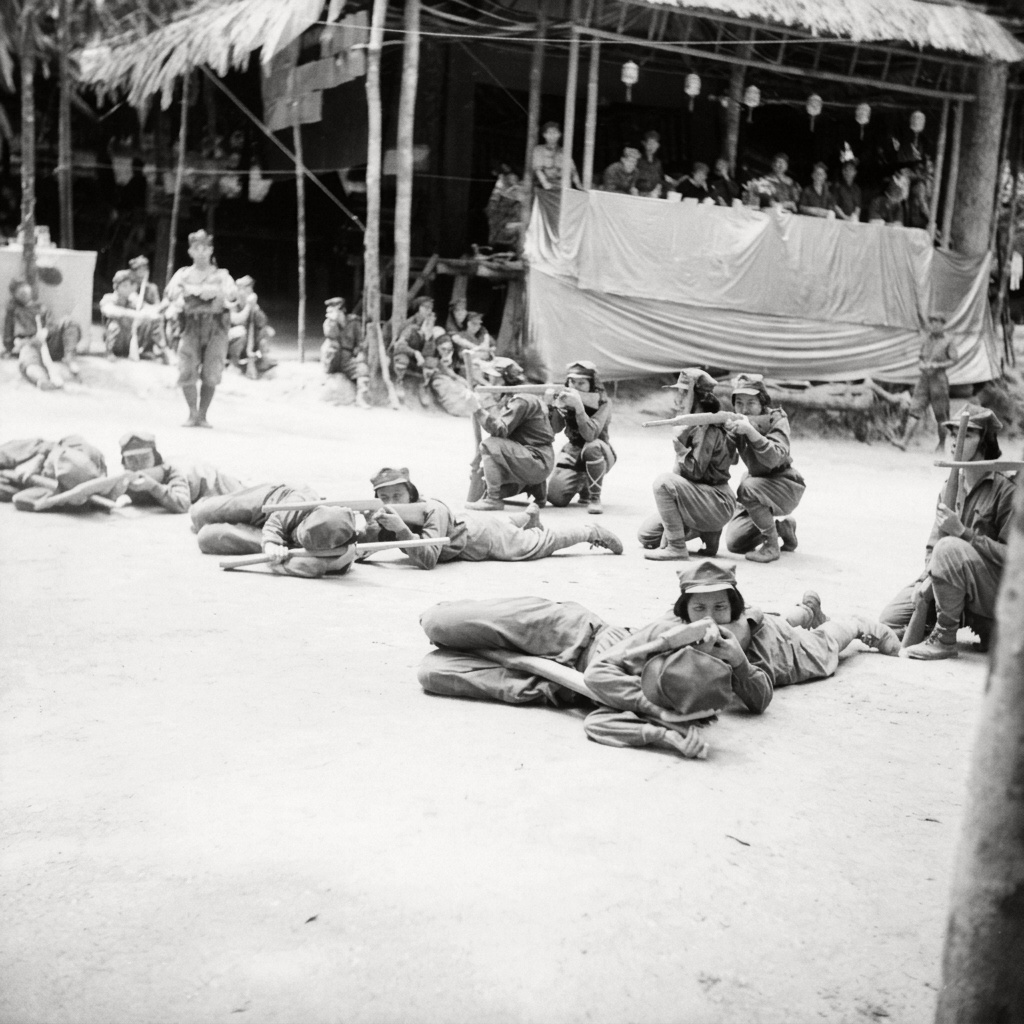
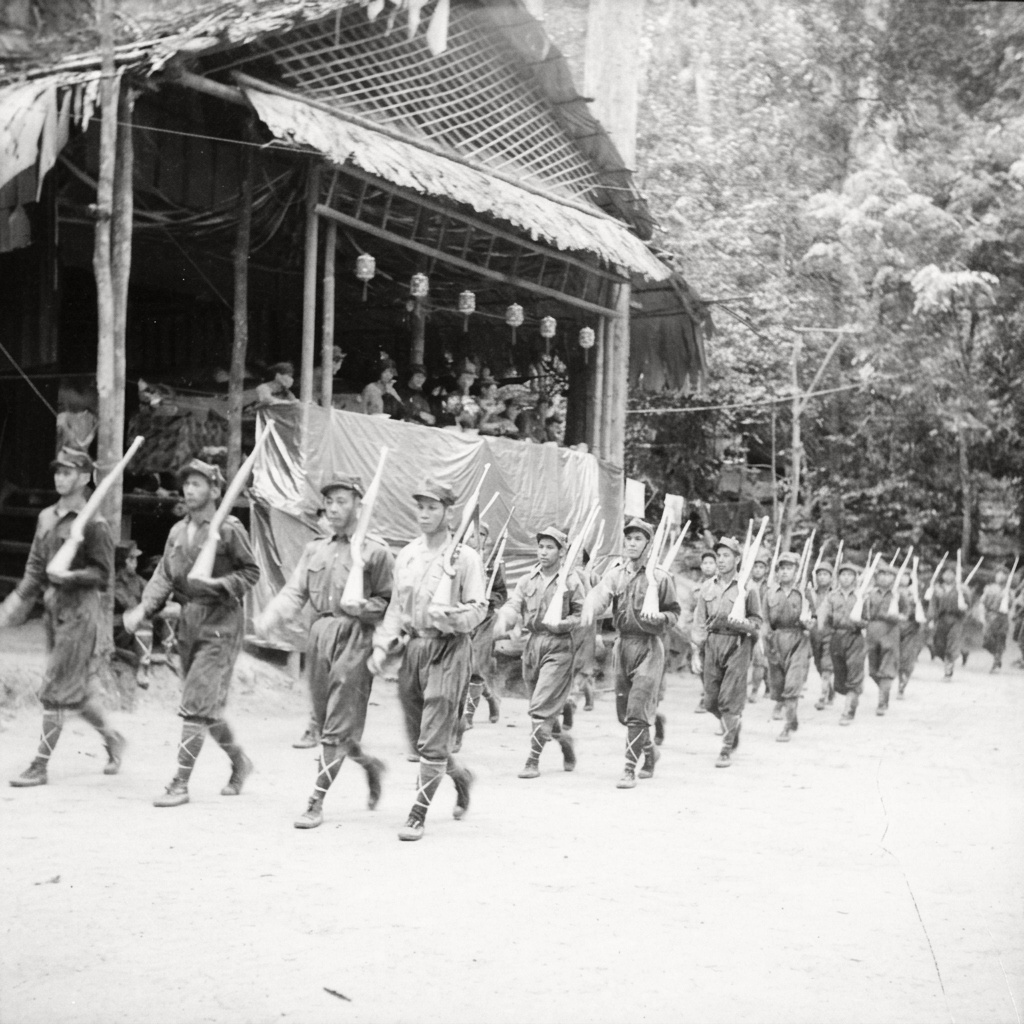
在各支队开辟的森林大操场上,男女指战员每日清晨即展开队列行进、持枪刺杀格斗、丛林障碍越障、单兵掩体构筑与实弹射击演练。严谨的作息制度、铁一般的群众纪律与官兵平等的民主生活会,使民族解放军在长达十余年的战略相持与休整期中非但没有涣散,反而锻造出一大批精通丛林游击战术的青年骨干。
除了持枪刺杀操演,民族解放军在密林军营中还专门开设了极具民间传奇色彩的徒手格斗与传统武术课。在馆藏第66号历史影像中,武术教员站在林间空地中央,向围成一圈的青年男女战士一招一式地传授适合丛林近身肉搏的南派拳术与“凤眼拳”绝技:“这是拳的基本握法,这是凤眼拳的握法,食指突出、用力握紧;这是三脚马,重心占十之六七……”战士们在树荫下一遍遍苦练马步冲拳、锁喉擒拿与夺刀防身术,将中华传统武艺与现代游击近战格斗融为一炉,成为丛林军营里一道既严肃又生动的独特风景。
From the late 1950s into the early 1960s, as the CPM Central Committee and main MNLA units consolidated their base areas along the mountainous Thai-Malaysian frontier, the army entered a period of systematic reorganization and intensive force-building. Despite the isolation of the equatorial rainforest, the MNLA enforced strict military regularity and rigorous tactical training.
On cleared jungle parade grounds, male and female combatants practiced daily formation marches, bayonet combat, obstacle crossing, field fortification, and marksmanship. Combined with iron discipline and egalitarian camaraderie, this regimen forged a resilient generation of guerrilla commanders.
Beyond rifle bayonet drills, the MNLA also conducted spirited hand-to-hand combat and traditional martial arts classes in the forest clearings. In Archival Reel No. 66, a martial arts instructor demonstrates southern-style kung fu techniques adapted for jungle close-quarters combat—most notably the 'Phoenix-Eye Fist' (凤眼拳) and the 'Three-Legged Horse Stance' (三脚马): 'This is the basic fist grip, and this is the Phoenix-Eye Fist grip, with the index knuckle protruding and clenched tight...' Young male and female fighters practiced stances, strikes, and disarming techniques beneath the rainforest canopy, blending folk martial traditions with modern guerrilla self-defense.
1950年代中后期至1960年代初,随着马共中央与民族解放军主力有计划地转移至泰马边境的高山密林,部队进入了系统化的整训与队伍建设阶段。尽管身处物资匮乏、崇山阻隔的原始雨林,民族解放军依然严格贯彻正规化军事管理与高强度战术训练。
在各支队开辟的森林大操场上,男女指战员每日清晨即展开队列行进、持枪刺杀格斗、丛林障碍越障、单兵掩体构筑与实弹射击演练。严谨的作息制度、铁一般的群众纪律与官兵平等的民主生活会,使民族解放军在长达十余年的战略相持与休整期中非但没有涣散,反而锻造出一大批精通丛林游击战术的青年骨干。
From the late 1950s into the early 1960s, as the CPM Central Committee and main MNLA units consolidated their base areas along the mountainous Thai-Malaysian frontier, the army entered a period of systematic reorganization and intensive force-building. Despite the isolation of the equatorial rainforest, the MNLA enforced strict military regularity and rigorous tactical training.
On cleared jungle parade grounds, male and female combatants practiced daily formation marches, bayonet combat, obstacle crossing, field fortification, and marksmanship. Combined with iron discipline and egalitarian camaraderie, this regimen forged a resilient generation of guerrilla commanders.
【部队活动与队伍建设】
通过队列操演、军事技术比武、政治学习与纪念集会,马来亚民族解放军在泰马边境丛林据点中建立起高度组织化、纪律化的军营体系,持续为长期游击战争储备干部与战斗骨干。[Troop Activities and Force Building]— 录自《马来亚民族解放军 (MNLA) — 部队活动与队伍建设》文献综述 | From 'Malayan National Liberation Army (MNLA) — Troop Activities and Force Building'
Through formation drills, military skill competitions, political study, and commemorative assemblies, the Malayan National Liberation Army built a highly organized and disciplined camp system in its Thai-Malaysian border jungle strongholds, cultivating cadres and combat backbones for protracted guerrilla warfare.
除了持枪刺杀操演,民族解放军在密林军营中还专门开设了极具民间传奇色彩的徒手格斗与传统武术课。在馆藏第66号历史影像中,武术教员站在林间空地中央,向围成一圈的青年男女战士一招一式地传授适合丛林近身肉搏的南派拳术与“凤眼拳”绝技:“这是拳的基本握法,这是凤眼拳的握法,食指突出、用力握紧;这是三脚马,重心占十之六七……”战士们在树荫下一遍遍苦练马步冲拳、锁喉擒拿与夺刀防身术,将中华传统武艺与现代游击近战格斗融为一炉,成为丛林军营里一道既严肃又生动的独特风景。
Beyond rifle bayonet drills, the MNLA also conducted spirited hand-to-hand combat and traditional martial arts classes in the forest clearings. In Archival Reel No. 66, a martial arts instructor demonstrates southern-style kung fu techniques adapted for jungle close-quarters combat—most notably the 'Phoenix-Eye Fist' (凤眼拳) and the 'Three-Legged Horse Stance' (三脚马): 'This is the basic fist grip, and this is the Phoenix-Eye Fist grip, with the index knuckle protruding and clenched tight...' Young male and female fighters practiced stances, strikes, and disarming techniques beneath the rainforest canopy, blending folk martial traditions with modern guerrilla self-defense.
第三章:部队活动与队伍建设(二):北马党校毕业大典与抗英民族解放战争15周年纪念
Chapter 3: Troop Activities & Force Building (Part II): Northern Malaya Party School Graduation and 15th Anniversary of the Liberation War
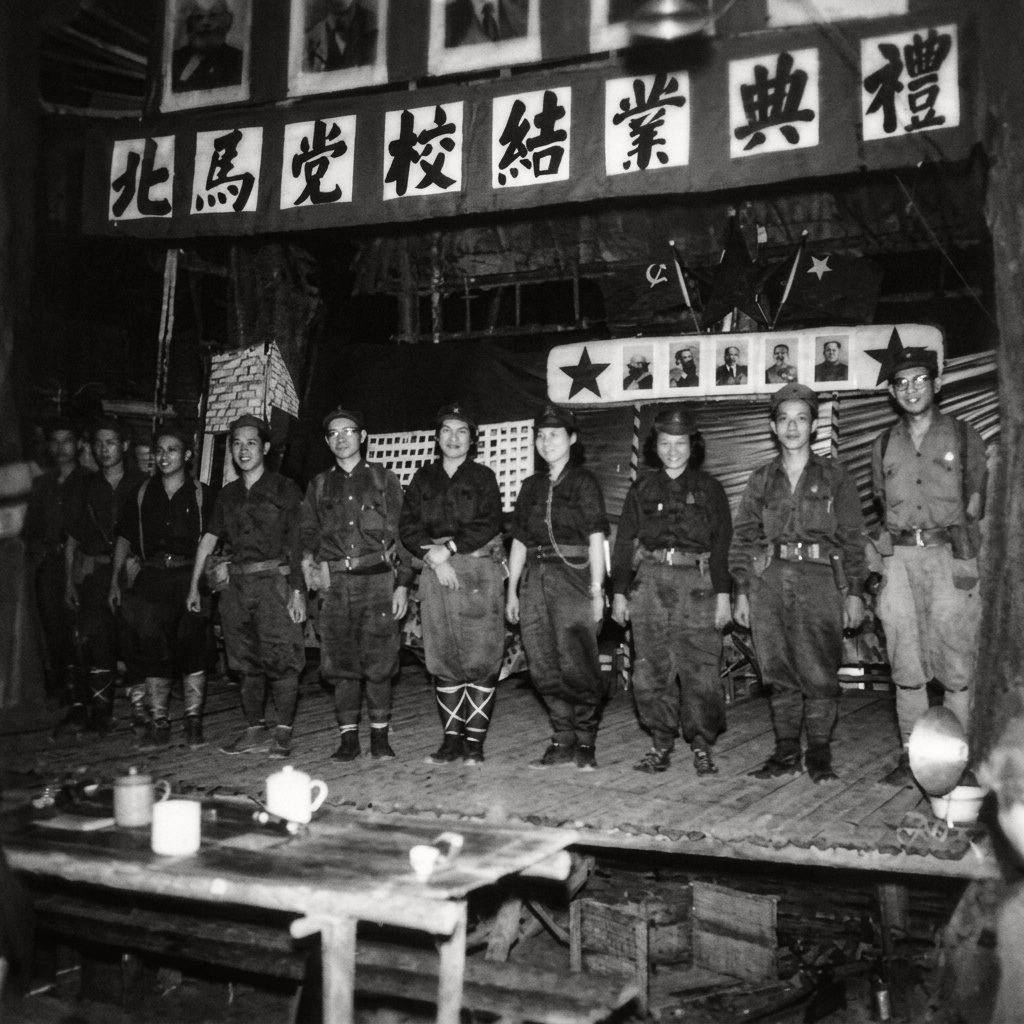
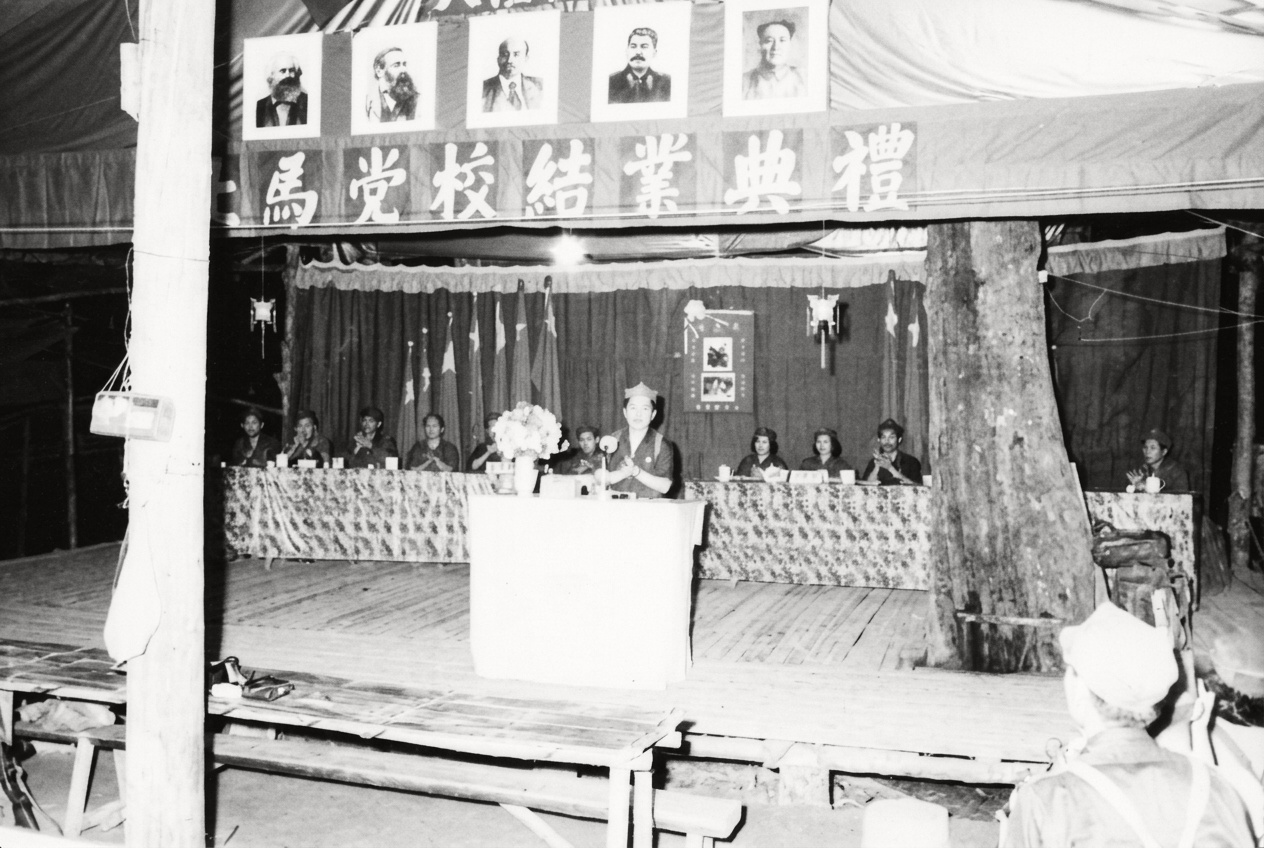
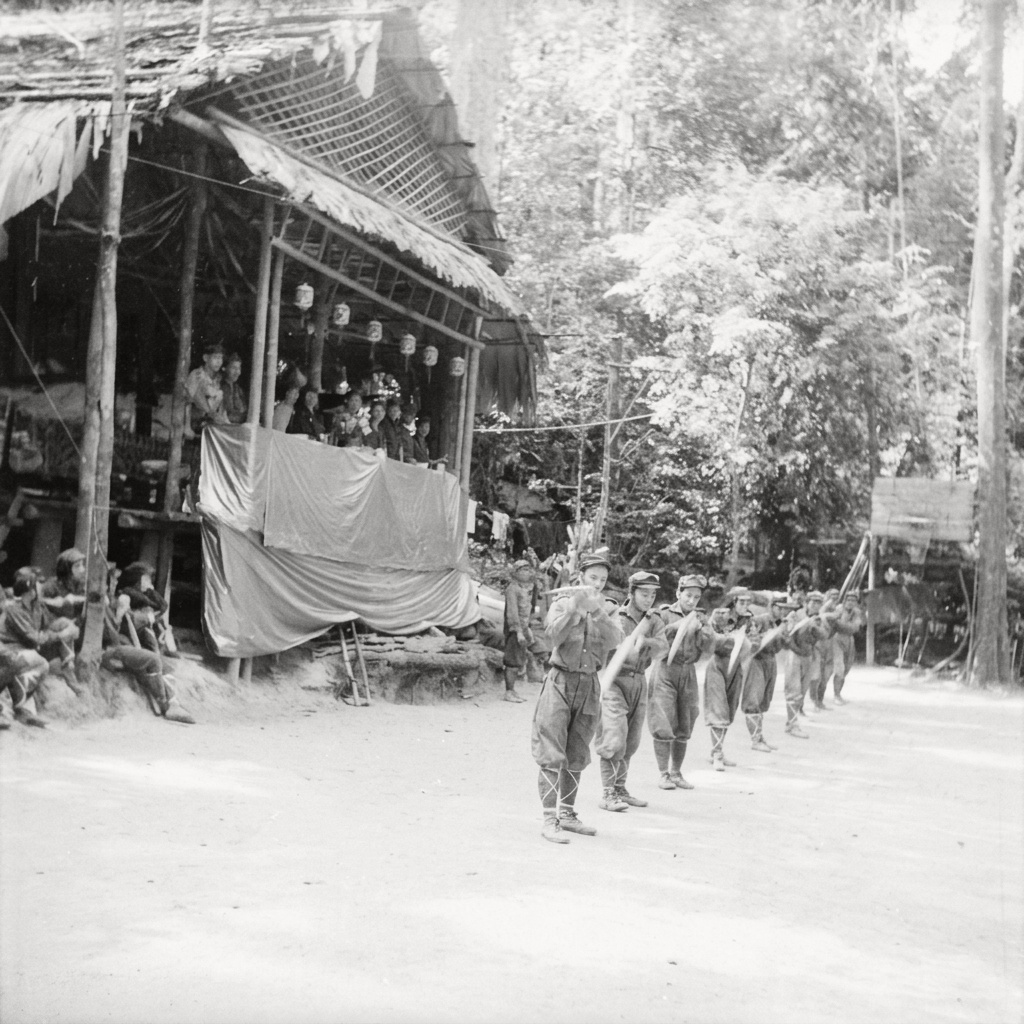
在强化军事技能的同时,马共中央高度重视军队的政治思想建设与理论教育。在泰马边境根据地创办的“北马党校”(Northern Malaya Party School),成为培养各支队政委、支部书记与青年指挥员的最高学府。学员们在简陋的竹木礼堂内系统研读马列主义经典、马来亚社会性质分析以及人民战争战略战术,从北马党校第一期至第四期(1965年)、第五期(1967年)结业典礼的系列留影,见证了这支丛林军队浓厚的理论学习风气。
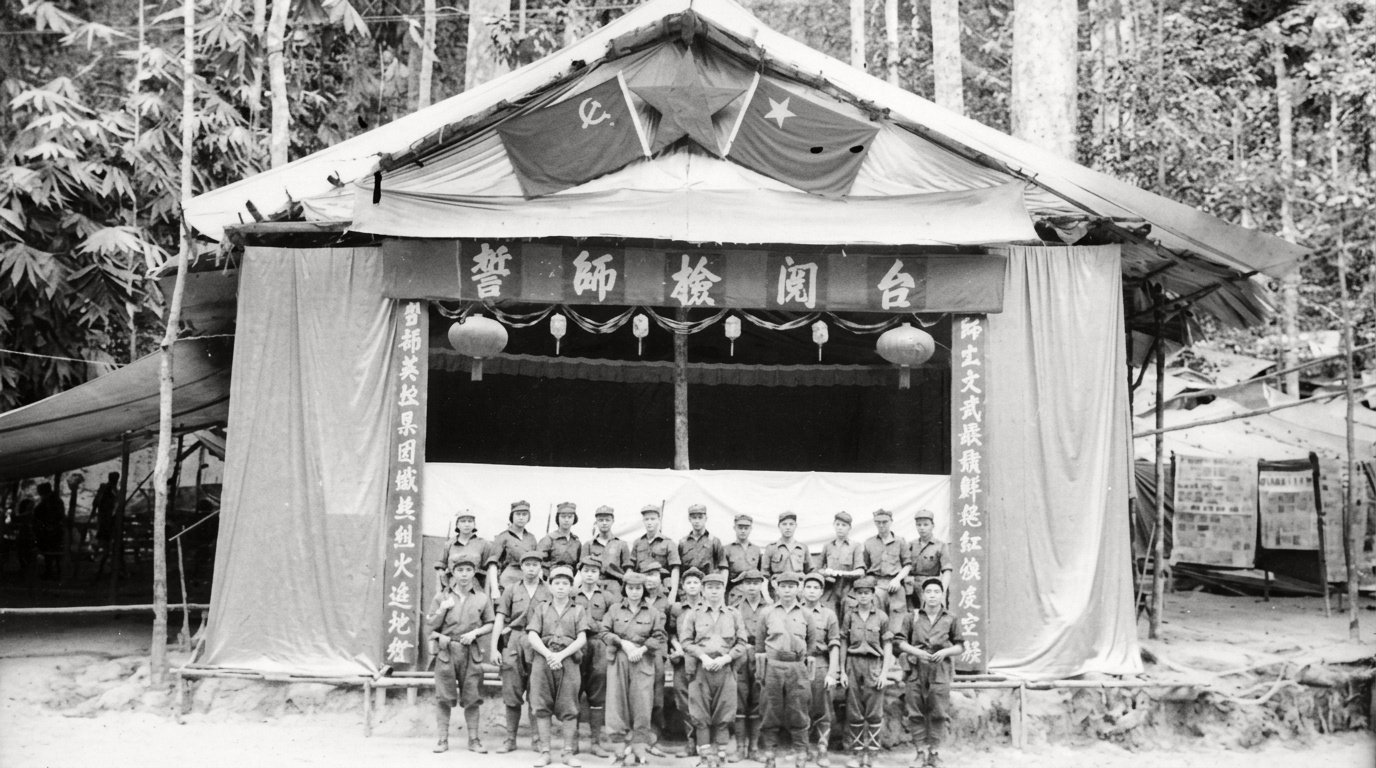
1963年6月20日,时值抗英民族解放战争爆发15周年纪念日,民族解放军各支队在边境森林根据地隆重搭建起装饰有松柏、五角星与中马双语横幅的检阅台与纪念礼堂,举行盛大的阅兵式、庆功表彰与文艺汇演。这批珍贵的历史底片,全方位定格了民族解放军在1960年代整训时期的精神风貌。
在游击队的森林生活中,有一项既紧张又充满生活情趣的重大集体行动,那便是被战士们亲切称为“搬家”的营地大转移。为了保持行踪隐秘或开辟新的生产训练基地,整支连队每隔一段时间便要拔营迁徙。数以百计的战士如何在崇山峻岭间搬走整座军营?馆藏《第一队搬家》(No. 32-1)与《第二队搬家》(No. 32-2)两部实录给出了最直观的答案:指战员们将沉重的大铁锅、油印机、粮食桶、医药箱乃至煤油灯,分门别类地捆扎进亲手编织的藤篓与竹背篓中,把原本居住的亚答竹屋清理得不留一丝痕迹。
出发前夕,林间空地上响起清脆的点名声,战士们用各自的革命化名高声应答:“江湖:有!蓝蓝:有!丹青:有!火光:有!”随着指挥员一声令下,男女战士背起几乎与身高齐平的巨大行军篓,排成蜿蜒的长龙穿行于参天古木与山涧溪流之间,一边行军一边谈笑互助,去往下一处深山密林搭建崭新的革命家园。
Alongside military training, the CPM Central Committee placed paramount emphasis on political and theoretical education. The 'Northern Malaya Party School' established in the border base area served as the premier academy for training political commissars, branch secretaries, and young commanders. Archival photographs of the First Graduating Class of the Northern Malaya Party School attest to the rigorous intellectual life within the jungle camps.
On 20 June 1963, marking the 15th Anniversary of the Anti-British National Liberation War, MNLA regiments erected ceremonial archways and reviewing stands across their border strongholds, holding grand military parades, commendation rallies, and cultural performances captured in these rare archival negatives.
Among the most fascinating collective rituals of jungle guerrilla life was what the fighters fondly called 'Moving House' (搬家)—the tactical relocation of an entire forest camp. Whenever security or seasonal logistics required shifting to a new mountain valley, how did hundreds of combatants move an entire village through trackless rainforest? Archival Reels No. 32-1 ('Unit 1 Moving Camp') and No. 32-2 ('Unit 2 Moving Camp') capture the process in vivid detail: fighters carefully packed giant cast-iron woks, mimeograph presses, grain drums, medical chests, and kerosene lamps into hand-woven rattan and bamboo backpacks, dismantling their thatch huts so no trace remained.
Before setting off, roll call echoed through the forest clearing as fighters answered by their guerrilla noms de guerre: 'Jianghu: Present! Lanlan: Present! Danqing: Present! Huoguang: Present!' Shouldering towering pack-baskets nearly as tall as themselves, male and female fighters trekked in single file across mountain streams and mossy ridges, helping one another with cheerful banter on their way to build a new home deep in the jungle.
在强化军事技能的同时,马共中央高度重视军队的政治思想建设与理论教育。在泰马边境根据地创办的“北马党校”(Northern Malaya Party School),成为培养各支队政委、支部书记与青年指挥员的最高学府。学员们在简陋的竹木礼堂内系统研读马列主义经典、马来亚社会性质分析以及人民战争战略战术,从北马党校第一期至第四期(1965年)、第五期(1967年)结业典礼的系列留影,见证了这支丛林军队浓厚的理论学习风气。
1963年6月20日,时值抗英民族解放战争爆发15周年纪念日,民族解放军各支队在边境森林根据地隆重搭建起装饰有松柏、五角星与中马双语横幅的检阅台与纪念礼堂,举行盛大的阅兵式、庆功表彰与文艺汇演。这批珍贵的历史底片,全方位定格了民族解放军在1960年代整训时期的精神风貌。
Alongside military training, the CPM Central Committee placed paramount emphasis on political and theoretical education. The 'Northern Malaya Party School' established in the border base area served as the premier academy for training political commissars, branch secretaries, and young commanders. Archival photographs of the First Graduating Class of the Northern Malaya Party School attest to the rigorous intellectual life within the jungle camps.
On 20 June 1963, marking the 15th Anniversary of the Anti-British National Liberation War, MNLA regiments erected ceremonial archways and reviewing stands across their border strongholds, holding grand military parades, commendation rallies, and cultural performances captured in these rare archival negatives.
在游击队的森林生活中,有一项既紧张又充满生活情趣的重大集体行动,那便是被战士们亲切称为“搬家”的营地大转移。为了保持行踪隐秘或开辟新的生产训练基地,整支连队每隔一段时间便要拔营迁徙。数以百计的战士如何在崇山峻岭间搬走整座军营?馆藏《第一队搬家》(No. 32-1)与《第二队搬家》(No. 32-2)两部实录给出了最直观的答案:指战员们将沉重的大铁锅、油印机、粮食桶、医药箱乃至煤油灯,分门别类地捆扎进亲手编织的藤篓与竹背篓中,把原本居住的亚答竹屋清理得不留一丝痕迹。
出发前夕,林间空地上响起清脆的点名声,战士们用各自的革命化名高声应答:“江湖:有!蓝蓝:有!丹青:有!火光:有!”随着指挥员一声令下,男女战士背起几乎与身高齐平的巨大行军篓,排成蜿蜒的长龙穿行于参天古木与山涧溪流之间,一边行军一边谈笑互助,去往下一处深山密林搭建崭新的革命家园。
Among the most fascinating collective rituals of jungle guerrilla life was what the fighters fondly called 'Moving House' (搬家)—the tactical relocation of an entire forest camp. Whenever security or seasonal logistics required shifting to a new mountain valley, how did hundreds of combatants move an entire village through trackless rainforest? Archival Reels No. 32-1 ('Unit 1 Moving Camp') and No. 32-2 ('Unit 2 Moving Camp') capture the process in vivid detail: fighters carefully packed giant cast-iron woks, mimeograph presses, grain drums, medical chests, and kerosene lamps into hand-woven rattan and bamboo backpacks, dismantling their thatch huts so no trace remained.
Before setting off, roll call echoed through the forest clearing as fighters answered by their guerrilla noms de guerre: 'Jianghu: Present! Lanlan: Present! Danqing: Present! Huoguang: Present!' Shouldering towering pack-baskets nearly as tall as themselves, male and female fighters trekked in single file across mountain streams and mossy ridges, helping one another with cheerful banter on their way to build a new home deep in the jungle.